Zimanga wild dog reintroduction in KwaZulu-Natal, South Africa
Zimanga’s new wild dog era and why it matters

The Zimanga wild dogs reintroduction safari marks a turning point for northern KwaZulu-Natal. On roughly 7,000 hectares of fenced reserve, a newly formed African wild dog pack was released in June 2023 to hunt, roam and test the management model of a modern private game property. For travelers, this is not just another wildlife sighting but a live conservation experiment in South Africa that you can read directly in the dust, tracks and GPS data.
African wild dogs, sometimes called painted wolves, are among the most endangered African wildlife carnivores, with about 6,600 adults and yearlings estimated across Africa and scattered in fragmented populations, according to the IUCN Red List 2016 assessment and partner reports. They have vanished from much of their historical habitat, and this part of northern KwaZulu-Natal, north of Hluhluwe–iMfolozi Park, lay outside their recent range until Zimanga Private Game Reserve stepped in as a protected area for a new population. Working with the Endangered Wildlife Trust, Wildlife ACT and Wildlife Solutions Africa, the reserve translocated a carefully selected group of 11 wild dogs, managed their acclimation in a holding facility, and then oversaw the phased release.
Why does one wild dog pack matter so much for conservation? African wild dogs are coursing predators that keep antelope populations moving, which shapes grazing patterns and vegetation structure across the game reserve. Their presence can rebalance predator–prey dynamics in a way that lions or leopards alone do not, and over time this can support healthier wildlife communities and long-term population growth for multiple species in surrounding protected areas and private reserves. As Wildlife ACT field manager Thandi Mthembu notes, “Every successful pack we establish in a place like Zimanga strengthens the wider South African metapopulation and buys time for this species.”
Inside the reintroduction: data, management and what travelers see
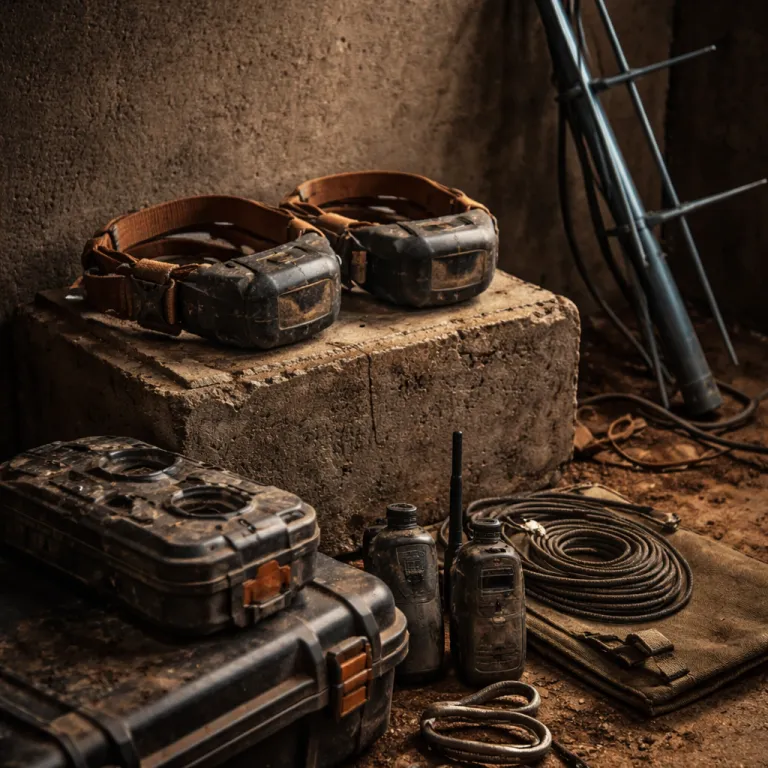
Behind the scenes of the Zimanga wild dogs reintroduction safari sits a dense layer of science and data. Each wild dog wears a GPS collar, feeding real-time location information into monitoring teams who track movements, hunting success and interactions with other wildlife across the reserve. Those data are analysed to refine management decisions, from where to reinforce fencing to how to minimise human–wildlife conflict on the boundaries of this private game landscape.
Managers talk about post-release phases rather than a single dramatic gate opening, because the first months define whether a wild dog pack settles or fragments. During this time, Wildlife ACT field staff and Zimanga Private Game Reserve rangers log every sighting, kill and den attempt, building a data-rich picture of how the African wild dogs use their new habitat. That information feeds into broader conservation strategies across South Africa, including wildlife corridors that link private game reserves with larger protected areas such as Hluhluwe–iMfolozi Park and other provincial reserves in the region. As Endangered Wildlife Trust carnivore conservation specialist Dr. Sipho Dlamini explains, “The Zimanga wild dog reintroduction in KwaZulu-Natal gives us hard evidence on how smaller, intensively managed reserves can contribute to national recovery plans.”
For guests, this science translates into unusually intimate game drives that follow fresh tracks rather than fixed routes, with guides reading GPS data before dawn to anticipate where the pack might be. You are not chasing a checklist but watching a rare African wild species test a new home, which is a very different proposition from a standard big game circuit. To understand how such efforts fit into wider conservation initiatives shaping the future of wild journeys, see our in-depth guide to safari wildlife adventures and our overview of conservation efforts shaping the future of wild journeys on our site.
Traveling to Zimanga: what this means for your safari
Reaching Zimanga Private Game Reserve is straightforward for a family safari, with road access from Durban through the rolling hills of KwaZulu-Natal into Mkuze. Once inside the protected area, you move through mixed woodland and open plains where the wild dogs share space with giraffe, rhino and a growing population of plains game. The reserve’s management uses tourism revenue from each safari to fund monitoring teams, GPS collars and veterinary interventions that support long-term conservation of this African wild dog population.
On a typical drive, you might start with a quiet hour following tracks, then suddenly find the pack trotting in formation, every dog alert to impala movement ahead. Children quickly grasp that they are watching a complex social unit, not just individual predators, and guides explain how genetic diversity is managed by swapping wild dogs between different South Africa reserves under the coordination of the Endangered Wildlife Trust and other conservation partners. Those same experts often remind guests that African wild dogs are endangered due to habitat loss, human–wildlife conflict and disease, and that each successful reintroduction strengthens the wider metapopulation.
Staying here also connects you to a wider conversation about life, death and the ethics of wildlife tourism, which we explore in our feature on the journey of animals after death and where animals go when they die. As more private game reserves across Africa step up as species recovery engines, Zimanga’s model of intensive monitoring, careful post-release support and transparent data sharing offers a template for African wildlife conservation beyond national park borders. For travelers, that means your time on safari can directly support population growth for one of the continent’s rarest species while still delivering the thrill of a genuinely wild encounter with a free-ranging wild dog pack in South Africa.