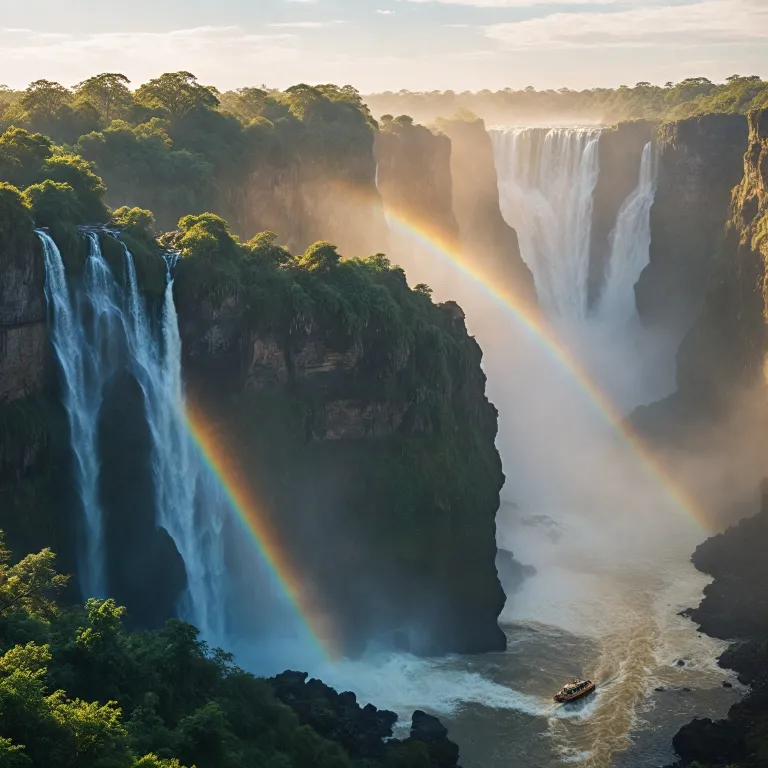
How seasons shape the best time to visit Victoria Falls
Understanding the rhythm of the Zambezi River is essential when you plan the best time to visit Victoria Falls. The falls change character with every season, and your preferred experience will determine the ideal time to visit. Around the town of Victoria Falls in Zimbabwe, the river’s pulse dictates everything from spray levels to safari conditions.
High water season usually runs from late summer into autumn, when the Zambezi River surges and Victoria Falls becomes a roaring curtain of water. During this period, water levels are at their peak, creating immense spray that can rise hundreds of meters above the falls. The views are dramatic, but the mist can obscure sections of the cataract and drench cameras in seconds.
As the dry season advances, the Zambezi’s water levels gradually recede and the character of the falls changes again. By the dry winter months, usually from June into August, visibility improves and individual rock formations beneath Victoria Falls emerge. This is often considered the best time for photographers who want clear views of the gorge and the full width of the falls.
The rainy season returns around the end of the calendar, replenishing upstream water sources that feed the Zambezi River. Storms over both the Zimbabwe and Zambian side of the basin recharge the system, preparing the falls for another high water cycle. Because Victoria Falls is accessible year round, the real question is not whether to visit, but which season will match your expectations.
High water drama versus low water clarity at Victoria Falls
When travellers ask about the best time to visit Victoria Falls, they often imagine the most powerful possible wall of water. That spectacle belongs to the high water period, when the Zambezi River is swollen and the falls thunder so loudly that normal conversation becomes difficult. During these months, the spray can create a permanent rainstorm over the rainforest in Victoria Falls National Park.
During high water, expect heavy mist and limited visibility; waterproof gear is recommended. This quote from the regional guidance captures the reality of the season and should shape how you plan your time to visit. Paths along the edge of Victoria Falls can be slippery, and the combination of spray and wind sometimes hides the base of the gorge entirely.
By contrast, the low water phase, which overlaps with the late dry season, offers a very different experience. Water levels drop, revealing the sculpted basalt beneath Victoria Falls and opening up more vantage points with unobstructed views. Many travellers consider this the best time for detailed sightseeing on both the Zimbabwe and Zambian side of the river.
Low water is also when adventure activities flourish, including white water rafting and seasonal access to the famous Devil Pool. For adventure activities like Devil's Pool and white-water rafting, visit during low water season (September to November). If you are combining your trip with other wilderness destinations, this period also aligns well with classic safari months and even some spring national park journeys elsewhere in the world.
Dry season, game viewing and safari combinations around the falls
For many visitors, the best time to visit Victoria Falls is tied to safari opportunities and game viewing rather than only water volume. The dry season, which includes the cool dry winter months, concentrates wildlife around remaining water sources. This makes the region’s national parks particularly rewarding, especially on the Zimbabwe side where Victoria Falls National Park and nearby reserves support diverse species.
Wildlife viewing is optimal during the dry season (June to October) when animals gather at water sources. This guidance reflects long term patterns along the Zambezi River and its tributaries, where elephants, buffalo and antelope converge on shrinking pools. During this time, the weather is generally mild, with clear skies and comfortable daytime temperatures for extended safari drives.
Combining Victoria Falls with a wider safari circuit is straightforward, especially if you include Kruger National Park or other southern African reserves. Many itineraries link the falls with Kruger National for a contrasting experience between riverine landscapes and savanna ecosystems. Some travellers also add time in Cape Town, creating a triangle of city, safari and waterfall within a single journey.
In these multi stop trips, the timing of your visit to Victoria Falls should complement the broader safari season. Dry winter months often provide the best balance between strong yet manageable water levels and excellent game viewing. For travellers who appreciate refined wilderness experiences, curated options similar in spirit to elegant mountain and wildlife itineraries can be mirrored here, with private guides, river cruises and tailored photography sessions.
Weather, spray and practical planning for your Victoria Falls visit
Weather patterns around Victoria Falls are central to choosing the best time for your trip. The region experiences a distinct rainy season, a pronounced dry season and transitional months that influence both water levels and comfort. Understanding these shifts helps you match your preferred experience with the right month and season.
The rainy season typically brings hot, humid conditions and frequent storms that recharge the Zambezi River and its upstream water sources. During this period, paths near the falls can be muddy, and the combination of rain and spray may limit views. However, the surrounding rainforest thrives, and the volume of water plunging over Victoria Falls begins to build towards its annual peak.
As the dry season sets in, humidity drops and the weather becomes more temperate, especially during the dry winter. Clear skies dominate, and the spray from Victoria Falls becomes more manageable, improving visibility from key viewpoints. This is often considered the best time to visit Victoria Falls for travellers who prioritise photography and comfortable walking conditions.
Practical packing should reflect both the season and your planned activities along the Zambezi River. Raincoats and waterproof covers are essential in high water months, while sunscreen, hats and light layers suit the dry season. If you intend to include white water rafting or extended safari drives in Victoria Falls National Park, quick drying clothing and a small daypack will make your time visit more comfortable.
Adventure activities, water levels and safety on the Zambezi River
Adventure seekers often define the best time to visit Victoria Falls by the availability of specific activities on the Zambezi River. White water rafting below the falls is highly sensitive to water levels, with operators adjusting routes and safety protocols as conditions change. During high water, some rapids may be closed, while low water can expose more technical sections of the river.
For adventure activities like Devil's Pool and white-water rafting, visit during low water season (September to November). This period, overlapping with the late dry season, usually offers the safest and most predictable conditions for these experiences. The reduced flow allows guides to access rocky ledges near the lip of Victoria Falls, including the famed Devil Pool on the Zambian side.
Helicopter flights, guided walks and river cruises operate in most months, but the feel of each experience shifts with the season. In high water, flights showcase the immense plume of spray rising from Victoria Falls and the full breadth of the gorge. In lower water, you gain clearer views into the chasm and can better appreciate the geology carved by the Zambezi River over time.
Safety should remain paramount whenever you plan a time visit focused on adventure. Choose reputable operators who work closely with the Zambezi River Authority and local national park teams to monitor conditions. For broader planning that balances cost, season and activity choices, resources on smart budgeting for safari and wildlife adventures can help you structure an itinerary that aligns with your preferred month and water conditions.
Multi destination journeys linking Victoria Falls, Cape Town and safari regions
Many travellers frame the best time to visit Victoria Falls within a larger southern African journey. A classic route links Victoria Falls with Cape Town and a major safari area such as Kruger National, creating a varied yet coherent itinerary. In this context, the season you choose must harmonise river conditions, city weather and game viewing patterns.
Cape Town experiences a different weather rhythm from Victoria Falls, with cooler, wetter months when the falls region may be in its dry season. Travellers often aim for a shoulder period that offers pleasant weather in both destinations and reliable wildlife sightings. This approach allows you to enjoy clear views of Victoria Falls, comfortable days in Cape Town and productive safari drives in Kruger National or nearby reserves.
When planning such a journey, consider how water levels at Victoria Falls will influence your priorities. If your main goal is dramatic water volume and intense spray, you may accept slightly less optimal game viewing in some parks. If, instead, you want exceptional wildlife encounters and clear photographic views of the falls, a dry winter month may represent the best time overall.
Logistics also matter, including flight connections between Victoria Falls, the Zambian side airports, Cape Town and regional safari hubs. Working with experienced operators who understand seasonal patterns across the Zambezi River basin and southern Africa can refine your time visit. Ultimately, aligning your chosen month with both river and wildlife seasons will ensure that Victoria Falls becomes the luminous centrepiece of a wider, carefully timed journey.
Key statistics and essential facts about Victoria Falls seasons
- The height of Victoria Falls is approximately 108 meters from lip to gorge.
- The width of Victoria Falls extends for about 1 708 meters across the basalt plateau.
- The average annual rainfall feeding the Zambezi River in this region is close to 950 millimetres.
- High water season typically spans from late summer into mid autumn along the Zambezi.
- Low water and prime adventure months usually fall between early spring and late spring.
- Dry season game viewing around Victoria Falls National Park is strongest from early winter into mid spring.
Common questions about the best time to visit Victoria Falls
What is the best time to visit Victoria Falls ?
The best time depends on your interests: for full water flow, visit between February and May; for adventure activities, September to November; for wildlife viewing, June to October. Travellers focused on photography often prefer the transition from high water to dry season, when spray lessens but the falls remain powerful. Those prioritising white water rafting and Devil Pool usually target the later low water months.
Is Victoria Falls accessible year round ?
Yes, Victoria Falls is accessible throughout the year, but experiences vary with the seasons. High water brings intense spray and dramatic power, while the dry season offers clearer views and better access to certain viewpoints. Because infrastructure on both the Zimbabwe and Zambian side is well developed, you can plan a time visit in any month, adjusting expectations to match the prevailing water levels and weather.
Are there any health precautions to consider when visiting Victoria Falls ?
It's advisable to take malaria prophylaxis, especially during the rainy season, and ensure vaccinations are up to date. Travellers should also stay hydrated in hot months, use sun protection during the dry season and follow safety guidance near the edge of the falls. When combining Victoria Falls with wider safari travel, consult a travel medicine specialist to align your precautions with the specific parks and regions you plan to visit.