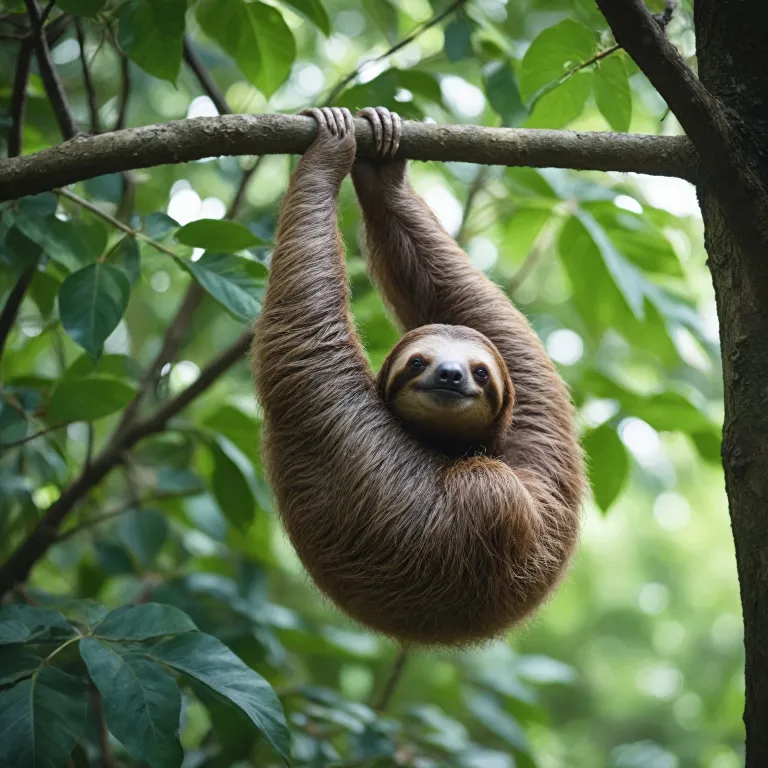
The sloth’s journey to becoming a national symbol of Costa Rica
The sloth, now recognized as the national animal of Costa Rica, holds a unique place among the country’s national symbols. This gentle animal, with its slow movements and serene demeanor, reflects the pura vida spirit that defines Costa Rican culture. The legislative process that led to the sloth’s designation as a national symbol was a significant moment for the country, uniting the Costa Rican Government, the Ministry of Environment and Energy (MINAE), and the Costa Rica Tourism Board. Their collaboration ensured that the sloth would not only represent the nation’s biodiversity but also serve as a rallying point for conservation efforts. The law, enacted after a unanimous vote, elevated the sloth alongside other cherished national symbols such as the guanacaste tree, the oxcart, and the blue morpho butterfly. The sloth’s new status as a national animal of Costa Rica is a testament to the country’s commitment to wildlife conservation and sustainable tourism. As a symbol, the sloth embodies the harmony between nature and national identity, making it a powerful ambassador for Costa Rica’s wildlife and conservation values. The sloth’s journey from forest dweller to national animal highlights the importance of protecting native animals and their habitats, ensuring that future generations can continue to experience the rich biodiversity that makes Costa Rica unique.
Wildlife diversity and the significance of national animals in Costa Rica
Costa Rica is renowned for its extraordinary wildlife, with national parks and protected areas covering over a quarter of its territory. The country’s national animals, including the sloth, white tailed deer, and the national bird, the clay-colored thrush, are celebrated as symbols of the nation’s rich natural heritage. The presence of two species of sloths—three toed and two toed sloths—further enriches the biodiversity found in Costa Rican forests. These animals are not only important for their ecological roles but also for their cultural significance as national symbols. The Ministry of Environment and Energy (MINAE) works tirelessly to protect these animals and their habitats, implementing conservation policies that safeguard the future of Costa Rica’s wildlife. National parks such as Manuel Antonio and Tortuguero offer visitors the chance to observe sloths costa and other national animals in their natural environments, fostering a deeper appreciation for the country’s unique fauna. The integration of wildlife conservation with national identity is a hallmark of Costa Rican policy, ensuring that animals like the sloth and the blue morpho butterfly are recognized as vital components of the nation’s legacy. For those interested in sustainable travel and wildlife adventures, exploring the national parks of Costa Rica offers an unparalleled opportunity to witness the country’s national symbols in action. For more insights on sustainable travel and wildlife observation, visit this guide to Costa Rican eco-tourism.
Conservation efforts and the role of national symbols in protecting sloths
The designation of the sloth as a national animal of Costa Rica has had a profound impact on conservation initiatives. The Ministry of Environment and Energy (MINAE) has intensified efforts to protect sloth habitats, working in partnership with environmental organizations and the tourism industry. Conservation laws and policies are designed to address the main threats facing sloths, including habitat loss, road accidents, and the illegal pet trade. The integration of the sloth into the country’s national symbols has raised public awareness and inspired new conservation campaigns. The Costa Rica Tourism Board actively promotes sloth observation as part of its eco-tourism strategy, encouraging visitors to respect wildlife guidelines and support certified tour operators. The sloth’s status as a national animal has also led to the development of educational programs that highlight the importance of biodiversity and the need to protect native animals. By linking national identity with wildlife conservation, Costa Rica sets a global example of how national symbols can drive positive environmental change. The sloth national symbol is now featured in media, merchandise, and educational materials, reinforcing its role as a guardian of the country’s natural heritage. For a comprehensive overview of conservation projects and their impact on sloth populations, explore this resource on wildlife protection in Costa Rica.
Experiencing sloths and other national animals in Costa Rica’s national parks
Visiting Costa Rica’s national parks is an immersive way to encounter the national animal and other wildlife. Parks such as Tortuguero, Corcovado, and Manuel Antonio are renowned for their rich biodiversity, offering opportunities to observe sloths costa, white tailed deer, and the national bird in their natural habitats. The country’s extensive network of protected areas ensures that visitors can experience the full spectrum of Costa Rican wildlife, from the elusive three toed sloth to the vibrant blue morpho butterfly. Certified eco-friendly tour operators provide guided experiences that prioritize animal welfare and habitat conservation. Tourists are encouraged to follow wildlife guidelines, maintaining a respectful distance and minimizing disturbance to animals. The Ministry of Environment and Energy (MINAE) collaborates with local communities to promote sustainable tourism practices, ensuring that national parks remain sanctuaries for both animals and visitors. The presence of national symbols such as the sloth and the guanacaste tree enhances the educational value of these experiences, deepening visitors’ connection to Costa Rica’s natural and cultural heritage. For those planning a wildlife adventure, the country’s commitment to conservation and its celebration of national animals make it a premier destination for eco-tourism.
The cultural and symbolic importance of the sloth in Costa Rican identity
The sloth’s elevation to national animal status reflects its deep cultural resonance in Costa Rica. As a national symbol, the sloth embodies the values of tranquility, resilience, and harmony with nature that are central to the Costa Rican way of life. The phrase pura vida, often used to describe the country’s relaxed and optimistic outlook, finds a fitting representation in the sloth’s unhurried movements and peaceful existence. The sloth national symbol is now woven into the fabric of Costa Rican identity, appearing in art, literature, and popular culture. The Ministry of Environment and Energy (MINAE) and the Costa Rica Tourism Board leverage the sloth’s popularity to promote conservation and sustainable tourism, reinforcing its status as a national icon. The integration of the sloth into the country’s national symbols has also inspired new educational initiatives, teaching children and adults alike about the importance of wildlife protection. The sloth’s role as a national animal of Costa Rica serves as a reminder of the country’s commitment to preserving its natural heritage and fostering a sense of pride in its unique biodiversity. The presence of other national symbols, such as the oxcart and the blue morpho, further enriches the cultural landscape, creating a tapestry of symbols that celebrate the nation’s history and environment.
Challenges and future directions for sloth conservation and national symbols
Despite significant progress, challenges remain in ensuring the long-term survival of sloths and other national animals in Costa Rica. Habitat loss, driven by deforestation and urban expansion, continues to threaten sloth populations and the ecosystems they inhabit. The Ministry of Environment and Energy (MINAE) is actively developing new strategies to address these threats, including habitat restoration projects and stricter enforcement of conservation laws. Public awareness campaigns, supported by the Costa Rica Tourism Board, emphasize the importance of protecting national symbols and their habitats. The integration of sloth conservation into national policy has set a precedent for the protection of other animals, such as the white tailed deer and the national bird. As eco-tourism grows, it is essential to balance visitor experiences with the needs of wildlife, ensuring that national parks remain safe havens for animals. The continued collaboration between government agencies, environmental organizations, and local communities will be crucial in safeguarding Costa Rica’s national animals for future generations. As one expert notes, "The sloth was chosen due to its iconic status, representing Costa Rica's rich biodiversity and commitment to environmental conservation." This recognition underscores the vital role that national symbols play in uniting conservation efforts and national pride.
Key statistics on national animals and conservation in Costa Rica
- Two sloth species are found in Costa Rica: the three toed sloth and the two toed sloth.
- Over 25.58% of Costa Rican territory is protected, supporting diverse wildlife and national animals.
Frequently asked questions about the national animal of Costa Rica
Why was the sloth chosen as a national symbol of Costa Rica?
The sloth was chosen due to its iconic status, representing Costa Rica's rich biodiversity and commitment to environmental conservation.
What are the main threats to sloth populations in Costa Rica?
Main threats include habitat loss due to deforestation, road accidents, and illegal pet trade.
How can tourists responsibly observe sloths in Costa Rica?
Tourists can responsibly observe sloths by visiting national parks, using certified eco-friendly tour operators, and adhering to wildlife guidelines to minimize disturbance.
References:
- Costa Rican Government: https://www.presidencia.go.cr/
- Ministry of Environment and Energy (MINAE): https://www.minae.go.cr/
- Costa Rica Tourism Board (ICT): https://www.visitcostarica.com/