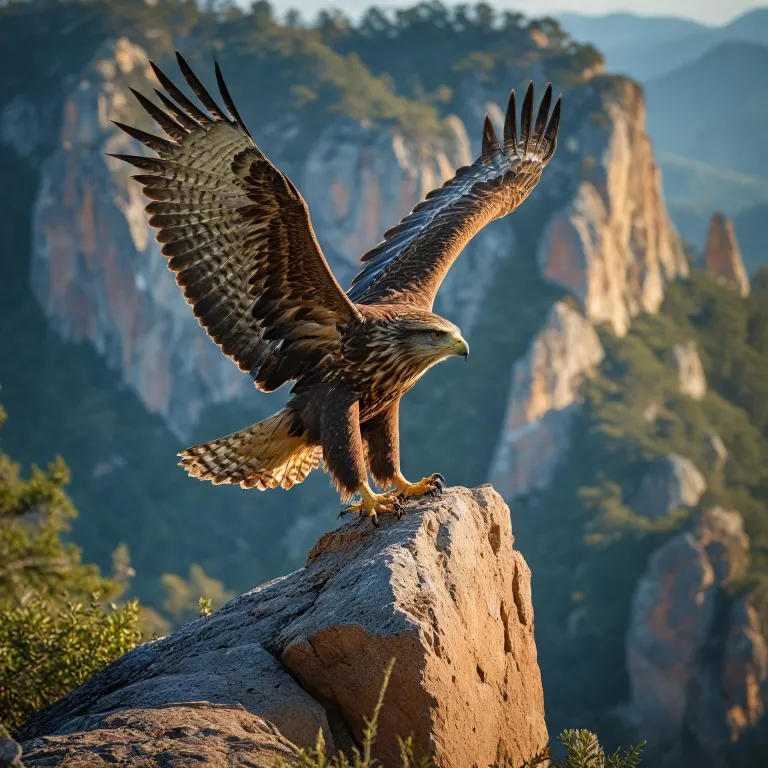
The diversity of California birds of prey: raptors across landscapes
California is home to an extraordinary variety of birds of prey, or raptors, which thrive in its diverse habitats. From the open grasslands of the Central Valley to the rugged mountains and coastal areas, these birds play a vital role in maintaining ecological balance. The state boasts more than 30 raptor species, including hawks, eagles, owls, and vultures. The red tailed hawk is perhaps the most commonly sighted, soaring above fields and highways, while the golden eagle commands attention in more remote regions. Raptors such as the northern spotted owl and the great horned owl are adapted to forested environments, where their presence signals a healthy ecosystem. In open areas, hawks and eagles hunt for prey, controlling populations of rodents and other small animals. The turkey vulture and turkey vultures, with their keen sense of smell, are essential for cleaning up carrion, reducing disease risks. Each species, from the red tailed hawk to the bald eagle, contributes uniquely to California's wildlife tapestry. The presence of these birds prey is not only a sign of biodiversity but also an indicator of environmental health. Raptors are sensitive to changes in their habitats, making them important subjects for ongoing research and conservation efforts. Their adaptability is evident as some species, like the cooper hawk and shouldered hawks, have expanded into urban and suburban areas, demonstrating resilience amid human development. Whether in the wild or near cities, California birds of prey remain a captivating subject for wildlife enthusiasts and researchers alike.
Key species: hawks, eagles, and owls in California’s wild
Among the most iconic California birds of prey are hawks, eagles, and owls, each with distinct characteristics and ecological roles. The red tailed hawk, easily identified by its brick-red tail, is a year round resident and a master of open country hunting. Its cousin, the hawk buteo, includes several species adapted to different terrains, from forests to grasslands. The golden eagle, revered for its strength and agility, prefers remote mountainous areas where it preys on mammals and occasionally fish. Bald eagles, once rare, have made a remarkable comeback in the state, now nesting near lakes and rivers where fish are abundant. The northern spotted owl, a species of concern, inhabits old-growth forests and is a focus of conservation due to habitat loss. Great horned owls, with their distinctive tufts and deep hoots, are formidable nocturnal hunters found across California. Spotted owls, both northern and California subspecies, are indicators of forest health and require large, undisturbed tracts for survival. In Orange County and other urbanized regions, cooper hawks and shouldered hawks have adapted to city parks and suburban gardens, preying on smaller birds and rodents. The diversity of hawks, eagles, and owls in California reflects the state’s varied landscapes and the adaptability of these raptors. For those interested in observing these magnificent birds, attending a hawk-watching event organized by the Golden Gate Raptor Observatory offers a unique opportunity to witness migration and learn from experts. For more on raptor migration and conservation, explore the Golden Gate Raptor Observatory website.
Habitats and migration: where to observe birds of prey in California
California’s vast geography provides a mosaic of habitats for birds of prey, from coastal cliffs to inland valleys. Open areas such as grasslands and agricultural fields are prime hunting grounds for red tailed hawks, golden eagles, and shouldered hawks. Forested regions, especially in the north, shelter northern spotted owls and great horned owls, while riparian zones attract bald eagles and other fish-eating raptors. The state’s national parks and reserves, including those in Orange County, are hotspots for raptor sightings. During migration seasons, large numbers of hawks and other raptors pass through key flyways, offering spectacular viewing opportunities. The Golden Gate Raptor Observatory monitors these migrations, providing valuable data on population trends and species health. Raptors can be seen year round in many areas, but autumn brings the highest diversity as birds move south from North America. Urban expansion has led some species, such as cooper hawks and shouldered hawks, to adapt to city environments, nesting in parks and green spaces. For those eager to observe California birds of prey in their natural habitats, visiting the California Raptor Center in Davis is highly recommended. The center offers educational tours and rehabilitation insights, making it an excellent resource for learning about raptor ecology. For a comprehensive guide to raptor watching locations, visit California Department of Fish and Wildlife.
Conservation efforts: protecting California’s raptors and their habitats
Conservation of California birds of prey is a collaborative effort involving government agencies, research organizations, and the public. The California Department of Fish and Wildlife oversees the protection and management of raptor species, enforcing legislation that safeguards habitats and regulates human activities. Conservation initiatives focus on preserving open areas, forests, and wetlands essential for raptor survival. Rehabilitation centers, such as the California Raptor Center, play a crucial role in caring for injured birds and reintroducing them into the wild. Public education is a cornerstone of these efforts, raising awareness about the importance of raptors in ecosystems. The Golden Gate Raptor Observatory conducts research and monitoring, tracking migration patterns and population health using advanced satellite technology. As a result, populations of previously endangered species, like the bald eagle and peregrine falcon, have increased, reflecting the success of these programs. Community involvement is encouraged through events, citizen science projects, and advocacy for habitat preservation. The expansion of raptor habitats into urban areas highlights the need for coexistence strategies and responsible development. By supporting local wildlife organizations and participating in educational activities, individuals can contribute to the ongoing protection of California’s birds prey. For more information on how to get involved, see the California Raptor Center website.
The role of raptors in California’s ecosystems
Raptors are integral to California’s ecosystems, serving as apex predators and indicators of environmental health. By controlling populations of rodents, fish, and other prey, birds of prey maintain balance and prevent overpopulation of certain species. The presence of red tailed hawks, golden eagles, and great horned owls in open and forested areas reflects the health of these habitats. Turkey vultures and turkey vultures perform essential scavenging functions, reducing the spread of disease by consuming carrion. The diversity of hawks, eagles, and owls in California ensures that various ecological niches are filled, from the open grasslands to dense forests. Raptors are sensitive to environmental changes, making them valuable subjects for scientific research and conservation monitoring. Their decline often signals broader ecological issues, prompting timely intervention and habitat restoration. The adaptability of some species, such as cooper hawks and shouldered hawks, demonstrates resilience but also underscores the importance of preserving natural habitats. Public engagement in raptor conservation, through bird-watching and educational programs, fosters a deeper appreciation for wildlife and supports ongoing efforts to protect these remarkable birds. The ongoing work of organizations like the California Department of Fish and Wildlife ensures that raptors continue to thrive across the state.
Engaging with California’s raptors: education, observation, and citizen science
Opportunities to engage with California birds of prey abound for residents and visitors alike. Educational programs offered by the California Raptor Center and the Golden Gate Raptor Observatory provide insights into raptor biology, conservation, and rehabilitation. Public hawk-watching events allow participants to observe migration and learn identification skills from experts. As stated in the expert dataset, "You can support raptor conservation by participating in local bird-watching events, donating to wildlife rehabilitation centers, and advocating for habitat preservation." Citizen science initiatives invite individuals to contribute data on raptor sightings, helping researchers monitor population trends and migration routes. Urban areas, including Orange County, have become accessible locations for observing hawks, owls, and eagles, making wildlife experiences available to a broader audience. Responsible observation, such as maintaining distance and avoiding disturbance, is essential for the well-being of these birds prey. Educational materials and online resources enhance public understanding of raptor ecology and the challenges faced by these species. By participating in conservation activities and supporting local organizations, individuals play a vital role in ensuring the future of California’s birds of prey. For those interested in deepening their involvement, volunteering at rehabilitation centers or joining citizen science projects offers meaningful ways to contribute.
Innovations in research and monitoring: technology and partnerships for raptor conservation
Advancements in technology have transformed the study and protection of California birds of prey. Satellite tracking devices now allow researchers to monitor migration, health, and habitat use with unprecedented accuracy. These tools provide critical data for managing raptor populations and identifying threats such as habitat loss or environmental toxins. Partnerships between government agencies, universities, and non-profit organizations have strengthened conservation efforts, combining expertise and resources. The California Raptor Center, Golden Gate Raptor Observatory, and California Department of Fish and Wildlife collaborate on research, rehabilitation, and public outreach. Legislative protections, including the California Endangered Species Act, ensure that all raptors are safeguarded under state law. Captive breeding and reintroduction programs have been instrumental in restoring populations of species like the bald eagle and peregrine falcon. Public engagement remains a key component, with educational initiatives fostering a culture of stewardship and appreciation for wildlife. The integration of scientific research, community involvement, and technological innovation positions California as a leader in raptor conservation. For a deeper dive into raptor research and monitoring, visit this comprehensive resource on raptor conservation.
Key statistics on California birds of prey
- Number of raptor species in California: 30 species
- California Condor population in the wild: 360 individuals
- Breeding pairs of Bald Eagles in central California: 30 pairs
Frequently asked questions about California birds of prey
What are some common birds of prey found in California?
Common raptors in California include the Red-tailed Hawk, American Kestrel, and Great Horned Owl.
How can I help in raptor conservation efforts?
You can support raptor conservation by participating in local bird-watching events, donating to wildlife rehabilitation centers, and advocating for habitat preservation.
Are there any laws protecting raptors in California?
Yes, all raptors are protected under state law, including the California Endangered Species Act and various sections of the Fish and Game Code.