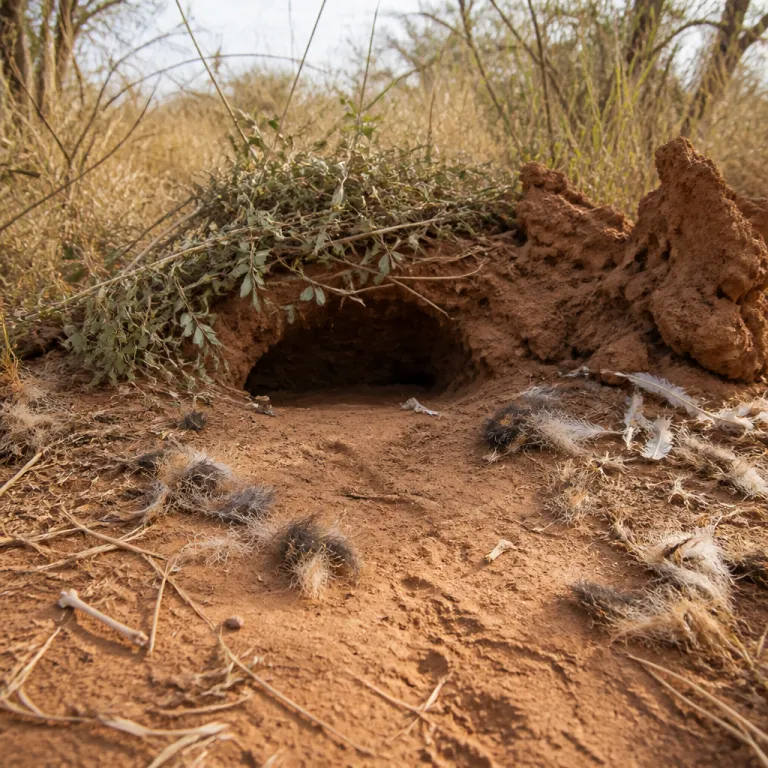
Why the July wild dog denning season changes everything
For most of the year, tracking a single african wild dog can mean following ghost tracks across 30 kilometres of dust. During the July wild dog denning season safari July, those same wild dogs anchor themselves to a den, turning a once in a lifetime sighting into a realistic goal for a focused safari in Africa. This is when an alpha female settles underground with her pups, and the rest of the pack or several related packs orbit the den in tight, predictable patterns.
Conservation data now estimates the global population of African wild dogs at roughly 6 600 individuals, which makes this painted predator Africa’s most endangered large carnivore. During denning season from June to August, the pack’s need to feed the pups concentrates their movements around a small radius, so game drives can work the same network of tracks each morning and evening rather than gambling on where the dogs might roam. As one field guide explains to guests who ask why July is so productive, “Why is July ideal for viewing wild dogs? Denning season; packs are stationary.”
For wildlife tourists, that shift from roaming to rooted behaviour is transformative, because a dog safari becomes about observing layered social dynamics rather than chasing a fleeting glimpse of painted dogs disappearing into mopane woodland. You watch the alpha female emerge cautiously, see subordinate dogs regurgitate meat for pups, and feel the tension build as the pack gathers before a hunt. It is still the wild, but in this narrow seasonal window the odds finally tilt in your favour for meaningful wild dog safaris.
The best places in southern Africa for denning season sightings
Choosing the best places for a July wild dog denning season safari July means focusing on a handful of national parks and game reserve areas where packs have established strongholds. In Zambia, South Luangwa National Park combines dense wildlife with a guiding culture that treats african wild dog sightings as part of a broader ecological story, not just a tick on a list. Here, walking safaris and carefully timed game drives work together, allowing families to spend unhurried time near a den while still returning to camp for relaxed afternoons beside the river.
Farther south, the greater Kruger region in South Africa, including several private game reserve concessions within the greater Kruger, offers some of the continent’s most consistent wild dog encounters. A well run camp in a Kruger National Park concession can track multiple packs, using radio calls between guides to ensure that families are not bounced around in search of dogs but positioned quietly as the painted dog hunters return to the den. For first time wildlife travellers planning essential safari journeys in Africa, this region balances reliable infrastructure with serious wildlife, making it a strong base for a focused dog safari.
Zimbabwe’s Hwange and Mana Pools, along with the Lower Zambezi across the river in Zambia, form another powerful cluster for wild dogs during denning season, especially for travellers who value varied habitats and intense wildlife densities. In Hwange National Park, the Painted Dog Conservation organisation operates near key pack territories, and some camps integrate visits to their rehabilitation centre into longer safaris. Across these landscapes, from dry teak forest to floodplain, the combination of experienced trackers, small camps, and protected park status gives July travellers some of the best odds anywhere in Africa.
Okavango, Botswana and beyond: how habitat shapes the experience
In Botswana, the Okavango Delta remains one of the most evocative settings for a wild dog denning season safari July, because the mosaic of islands and floodplains naturally funnels wildlife into defined corridors. Packs of painted dogs often den on slightly raised ground, so game drives can follow their movements along the edges of seasonal water without disturbing the den itself. A well located camp in the Okavango Delta will often have access to both dry land game drives and limited walking safaris, giving families a layered sense of how these predators use the delta’s shifting channels.
To the south and west of the main Okavango, drier concessions in Botswana offer a different rhythm, where wild dogs run long distances across open grassland and hunts can be followed at speed. Here, the wild feels raw, and the contrast between a quiet midday rest at camp and the explosive energy of a late afternoon hunt is stark. Travellers who have already experienced peak dry season in southern Africa, when waterholes concentrate wildlife, often find that adding a den focused dog safari in these areas deepens their understanding of predator prey dynamics.
Families with a strong interest in broader wildlife and even bird watching can also look beyond Africa’s savannahs to other ecosystems where predators anchor seasonal experiences. Our detailed guide to immersive marine adventures in the Coral Triangle shows how a carefully planned liveaboard can mirror the focus of a wild dog trip, with specific reefs playing the role of den sites. Thinking this way encourages travellers to see each national park, delta, or marine reserve as a living system, where the movements of one species, whether wild dogs or reef sharks, shape the entire safari.
Family appeal and conservation impact during denning season
For premium families travelling with children, the July wild dog denning season safari July offers some of the most engaging wildlife viewing anywhere in Africa, because pups at the den are endlessly watchable. Young travellers quickly grasp the structure of a pack, noticing how the alpha female receives deference while subordinate dogs jostle and play around the den entrance. Guides can use these moments to explain why wild dogs are generally not dangerous to humans, since they avoid direct contact and focus their energy on coordinated hunting.
Yet the conservation reality is stark, because African wild dogs remain endangered despite growing tourism interest and the expansion of protected national park and game reserve networks. Snaring, habitat fragmentation, and conflict with livestock farmers continue to pressure packs, which is why organisations such as Painted Dog Conservation in Hwange and similar initiatives in South Luangwa and the greater Kruger region deserve direct support. Travellers who ask how they can help are often advised very simply, “How can I support wild dog conservation? Donate to conservation organizations.”
When choosing a camp or safari operator, families should look for concrete commitments rather than vague promises about wildlife, such as funding for anti snaring patrols, collaring programmes that use tracking technology responsibly, and partnerships with local communities. Ask whether your stay contributes to monitoring specific wild dogs or packs, and whether children can visit research projects or rehabilitation centres in a respectful way. A thoughtful dog safari during denning season can then become more than a search for the best sightings ; it becomes a direct investment in the future of these painted predators and the wider wildlife landscapes they anchor.
FAQ
Why is July considered the best time to see wild dogs?
July falls in the heart of the denning period, when wild dogs stay close to their underground dens instead of roaming widely across the landscape. This makes sightings far more predictable, because guides can return to the same area on repeated game drives and often find the same pack. The dry season conditions also improve visibility, with shorter grass and animals concentrating near water.
Where are the most reliable places to see wild dogs in July?
Several southern African parks stand out for reliable July sightings, including South Luangwa in Zambia, Hwange and Mana Pools in Zimbabwe, and the greater Kruger region in South Africa. Parts of the Okavango Delta and surrounding concessions in Botswana also hold strong populations, especially where long term research projects monitor specific packs. Choosing a camp that works closely with conservation organisations in these areas further improves your chances.
Are African wild dogs dangerous to people on safari?
African wild dogs are highly efficient predators of antelope, but they generally avoid humans and do not see people in vehicles as prey. On a professionally guided safari, you observe them from a respectful distance, following strict park regulations and guide protocols. Incidents involving wild dogs and visitors are extremely rare compared with other large predators.
How far in advance should I book a July wild dog safari?
Because denning season is a narrow window and many camps have limited family rooms, it is wise to book at least nine to twelve months ahead for the most sought after areas. This is especially true for smaller camps in South Luangwa, the Okavango Delta, and private reserves in the greater Kruger. Early planning also allows you to secure experienced guides who specialise in tracking specific packs.
What should families consider when choosing a lodge for wild dog viewing?
Families should prioritise lodges that combine strong guiding with clear conservation commitments, such as support for anti snaring patrols or partnerships with organisations like Painted Dog Conservation. Check age limits for game drives and walking activities, and ask whether the camp offers flexible schedules to accommodate time at dens without rushing children. Finally, ensure that the lodge has a calm, wildlife focused atmosphere rather than a party scene, so the emphasis stays on meaningful time with the animals.