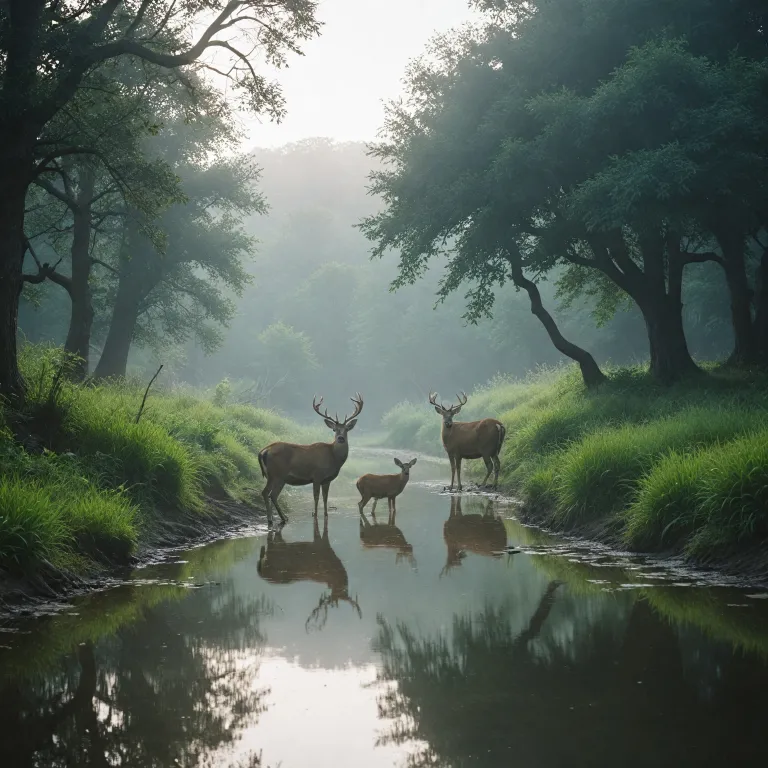
The natural cycle: what happens to animals when they die in the wild
When animals die in their natural habitats, a complex ecological process unfolds. The body of the animal becomes part of a cycle that sustains life on earth. Bacteria and fungi, known as decomposers, begin breaking down organic matter, releasing nutrients back into the environment. Insects such as blowflies and beetles arrive quickly, consuming soft tissues and accelerating decomposition. Larger scavenging animals, including vultures and coyotes, play a vital role by feeding on remains, ensuring that nothing is wasted. This intricate process highlights how animals, when they die, contribute to the ongoing balance of creation and life on earth. The presence of decomposer organisms and environmental factors like temperature and humidity influence how quickly animals will return to the soil. The stages of decomposition—fresh, bloat, active decay, advanced decay, and dry remains—demonstrate the interconnectedness of all beings. Through this process, animals' bodies nourish the earth, supporting plants and other animals, including humans. This cycle is a testament to god's plan for creation, where every animal, when it dies, continues to play a role in the ecosystem. The loss of a pet or wild animal can be emotional, but understanding this natural process can bring comfort, knowing that their life supports the broader web of life.
Spiritual perspectives: do animals have souls and is there an afterlife?
The question of where animals go when they die often leads to spiritual reflection. Many people wonder if animals have souls and if there is a place like heaven for them. The bible offers various interpretations, with some passages in genesis describing animals as part of god's creation, each with a unique role on earth. While the human soul is often distinguished from the animal soul, the idea that animals have souls is embraced by several cultures and faiths. The concept of animals heaven is comforting to those grieving the loss of a pet. According to a recent statistic, 73% of people believe in a pet afterlife, reflecting the deep bond between humans and animals. The question, "Do animals have an afterlife?" is answered differently across religions, but the belief that god cares for all beings, including animals, is widespread. Genesis animals are seen as integral to god's plan, and their souls, whether distinct from human beings or not, are valued. For many, the hope that animals will be reunited with their humans in heaven brings solace. The bible, while not explicit about animals heaven, suggests that all creation is part of god's will and care. For further exploration of spiritual perspectives on animals and the afterlife, visit this comprehensive guide on animal spirituality.
Cultural beliefs and rituals: honoring animals after death
Across the globe, cultures have developed unique ways to honor animals when they die. In some societies, rituals are performed to ensure the soul spirit of the animal finds peace. Indigenous communities often view animals as spiritual beings, with ceremonies that acknowledge their role in creation and life on earth. The loss of a pet is marked by memorials or symbolic gestures, reflecting the belief that animals souls deserve respect. In many traditions, animals will be remembered through storytelling, art, or dedicated spaces in nature. The genesis animals narrative influences how people perceive the relationship between humans and animals, emphasizing stewardship and gratitude. Some cultures believe that animals, when they die, transition to another realm, guided by god's plan. The idea that animals will join their humans in the afterlife is a source of comfort for many. Practices such as planting trees or creating wildlife sanctuaries in memory of animals earth their legacy. These rituals highlight the interconnectedness of all beings and the importance of honoring the life and death of animals. For those seeking to understand more about cultural practices related to animal death, explore this resource on global animal rituals.
The science of decomposition: stages and ecological significance
Scientific understanding of what happens when animals die has advanced significantly. Decomposition is a vital ecological process that recycles organic material and supports life on earth. The stages—fresh, bloat, active decay, advanced decay, and dry remains—each play a role in returning nutrients to the environment. Autolysis, or self-digestion, begins immediately after death, followed by putrefaction as bacteria produce gases and odors. Insects and scavenging animals, including animals like vultures and beetles, accelerate the breakdown of tissues. Environmental conditions such as temperature and humidity, as well as the presence of decomposers, determine how quickly animals will decompose. This process is essential for maintaining the balance of ecosystems, as it ensures that nothing is wasted. The innovation in forensic science and ecological studies has been driven by a deeper understanding of decomposition. As stated in the dataset, "The stages include Fresh, Bloat, Active Decay, Advanced Decay, and Dry Remains." This knowledge informs conservation efforts and helps us appreciate the role of animals, when they die, in sustaining life.
Emotional impact: coping with the loss of a pet or wild animal
The death of a pet or witnessing the passing of wild animals can be deeply emotional. Humans form strong bonds with animals, viewing them as companions and members of the family. The question of where animals go when they die is often intertwined with grief and the search for meaning. Many find comfort in the belief that animals souls continue on, whether in heaven or as part of god's plan for creation. Rituals, memorials, and support groups help individuals process the loss pet and honor the life of their animal. The bible and other spiritual texts offer guidance, suggesting that god cares for all beings, including animals. The idea that animals will be reunited with their humans in the afterlife is a source of hope for many. Understanding the natural process of decomposition and the role animals play in the ecosystem can also provide solace. The loss of a pet is a reminder of the interconnectedness of all life and the enduring impact animals have on human beings. For those seeking support, resources are available to help navigate the emotional journey of losing an animal companion.
Ethical considerations: human responsibility towards animals in life and death
Human beings have a profound responsibility towards animals, both in life and after death. The bible and genesis emphasize stewardship, urging humans to care for creation, including animals earth. Ethical considerations extend to how we treat animals when they die, ensuring their remains are handled with respect and dignity. The belief that animals have souls and are part of god's plan influences how societies approach animal welfare. Practices such as sustainable wildlife management, humane treatment of pets, and support for conservation efforts reflect this responsibility. The loss pet experience highlights the importance of compassion and empathy towards all beings. As stated in the dataset, "Do animals have an afterlife? Beliefs vary; some cultures and individuals believe in an animal afterlife, while others do not." This diversity of belief underscores the need for respectful dialogue and understanding. By honoring animals in death, humans affirm their role in creation and the interconnectedness of all life. Ethical stewardship ensures that animals, when they die, are remembered and valued as part of god's creation.
Key statistics on beliefs about animal afterlife
- 73% of people believe in a pet afterlife (Veterinary Practice News)
Frequently asked questions about where animals go when they die
What are the stages of animal decomposition?
The stages include Fresh, Bloat, Active Decay, Advanced Decay, and Dry Remains.
How long does it take for an animal to decompose?
Decomposition can take from a few weeks to several years, depending on environmental conditions and the size of the animal.
Do animals have an afterlife?
Beliefs vary; some cultures and individuals believe in an animal afterlife, while others do not.
References: Veterinary Practice News, Forensic Taphonomy Studies, Global Wildlife Conservation Reports.