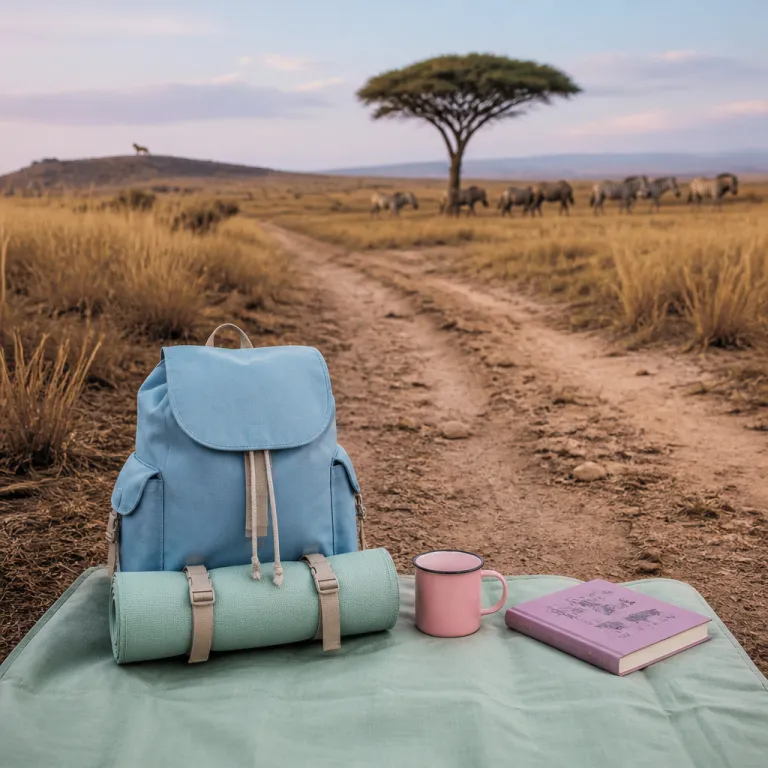
Why budget camping safaris offer the richest value in Africa
Budget camping safaris place you closer to wildlife than many high-end lodges ever will. By sleeping under canvas in a simple camping setup, you trade marble bathrooms for the raw soundtrack of an African night. This style of camping safari focuses every day on game viewing, shared experiences, and a realistic budget that still respects conservation needs.
Across East Africa and Southern Africa, specialist operators have refined budget camping so that each person benefits from professional guiding and safe logistics. In Tanzania, for example, group camping trips advertised by companies such as Summit Trekking and Safaris or Family Holiday Safaris typically use public campsites inside or near national parks to keep fees manageable, while overland providers like Gateway Africa follow a similar model on longer routes. Their camping safaris usually run between three and seven days, with an average duration of five days and around six people per group, which creates a sociable yet intimate atmosphere on game drives.
For many travellers, the best value lies in a Tanzania budget itinerary that combines several parks in one continuous camping safari. A classic example is a Tanzania safari route linking Tarangire National Park, Lake Manyara National Park, Serengeti National Park, and the Ngorongoro Crater in six or seven days. These budget camping safaris use the same 4x4 safari vehicles and expert guides as more expensive safari packages, but you sleep in tents and share facilities, which dramatically reduces the cost per day while preserving the essence of an authentic African safari. As one guide from Arusha put it, “You are paying for the wildlife and the guiding, not the tiles on the bathroom floor.”
Breaking down the real costs of a camping safari in Tanzania
Understanding the cost structure of budget camping safaris in Tanzania is the first step to planning wisely. Based on sample 2024 price lists from operators such as Summit Trekking and Safaris and Family Holiday Safaris, the average cost per day on a guided Tanzania camping itinerary is around 150 USD per person in a shared group, which usually includes transport, meals, tents, camping equipment, and mandatory park fees. These companies typically bundle transportation, meals, camping equipment, and park fees into one package price, so your main extra expenses are tips, drinks, and optional activities.
National park fees in Tanzania are a major part of any safari budget, especially in world-famous areas such as Serengeti National Park and the Ngorongoro Crater. As of 2024, conservation fees in many Tanzanian parks fall roughly in the 50–80 USD per person per day range, with separate camping fees when you stay at public campsites inside the parks, and current rates are published by the Tanzania National Parks Authority and the Ngorongoro Conservation Area Authority. When you compare safari packages, always ask for a clear breakdown of these fees, because a cheaper headline price can hide higher park costs or fewer days of actual game drives.
For travellers focused on safari Tanzania itineraries, a smart tactic is to balance high-fee areas with more affordable parks over several days. You might spend two days in the Serengeti plains, one day at Lake Manyara National Park, and one day exploring the rim of the Ngorongoro Crater to control your overall budget. To refine your numbers and align them with your travel style, use a detailed planning resource such as a current guide on essential budgeting tips for safari and wildlife adventures, then compare at least three camping safaris from reputable operators before you commit.
Choosing the best routes: Serengeti, Ngorongoro, and beyond
Route choice defines both the character and the cost of your budget camping safaris. In Tanzania, the classic Northern Circuit combines the Serengeti, the Ngorongoro Crater, Lake Manyara, and sometimes Tarangire National Park into a compact camping safari of five to seven days. This safari Tanzania route offers some of the best wildlife densities in East Africa, with lions, elephants, and large herds often seen on a single game drive.
Many travellers ask whether Serengeti–Ngorongoro combinations justify their higher park fees compared with lesser-known parks. The answer is yes if your priority is iconic African safari scenery and a high chance of dramatic game viewing, especially when you camp inside or near Serengeti National Park for several days. However, if your budget is tight, you can design Tanzania budget itineraries that focus more on Lake Manyara and Tarangire, where camping safaris still deliver excellent wildlife with slightly lower daily costs.
Beyond Tanzania, overland camping safaris with companies such as Gateway Africa link Tanzania, Kenya, Namibia, and South Africa into longer African safari expeditions. You might combine a Masai Mara safari in Kenya with a Serengeti segment in Tanzania, then later fly to Cape Town in South Africa for coastal scenery and urban culture. When you compare these multi-country safari packages, always request a detailed view itinerary that lists every park, every day of game drives, and all included fees, then cross-check those details with independent information such as recent analyses of the cost and experience of an elephant safari in Kanha National Park to understand how park economics shape your overall budget.
Daily life on a camping safari: what your budget really buys
Life on budget camping safaris is structured yet surprisingly relaxed once you understand the rhythm. A typical day on a Tanzania camping itinerary starts before sunrise, with a quick coffee before you climb into the 4x4 for the first game drive. Early morning in any national park is prime time for wildlife, and in places such as the Serengeti plains or the floor of the Ngorongoro Crater, predators often remain active while the air is still cool.
After several hours of game drives, you return to your camping area for a late breakfast or early lunch, then rest during the hottest hours of the day. In public campsites inside parks such as Lake Manyara National Park or near the rim of the Ngorongoro Crater, facilities are basic but functional, with shared ablutions and simple cooking shelters that keep the overall budget low. Guides from operators like Summit Trekking and Safaris or Family Holiday Safaris manage the camping logistics, so you can focus on the African safari experience rather than worrying about tents, stoves, or water supplies.
The second game drive usually departs in the late afternoon, when light softens and wildlife becomes active again across the plains of East Africa. Evenings on camping safaris are often the highlight, as you share stories around the fire, listen to distant lions, and review the day’s sightings with your guide. One solo traveller described her first night in the Serengeti as “the moment the bush felt real, when I realised the roars outside the tent were exactly why I had come.” If you want to balance this raw immersion with some restorative comfort later in your trip, consider ending your safari Tanzania journey with a stay at a property that specialises in combining game drives with genuine wellness and spa experiences, especially around areas such as Cape Town or the Kenyan coast.
Smart budgeting strategies for first time safari travellers
Careful planning allows you to enjoy budget camping safaris without unpleasant financial surprises. Start by fixing a realistic total budget per person, then work backwards to decide how many days of camping safari you can afford in Tanzania or elsewhere in East Africa. Remember that the average guided Tanzania camping trip costs about 150 USD per day in a group setting, so a five-day Tanzania safari will usually consume the largest share of your funds.
Once you know your ceiling, compare at least three safari packages from reputable operators such as Summit Trekking and Safaris, Family Holiday Safaris, and Gateway Africa. Ask each company for a written view itinerary that specifies every national park you will visit, the number of days in each park, and exactly which fees are included in the price. Pay special attention to park conservation fees, camping charges, and any supplements for the Ngorongoro Crater, because these can significantly change the real cost of apparently similar camping safaris.
There are several practical ways to stretch a tight Tanzania budget without compromising safety or wildlife viewing quality. Travelling outside peak holiday periods often reduces both park congestion and overall safari Tanzania prices, while joining a scheduled group camping safari spreads vehicle and guide costs across more people. You can also shorten your time in the most expensive parks, such as the Serengeti plains or the Ngorongoro Crater, and add extra days in more affordable parks or community conservancies that still offer excellent game drives and a genuine African safari atmosphere.
Essential packing and safety tips for camping safaris
Thoughtful packing is crucial for comfort and safety on budget camping safaris, especially when you move between several parks over many days. Pack light, with soft bags rather than hard suitcases, because safari vehicles in Tanzania and other parts of East Africa have limited storage. Focus on neutral-coloured clothing, a warm layer for cool nights in places such as the Ngorongoro Crater, and sturdy footwear suitable for walking around camp and during short guided activities.
Health and safety on a camping safari depend on both your preparation and your operator’s professionalism. Always bring insect repellent, personal medication, and a basic first aid kit, then follow your guide’s instructions carefully during game drives and around wildlife-rich campsites. Reputable companies such as Summit Trekking and Safaris, Family Holiday Safaris, and Gateway Africa operate within national park regulations, coordinate with park authorities, and maintain their vehicles and camping equipment to recognised standards.
Many first-time travellers worry about whether budget camping safaris are safe or whether they need prior camping experience. According to safety information published by established operators and regional tourism boards, budget camping safaris with licensed guides and proper equipment are considered safe for visitors who follow park rules, and no previous camping background is required because staff assist with all core camp tasks. As long as you choose licensed operators, respect park rules, and remain aware of your surroundings, you can enjoy the best aspects of an African safari while keeping your budget under control and your environmental impact as low as possible.
Key figures for planning budget camping safaris
- Average guided budget camping safari cost is about 150 USD per person per day in Tanzania, based on sample 2024 group rates from operators such as Summit Trekking and Safaris, which helps travellers estimate total expenses before booking.
- Typical camping safaris last around five days, according to itineraries published by Gateway Africa and similar companies, which balances travel time, park transfers, and sufficient game drives in multiple national parks.
- Group sizes average six people per tour with Family Holiday Safaris and comparable outfitters, a number that keeps costs down while still allowing everyone good window access during wildlife viewing.
- Budget camping safaris operate year-round across Tanzania, Kenya, and Namibia, but shifting seasons influence wildlife concentrations and road conditions, so timing affects both experience and price.
- Using public campsites instead of exclusive properties significantly reduces accommodation costs, which is a key innovation that makes safari Tanzania experiences accessible to more travellers.
FAQ about budget camping safaris
What is usually included in a budget camping safari price ?
Most guided budget camping safaris include transport in a 4x4 safari vehicle, a professional guide, shared tents and camping equipment, meals, and mandatory national park fees. In Tanzania, this typically covers conservation charges for parks such as Serengeti National Park, Lake Manyara National Park, and the Ngorongoro Crater, plus campsite costs. Extras usually include tips, drinks, visas, and optional activities such as cultural visits or balloon flights.
Are budget camping safaris safe for families and solo travellers ?
When you travel with licensed operators who work closely with national park authorities, budget camping safaris are considered safe for both families and solo travellers. Guides manage wildlife interactions, campsite security, and vehicle maintenance, while guests follow clear safety briefings. Choosing companies with established records in Tanzania, Kenya, Namibia, or South Africa further reduces risk.
Do I need previous camping experience to join a camping safari ?
Previous camping experience is not required for a camping safari, because guides and camp assistants handle most of the technical tasks. They pitch tents, manage cooking, and coordinate logistics, while you help with simple duties such as packing your bag and keeping the campsite tidy. This makes budget camping safaris accessible to travellers who are new to both camping and African safari travel.
How many days should I plan for a first time safari tanzania trip ?
For a first safari Tanzania journey focused on budget camping, five to seven days is an effective range. This allows you to visit at least two national parks, such as Serengeti National Park and the Ngorongoro Crater, without feeling rushed. Shorter trips can work if you focus on one park, but longer itineraries usually deliver better wildlife diversity and a more relaxed pace.
Which destinations offer the best value for budget camping safaris ?
The Northern Circuit of Tanzania, including Lake Manyara, the Serengeti plains, and the Ngorongoro Crater, offers exceptional wildlife and well-developed camping infrastructure. Kenya’s Masai Mara and parts of South Africa also provide strong value, especially when combined with overland routes operated by companies such as Gateway Africa. The best choice depends on your budget, preferred wildlife species, and how many days you can spend in East Africa or Southern Africa.