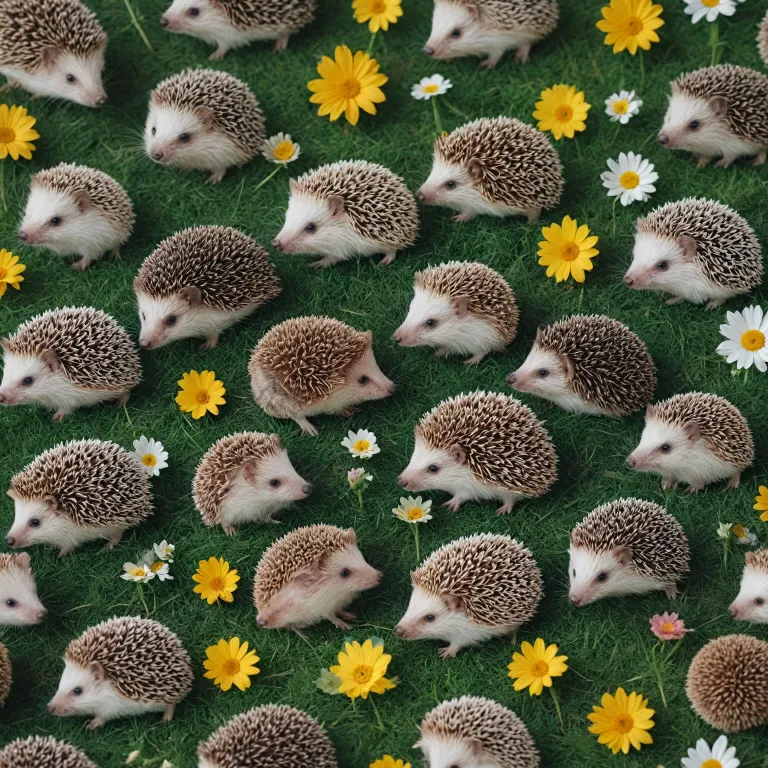
The diversity of hedgehog colors: genetics and natural variation
Hedgehog colors present a captivating array of patterns and shades, shaped by both genetics and environmental influences. The base color of a hedgehog, whether it is oak brown, grey, or pale orange, is determined by inherited genes that also influence the banding on their quills. The quill color can range from pure white quills to banded quills with dark tips, and even quills mixed with several hues. This diversity is not only visually striking but also significant for breeders and enthusiasts who track these variations for both conservation and pet hedgehog breeding purposes.
Among the most recognized hedgehog colors are white, black, brown, and grey, each with its own unique quill color and pattern. The presence of high pinto, reverse pinto, and banded quills adds further complexity to the spectrum. The mask, a distinctive facial marking, can be dark or pale, and is often accompanied by dark eyed or ruby red eye color. Ears and nose color, such as nose black or pale, also contribute to the overall coloring of the animal. These features are carefully documented by breeders and are essential for those maintaining a waiting list or managing an adoption application process for rare colorations.
Understanding the genetic mechanisms behind hedgehog colors is crucial for ethical breeding. According to the Environmental Literacy Council, “Hedgehogs exhibit a wide range of color variations due to genetic diversity and selective breeding. Understanding these variations is important for breeders, pet owners, and conservationists.” This knowledge helps ensure the health and well-being of the animals, as breeding for specific colors should never compromise their welfare.
Recognized color variations and rare patterns in hedgehogs
The International Hedgehog Association recognizes over 90 distinct hedgehog color variations, each with unique characteristics. Common colors include oak brown, grey, and white, but rare patterns such as leucistic (blonde) hedgehogs, which feature white or very pale quills with dark eyes, are highly sought after. The pinto pattern, characterized by irregular patches of color white on the animal’s body, is particularly popular among hedgehog enthusiasts. High pinto and reverse pinto refer to the extent and distribution of these patches, with high pinto showing more extensive white areas and reverse pinto displaying a predominance of the base color with limited white.
Banding on the quills, known as banded quills, creates a striking visual effect, especially when combined with quills mixed in color. The mask, which can be dark or pale, often enhances the animal’s facial expression and is a key identifier in many color classifications. Eye color, such as dark eyed or ruby red, and nose black or pale, further differentiate individual hedgehogs. These features are meticulously recorded by breeders, who often maintain a waiting list for specific colorations and require an adoption application for rare or unique animals.
For those interested in the genetics and breeding of hedgehogs, resources like the hedgehog color genetics guide provide in-depth information on how these traits are inherited. Breeders and hobbyists alike rely on such guides to ensure ethical practices and to support the conservation of natural color diversity within the species.
How quill color and banding define hedgehog appearance
Quill color is one of the most defining features of hedgehog colors, with variations ranging from quills white to banded quills and everything in between. The base color of the animal often sets the tone for the overall appearance, but it is the pattern and banding of the quills that create the most visual interest. Banded quills, for example, feature alternating light and dark segments, while quills mixed in color can display a mosaic of shades across the animal’s back.
White quills are particularly striking, especially when set against a dark base color or a mask. The pinto pattern, with its irregular patches of color white, can result in animals with quills white on some areas and darker banded quills elsewhere. This diversity is not only aesthetically pleasing but also important for breeders who manage a list adoption process to match prospective owners with their preferred pet hedgehog coloring.
For those seeking more information on the practical aspects of hedgehog care and coloration, the hedgehog care and color resource offers valuable insights. It covers topics such as the impact of environmental factors on quill color and the ethical considerations involved in breeding for specific patterns or shades.
Facial features: mask, eyes, ears, and nose in hedgehog color identification
Facial features play a crucial role in the identification and classification of hedgehog colors. The mask, which can be dark, pale, or even absent, is a key marker that often distinguishes one color variation from another. Eye color, such as dark eyed or ruby red, adds another layer of distinction, while the color of the ears and nose—ranging from nose black to pale—further refines the animal’s appearance.
These features are not only important for breeders but also for those interested in adopting a pet hedgehog. An adoption application may request preferences for specific facial characteristics, as these can influence the overall appeal of the animal. The combination of mask, eye color, and ear and nose coloring creates a unique profile for each hedgehog, making every animal distinct.
Hedgehog breeders and enthusiasts often maintain detailed records of these traits, especially when managing a waiting list for rare or in-demand colorations. The interplay between quill color, base color, and facial features is central to the classification of hedgehog colors and is a topic of ongoing interest within the community.
Ethical breeding and conservation of hedgehog color diversity
Ethical breeding practices are fundamental to maintaining the health and diversity of hedgehog colors. Breeders must prioritize the well-being of the animals over the pursuit of rare or unusual colorations. As stated in the dataset, “Breeding for specific traits, including rare colors, should be done responsibly and ethically, prioritizing the health and well-being of the animals over solely pursuing unusual colorations.” This principle guides responsible breeders and supports the long-term conservation of genetic diversity within the species.
Conservation efforts benefit from a thorough understanding of natural color variations, as this knowledge helps protect wild populations and informs ethical breeding programs. The adoption application process and waiting list management are tools used by breeders to ensure that animals are placed in suitable homes and that demand for rare colors does not lead to unethical practices. The Environmental Literacy Council emphasizes the importance of education and awareness in promoting responsible breeding and care.
By combining scientific research with practical insights from breeders and enthusiasts, the community can support both the conservation of natural color diversity and the ethical breeding of pet hedgehogs. This holistic approach ensures that the fascinating spectrum of hedgehog colors continues to thrive for future generations.
Adoption, waiting lists, and the role of enthusiasts in hedgehog color preservation
The process of adopting a hedgehog, especially one with a rare or unique color, often involves joining a waiting list and submitting an adoption application. Breeders and enthusiasts play a vital role in preserving the diversity of hedgehog colors by carefully matching animals with prospective owners who appreciate their unique characteristics. The list adoption process helps manage demand and ensures that each animal finds a suitable home.
Hedgehog enthusiasts contribute to the preservation of color diversity by sharing information, participating in online communities, and supporting ethical breeding practices. Their passion for the animals and their coloring fosters a culture of appreciation and respect for the species. The involvement of organizations such as the Environmental Literacy Council and hedgehog breeding associations further strengthens these efforts by providing education and resources to both breeders and pet owners.
As interest in hedgehog colors continues to grow, the community’s commitment to ethical practices and conservation remains essential. By valuing the unique features of each animal, from quill color to mask and eye color, enthusiasts and breeders alike help ensure the ongoing preservation of this remarkable diversity.
Key statistics on hedgehog color variations and breeding
- Number of recognized hedgehog color variations: 90 (International Hedgehog Association)
- Leucistic (blonde) hedgehogs are considered rare, characterized by reduced pigmentation resulting in white or very pale quills with dark eyes.
- Hedgehogs may change color variations as they mature; the best age to determine color is approximately one year.
Frequently asked questions about hedgehog colors
What is the rarest hedgehog color?
Leucistic (blonde) hedgehogs are considered rare, characterized by reduced pigmentation resulting in white or very pale quills with dark eyes.
Can hedgehogs change color as they age?
Yes, hedgehogs may change color variations as they mature and get older. The best age to determine color is approximately one year.
Is it ethical to breed hedgehogs for specific colors?
Breeding for specific traits, including rare colors, should be done responsibly and ethically, prioritizing the health and well-being of the animals over solely pursuing unusual colorations.