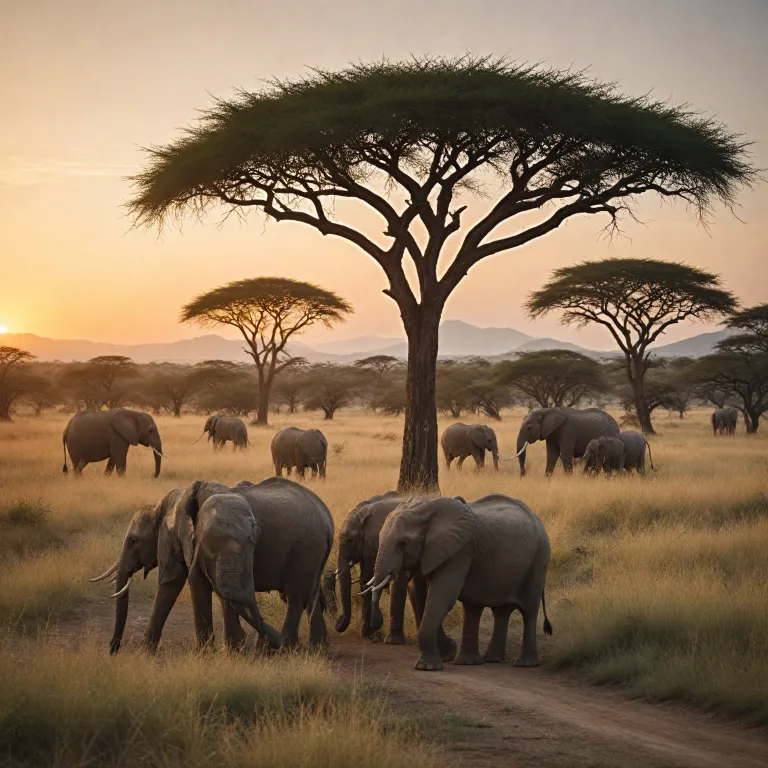
Understanding the essence of wildlife conservation safari tours
Wildlife conservation safari tours offer a transformative way to experience Africa’s most iconic animals and habitats. Unlike traditional safaris, these tours immerse each person in conservation efforts, blending adventure with education. Participants join guided tours led by expedition leaders who share deep expertise in wildlife, conservation, and the unique challenges facing animals and their habitats.
Travelers can expect to engage in hands-on conservation activities, such as monitoring animal populations, setting camera traps, or assisting with habitat restoration. These programs are often based in renowned safari parks and private conservancies, including Ol Pejeta Conservancy in Kenya and Shamwari Game Reserve in South Africa. The commitment to conservation is evident in every aspect of the experience, from sustainable travel practices to direct support for local communities.
Wildlife viewing remains central, but the focus extends to understanding the delicate balance within ecosystems. By participating in these safaris, guests contribute to ongoing conservation efforts and help fund vital programs. The adventure is suitable for all ages, with options for small group or private tours tailored to different interests and physical abilities. The result is a deeper connection to Africa’s wildlife and a lasting impact on conservation initiatives.
Key destinations for wildlife conservation safari tours in Africa
Several destinations stand out for their innovative approach to wildlife conservation safari tours. Ol Pejeta Conservancy in Kenya is a leader in black rhino protection, offering guided tours that highlight both wildlife viewing and conservation programs. The conservancy spans 360 square kilometers and is home to diverse animals, including elephants, lions, and endangered species. The Pejeta Conservancy also supports community-based initiatives, ensuring that conservation benefits local people.
In South Africa, Shamwari Game Reserve has transformed 250 square kilometers of former farmland into a thriving wildlife habitat. Its conservation safari programs allow guests to participate in animal monitoring, anti-poaching patrols, and educational workshops. Babanango Game Reserve, covering 20,000 hectares, is another example of rewilding success, where travelers can join small group safaris and witness the return of native species to restored habitats.
For those seeking a unique adventure, Natural Selections offers guided cycling safaris in Botswana’s Okavango Delta. This open air experience combines physical activity with wildlife viewing and conservation education. Each destination emphasizes the importance of sustainable travel and the role of each person in supporting conservation efforts. For more on responsible travel options, see our guide to eco-friendly safari experiences.
Immersive activities and conservation participation on safari tours
Wildlife conservation safari tours are designed to engage travelers in meaningful ways. Activities go beyond wildlife viewing to include participation in conservation programs, such as tracking animals, collecting data, and supporting habitat restoration. Expedition leaders provide expert guidance, ensuring that each activity contributes to the overall conservation mission.
Guests may join anti-poaching patrols, assist with elephant conservation projects, or take part in educational workshops on animal behavior and habitats. These experiences foster a sense of responsibility and commitment to conservation, as travelers witness firsthand the challenges and successes of protecting wildlife. The tours are suitable for all ages, with options for families, small groups, or private expeditions.
Many programs are based in national parks or private reserves, where collaboration with local communities enhances the impact of conservation efforts. The integration of sustainable practices, such as minimizing waste and supporting local economies, is central to each tour. For a deeper look at how these activities support conservation, explore our article on community-led wildlife initiatives.
The role of local communities and sustainable travel in conservation safaris
Local communities are essential partners in wildlife conservation safari tours. Their involvement ensures that conservation efforts are culturally sensitive and economically beneficial. Many safaris wildlife programs provide employment, training, and funding for community projects, creating a positive cycle of support for both people and animals.
Travelers are encouraged to respect local customs and participate in cultural exchanges, enriching the overall experience. Conservation safari operators often collaborate with Indigenous groups, such as the Samburu tribe at Reteti Elephant Sanctuary in Kenya, to develop programs that protect animals and support traditional ways of life. This approach strengthens the commitment to conservation and fosters long-term change.
Sustainable travel practices are integrated into every aspect of these tours, from eco-friendly accommodations to responsible wildlife viewing guidelines. The goal is to minimize environmental impact while maximizing benefits for local communities and conservation programs. For those interested in supporting these initiatives, it is important to research tour operators’ conservation credentials and choose experiences that align with ethical travel values.
Planning your wildlife conservation safari: practical advice and booking tips
Preparing for a wildlife conservation safari tour requires careful planning. It is essential to select a tour operator with a proven track record in conservation, such as those based in Africa’s leading parks and conservancies. Look for programs that offer guided tours, hands-on conservation activities, and opportunities to engage with local communities.
Physical preparation is important, as some activities may involve walking, cycling, or participating in fieldwork. Ensure that vaccinations and health precautions are up to date, and pack suitable clothing for open air adventures. Binoculars, reusable water bottles, and sun protection are recommended for wildlife viewing and outdoor activities.
Booking a wildlife safari or wildlife safaris experience can be tailored to individual preferences, whether for a private expedition or a small group adventure. Many operators offer flexible itineraries, allowing guests to choose the number of days, focus on specific animals or habitats, and participate in conservation programs that match their interests. Early booking is advised, especially for popular destinations such as Pejeta Conservancy or conservation safaris in South Africa. For more tips, consult our comprehensive guide to booking the ideal wildlife safari experience.
Impact and future of wildlife conservation safari tours
The impact of wildlife conservation safari tours extends far beyond the individual experience. By participating in these tours, travelers directly support conservation efforts, fund community projects, and contribute to the protection of animals and their habitats. The integration of conservation activities into safari programs has led to increased awareness and tangible change in regions such as Kenya and South Africa.
Innovation continues to shape the future of conservation safaris, with new methods for engaging travelers and supporting local economies. The rise of community-led initiatives and sustainable travel practices ensures that the benefits of wildlife safaris are shared widely. As demand for immersive, educational travel grows, these tours will play a vital role in safeguarding Africa’s natural heritage for future generations.
As one expert notes, “A wildlife conservation safari combines traditional wildlife viewing with active participation in conservation efforts, allowing travelers to contribute to the preservation of ecosystems and species.” This commitment to conservation is the foundation of every wildlife safari, inspiring travelers of all ages to become advocates for change.
Key statistics on wildlife conservation safari tours
- Number of black rhinos in Ol Pejeta Conservancy: 100 individuals
- Area of Shamwari Game Reserve: 250 km²
- Area of Babanango Game Reserve: 20,000 hectares
Frequently asked questions about wildlife conservation safari tours
What is a wildlife conservation safari?
A wildlife conservation safari combines traditional wildlife viewing with active participation in conservation efforts, allowing travelers to contribute to the preservation of ecosystems and species.
How can I participate in a conservation safari?
You can participate by choosing tour operators that offer conservation-focused safaris, such as Natural Selections in Botswana or Capture Africa Tours in South Africa and Zambia.
Are conservation safaris suitable for families?
Yes, many conservation safaris offer family-friendly activities and accommodations, providing educational and engaging experiences for all ages.