Why the guide matters more than the granite bathtub
Ask seasoned travellers how to choose safari guide Africa and they will talk about people, not pillow menus. A great guide in Africa turns a standard game drive into an African safari that feels intimate, textured and quietly life changing, while an average one can make even the most famous national park feel like a slow loop in a crowded vehicle. When you plan safaris for a premium family, the guide is the person who will hold your children’s attention, manage risk in wildlife encounters and decide when it is the best time to wait with engines off.
Across South and East Africa, the best guides read the bush as fluently as you read a city map. They notice broken grass, displaced dung beetles and layered alarm calls from different animals, then translate that into a calm decision about whether to follow a leopard or stay with a herd of elephants during a dry season afternoon. This is where the real value of planning safari time lies, because the guide will constantly weigh your comfort, the behaviour of wildlife and the ethics of each game drive.
Families often focus on the safari lodge, the pool and the distance from Cape Town or other hubs, but the person in the front seat shapes every memory. A thoughtful guide will adjust the pace of game drives for younger travellers, choose quieter game reserve tracks and know when a simple stop to watch giraffes drink is more powerful than chasing the Great Migration. When you compare options across South Africa, Kenya or Zambia, ask yourself whether you are choosing a room category or choosing the human being who will curate your entire safari experience.
Tracking skills, bird brains and the art of silence
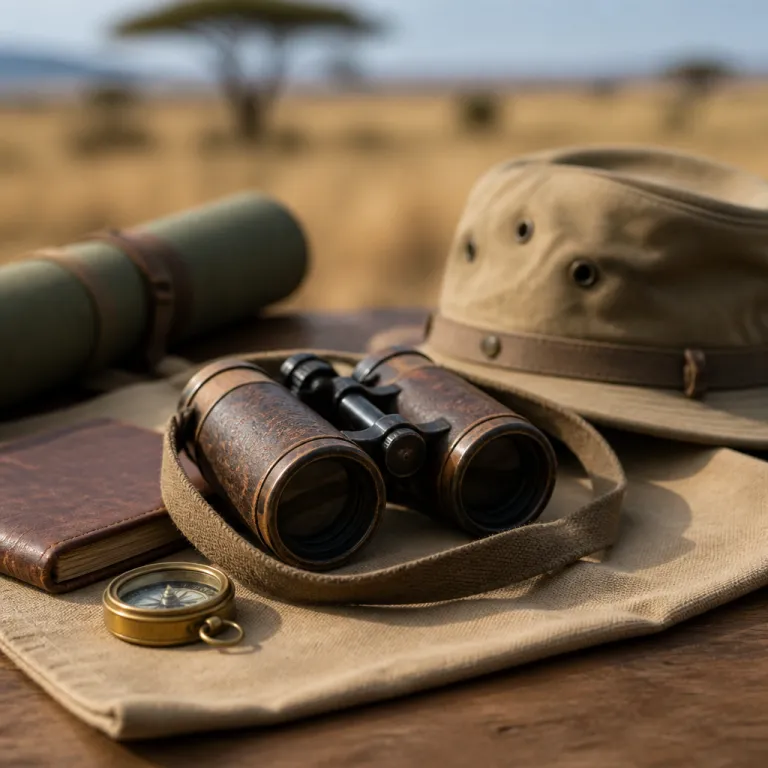
Understanding how to choose safari guide Africa starts with tracking, because this is the craft that separates a driver from a field naturalist. On a serious African safari in South Luangwa or a remote national reserve in East Africa, the best guides read tracks, wind and bird behaviour to anticipate where animals will move before any other vehicle arrives. They use tools such as binoculars and field guides, but the real expertise lies in pattern recognition built over thousands of hours on foot and on game drives.
Bird knowledge is another quiet marker of excellence that many travellers underestimate. A guide who can identify larks, hornbills and raptors by call is reading the entire wildlife system, not just scanning for lions during a single game drive, and that awareness keeps your family safer because birds often signal predators or disturbance. When a guide pauses a vehicle in the Masai Mara or in a smaller game reserve and listens to francolins, baboons and oxpeckers together, they are effectively running a live risk assessment while you enjoy the view.
Storytelling matters as much as science, especially for children on their first visit to a national park in Kenya or South Africa. The most memorable guides weave cultural history, conservation challenges and small details about individual animals into narratives that never feel like a lecture, then know when silence is the best commentary as a lioness stalks across a dry season plain. One veteran guide in South Luangwa describes how he once stopped a drive for twenty minutes just to watch a dung beetle roll its ball, turning a tiny insect into a story about migration, soil and survival that a ten year old guest still mentions years later. For deeper safety context before you travel, pair this human insight with structured advice from an essential safety strategies for an unforgettable African safari experience guide, so you arrive knowing what a professional guide should already be doing for your family.
Qualifications, guide shortages and what lodges rarely tell you
To judge how to choose safari guide Africa with confidence, you need to understand the qualification landscape behind the marketing language. In South Africa, professional guides usually hold nationally recognised certifications that cover ecology, vehicle handling, rifle competence for walking safaris and guest care, while in Kenya and other parts of East Africa, guiding standards are improving but can still vary widely between a national park and a private game reserve. This means two safari lodges in the same region may offer very different levels of expertise, even if their rates and room photos look similar.
Ask each property specific questions about its guiding équipe before you confirm any planning safari decisions. In South Africa, for example, many field guides train through bodies such as the Field Guides Association of Southern Africa (FGASA), which offers tiered qualifications from NQF2 (apprentice field guide) up to NQF4 and specialist trails guide levels, and in Kenya you can ask whether your guide is registered with the Kenya Professional Safari Guides Association, which uses a bronze, silver and gold rating system to benchmark skills and experience. Does the lodge employ resident guides year round, or rely on freelance staff who move between camps during peak season when the Great Migration reaches the Masai Mara and the Kenya–Mara ecosystem becomes crowded with vehicles? Can you request a particular guide by name for your family, and what is the typical guide to guest ratio on game drives during the best time to visit, such as the cooler dry season months in a national reserve or near Victoria Falls, where many conservancies limit vehicles at a sighting to protect both animals and guest experience.
The industry is facing a guide shortage as new camps open across Africa faster than experienced professionals can be trained. Some properties in South Luangwa, the Mara or near Cape Town respond by investing heavily in mentoring and retention, while others quietly accept less qualified staff who may still be learning basic wildlife behaviour and safety protocols. When you research any self drive safari in Kruger National Park what you need to know before you go, you will see how much responsibility shifts to you without a trained guide, which underlines why a fully qualified professional is non negotiable when you are travelling with children.
Specialist guides and matching the right person to your family
Another layer in how to choose safari guide Africa is understanding the rise of specialist guiding. Birding guides, photographic experts and walking trail leaders with rifle training now work across South Africa, Kenya and other parts of East Africa, and each brings a different lens to the same stretch of national park or game reserve. For a premium family, the best match might be a generalist who is comfortable with children, but you can still request a specialist for one focused game drive or a full day in the field.
Before you confirm any safari lodge or tented camps, ask how guides are allocated to guests and whether interests are considered. A family fascinated by elephants and migration corridors will benefit from someone who understands long distance wildlife movements and can speak about routes between the Masai Mara, the Serengeti and even further south towards the Zambezi and Victoria Falls, rather than a guide whose passion is only big cat sightings. If photography is central to your travel plans, request a guide who knows how to position the vehicle for light, who respects other vehicles at sightings and who is comfortable adjusting the pace of game drives for tripods and patient waiting.
Walking safaris require a different skill set again, especially in areas like South Luangwa or private conservancies bordering a national reserve in Kenya. Trail leaders must read wind, terrain and animal behaviour at close range, while keeping your family within safe distances and explaining every decision in calm, clear language. Many reputable operators insist that lead walking guides hold advanced rifle competency and several years of experience in that specific ecosystem. When a lodge can offer both a strong generalist guide and access to these specialists, your African safari gains layers of depth that no amount of room upgrade can match.
Choosing places for people, not just for park names
The final step in how to choose safari guide Africa is accepting that the best experiences are not always in the most famous locations. A lesser known game reserve in South Africa or a quiet corner of East Africa with an exceptional guiding team can deliver richer wildlife encounters than a marquee national park where too many vehicles crowd each sighting. For families, this often means calmer animals, more flexible game drives and guides who have time to answer every question your children ask.
When you evaluate where to travel, look beyond names like Masai Mara, Victoria Falls or Cape Town and study who is actually guiding there. Some of the most rewarding safaris happen in conservancies bordering the Mara or in private sections of a national reserve, where strict vehicle limits allow guides to work with more patience and respect for wildlife. These are also the places where long term relationships between guides, local communities and conservation organisations shape a more thoughtful African safari experience.
Think of your guide as the reason to return, not just a service attached to a room rate. If you find someone who reads the bush with humility, explains complex behaviour in simple language and remembers your family’s preferences from one season to the next, you have found the real luxury in Africa. One family who returned to the same Kenyan conservancy three years in a row did so not for the tented camp, but to spend time with the same guide who had first taught their children to track giraffe. For travellers interested in following animal movements over multiple safaris, itineraries built around migration corridors can help you plan the best time to visit different regions, and a resource on following the elephants with slow travel itineraries built around migration corridors shows how guides and routes together create journeys worth repeating.
Safety, family readiness and what a serious guide always does
Safety is the quiet thread running through every decision in how to choose safari guide Africa, especially when you travel with children. A serious professional will brief your family clearly before each game drive, position the vehicle with escape routes in mind and maintain respectful distances from animals even when other vehicles edge closer. They will also watch guest energy closely, suggesting a return to camp when younger travellers tire rather than stretching time in the field just to tick another species.
Look for guides who emphasise practical preparation as part of the experience, not as an afterthought. They will remind you to wear neutral coloured clothing, bring insect repellent and stay hydrated, then quietly check that everyone has hats, sunscreen and layers before leaving the safari lodge for early morning or late afternoon game drives. When asked common questions such as “What should I pack for a safari?” or “Is it safe to go on a safari?”, a confident guide will answer with specifics rather than vague reassurances, and may add that “Light clothing, hat, sunscreen, binoculars, camera.” and “Yes, with experienced guides and following safety protocols.”
Families should also ask about emergency procedures and communication systems in each national park or game reserve they plan to visit. The best camps in South Africa, Kenya and other parts of Africa work closely with local communities and conservation partners, using technology such as radios and GPS to coordinate responses when wildlife or weather changes plans. Many national parks publish basic safety guidance for visitors, and a good guide will be able to explain how those rules translate into daily practice. When a guide can explain these systems calmly around the evening campfire, your children learn that a safari is not just about seeing animals, but about respecting the ecosystems and people who protect them.
FAQ
How long should a first family safari last ?
For a first African safari with children, plan at least five to seven nights split between one major national park or game reserve and a quieter area. This gives enough time for everyone to adjust to early game drives, rest at camp and enjoy varied wildlife without rushing. Shorter trips can feel like a checklist, while longer stays allow guides to tailor each day to your family’s energy.
What is the best time of year to visit Africa for wildlife ?
The best time to visit many regions in South Africa and East Africa is during the cooler dry season, when vegetation is lower and animals concentrate around water. In the Masai Mara, the Great Migration usually passes through during the middle of the year, while parks like South Luangwa peak later as rivers shrink. Always ask lodges about the specific best time to visit their area, because seasons vary between ecosystems.
Is it safe to go on a safari with children ?
Safaris are safe for families when you travel with experienced guides, follow camp rules and choose properties with strong safety records. Reputable camps use trained staff, well maintained vehicles and clear protocols for wildlife encounters, especially on walking safaris. If you have concerns, ask detailed questions about guide training, emergency plans and how children are managed on game drives.
What should I pack for a safari in Africa ?
Pack light, neutral coloured clothing, a wide brimmed hat, sunscreen, insect repellent and a good pair of binoculars for each adult. Cameras with spare batteries, a small daypack and a warm layer for early morning drives are also essential. Many camps provide toiletries and even binoculars, but having your own kit makes you more independent and comfortable.
How do I know if a guide is well qualified ?
Ask lodges about formal guiding qualifications, years of experience in that specific national park or game reserve and whether guides receive ongoing training. Strong operations are transparent about certifications, guide to guest ratios and how they match guides to guest interests. Reading independent reviews that mention guides by name can also help you identify professionals who consistently deliver exceptional experiences.