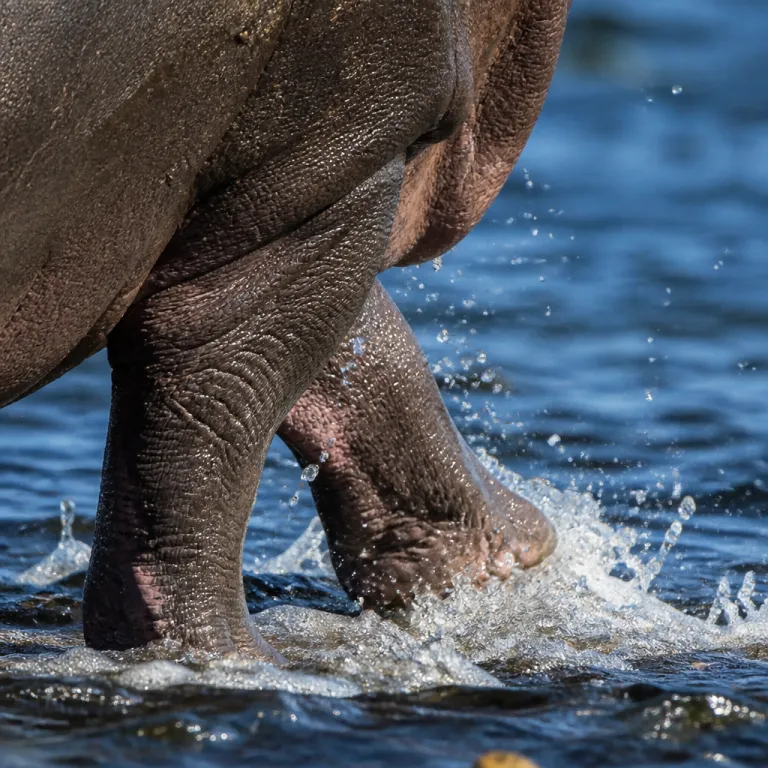
The walking safari Africa guide experience: how the bush feels on foot
Step down from the vehicle and the scale of a walking safari in Africa shifts immediately. Your on-foot safari becomes about dust under your boots, the weight of the air, and the quiet authority of the guide walking ahead. On a guided bush walk, every sound in the bush feels amplified and every scent from the grassland or riverine woodland tells a story.
Professional guides and armed rangers lead these walking safaris as tightly choreographed bush walks, not casual strolls. Across operators such as Robin Pope Safaris and Remote Africa Safaris in Zambia, the average walking distance per safari is around five kilometres, usually split between cool morning walks and shorter afternoon sessions, which keeps the safari experience focused and safe rather than punishing. Camps and lodges design each walk so that the pace, terrain, and wildlife encounters match the group’s fitness and comfort level, while still feeling like a genuine immersion in big game country.
On a vehicle safari you scan the horizon for wildlife and big game, but on a walking safari you read the ground at your feet. Your guide stops at a fresh lion track, explains the age of the spoor, then points out where the sand has been scuffed by a dragging paw during the night walk of a male. This level of detail is the essence of a serious on-foot safari with an expert guide, and it is why experienced guides in Zambia, Zimbabwe, and South Africa train for years under systems such as the South African FGASA or Zimbabwe Professional Guides licence before leading guests through a national park or private game reserve on foot.
Where to walk: Africa’s best terrain for serious bush time
South Luangwa in Zambia remains the reference point for walking safaris, and for good reason. This national park pioneered commercial walking in Africa under Norman Carr in the 1950s, and today camps such as Chikoko and Crocodile still structure their entire safari experience around multi day walks between simple bush camp clearings. The terrain mixes oxbow lagoons, open plains, and mopane woodland, giving walking guides a constantly changing backdrop for tracking game on foot.
Mana Pools in Zimbabwe offers a different kind of guided walking experience, defined by albida forests, the Zambezi River, and elephants that often feed at eye level. Here, walking safaris and bush walks might mean edging to within thirty metres of a bull elephant while your guide watches the wind and body language, or following wild dog tracks from the sandbanks into the Jesse bush. Hwange and Kafue add open savanna and seasonal pans to the mix, making them some of the best walking destinations for travellers who want varied landscapes and reliable big game sightings during the long dry season from about June to October.
Further east, Nyerere National Park and Ruaha National Park in Tanzania are building a reputation for the best walking safaris that reduce vehicle time and deepen your connection to the bush. Some operators here, including long-running tented trail outfits, run three or four day routes between a light tented camp network, with walking distances tailored to moderate fitness in 35 degree heat. If you are already planning a classic game drive trip to the Mara or another national park for a great migration style spectacle, use this practical guide to river crossings as a counterpoint and then add at least three nights on foot in one of these quieter game reserves.
The guide factor: why experience and training matter more on foot
In a vehicle, a good guide can sometimes hide behind the engine and the radio, but on a walking safari the guide’s skill is your primary safety net. The best walking guides in Zambia, Zimbabwe, and South Africa combine years of tracking practice, deep botany knowledge, and rigorous firearm training before they ever lead guests into a national park on foot. Their job is not only to find wildlife and big game, but to read the wind, anticipate animal behaviour, and manage your fear when the bush suddenly feels very close.
Experienced guides will talk you through every move, from how to walk in single file to where to stand if a bull elephant steps out of the riverine bush. They decide when to approach a sighting, when to back away, and when to use a termite mound or fallen log as cover, turning each walk into a lesson in animal psychology and terrain. On a serious guided walking safari, you will hear them repeat simple rules such as “Wear comfortable clothing”, “Stay hydrated”, and “Follow guide instructions”, because these basics keep your attention free for the details that matter.
Professional guides and armed rangers are supported by local communities and conservation organisations that manage the wider game reserve or national parks system. This partnership keeps walking safaris sustainable, from limiting the number of people on each trail to choosing tented camp locations that minimise impact on wildlife corridors. If you are new to safaris in Africa, it is worth reading an overview of essential safari journeys for first time wildlife travellers before committing to a multi day walking itinerary, then using that foundation to choose the level of intensity and remoteness that suits you.
Fear, fitness, and the reality of big game on foot
Standing on foot thirty metres from an elephant or buffalo is the moment when every guided bush walk becomes personal. Your pulse spikes, the bush goes quiet, and you suddenly understand why guides talk about vulnerability as a vital part of walking safaris. The vehicle’s metal shell is gone, replaced by a calm voice at your shoulder and a clear set of instructions about where to look and how to breathe.
Guides manage this fear through distance, wind, and constant communication, keeping you close enough for a meaningful safari experience but far enough that the animal never feels pressured. They will position the group so that there is always a clear retreat route, often using a tree line, anthill, or dry riverbed as a natural barrier between you and the big game. When guests ask “Are walking safaris safe?”, the honest answer is the one from the field: “Yes, when led by trained professionals.”
Fitness on a walking safari is less about speed and more about coping with heat, uneven ground, and two to four hours of steady walking. Operators describe the requirement as moderate fitness, but in 35 degree heat over broken terrain that means being comfortable with five kilometres of slow, attentive movement while carrying water and binoculars. Age minimums usually sit between twelve and sixteen years depending on the camp and country, with many South Luangwa and Mana Pools operators clearly stating these limits in their booking conditions, and if you are unsure about your own capacity, start with shorter bush walks from a tented camp in a game reserve before committing to multi day trails in South Luangwa or Mana Pools during the hottest part of the dry season.
Designing your own best walking safari itinerary
Planning a walking safari Africa guide experience starts with choosing the right region, then matching it to your appetite for remoteness and comfort. For a first serious walk, South Luangwa and Mana Pools offer some of the best walking combinations of wildlife density, experienced guides, and well placed bush camp networks. Safaris in Zambia often pair a few nights in a vehicle focused camp with several days in a more remote walking camp, giving you both perspectives on the same national park.
If you prefer a mix of habitats and fewer people, look at Ruaha National Park, Nyerere National Park, or a private game reserve in South Africa that specialises in bush walks with small groups. These areas offer strong big game viewing, but the emphasis is on the slower safari experience of tracking, birding, and learning plants rather than chasing a Big Five checklist. In all cases, the best time for walking safaris is the dry season, when grass is shorter, visibility is better, and wildlife concentrates around remaining water sources.
Finally, think about how walking safaris fit into your wider travel pattern across Africa and beyond. Many solo travellers now combine a week of safaris in Zambia or Zimbabwe with a marine focused trip, using resources such as this immersive marine adventure guide to balance bush time with coral reef exploration. Whether you choose a lightweight tented camp trail or a more comfortable base with daily bush walks, the key is to prioritise experienced walking guides and a conservation model that values the animal encounter over the sundowner setup.
FAQ
Are walking safaris safe for first time visitors to Africa ?
Yes, when you walk with accredited guides and armed rangers who are trained specifically for on foot encounters with wildlife. Look for small group sizes, clear age limits, and a full safety briefing before every walk, and avoid operators who approach big game too closely or ignore wind and escape routes. Choose a reputable camp or tented camp in a recognised national park or game reserve, then follow every guide instruction without exception.
What should I bring on a walking safari in a national park ?
Pack broken in walking shoes, neutral coloured clothing, a wide brimmed hat, and at least one litre of water in a small daypack for a typical two to four hour walk. Binoculars are essential for appreciating wildlife at a safe distance, and many guests also carry a lightweight walking stick for uneven ground. Camps usually provide snacks and sometimes extra water, but you remain responsible for sun protection and any personal medication during the safari.
How long does each walking safari session usually last ?
Most guided bush walks run between two and four hours, with the average walking distance per safari around five kilometres at a steady, observant pace. Morning walks typically start at first light to take advantage of cooler temperatures and more active wildlife, while shorter afternoon walks may focus on tracking and smaller details such as plants and insects. Multi day trails in areas like South Luangwa, Ruaha National Park, or Mana Pools link several camps, but the daily walking time still stays within this manageable window for guests with moderate fitness.
When is the best time of year for walking safaris in Africa ?
The best time for walking safaris across most African national parks is the dry season, when vegetation is thinner, wildlife concentrates around water, and visibility on foot improves dramatically. In Zambia, Zimbabwe, and many parts of South Africa and Tanzania, this usually means the cooler months from about June to October when daytime temperatures are warm but not oppressive. Walking in the wet season is possible in some regions, but trails can be muddy, grass is higher, and big game is more dispersed, which reduces both safety and sighting quality.
Do I need special fitness training before a walking safari Africa guide experience ?
You do not need to be an athlete, but you should be comfortable walking five kilometres on uneven ground in warm conditions while carrying a small pack. Regular brisk walking at home, ideally in similar shoes to those you will use on safari, is usually enough preparation for most national park based walks. If you plan a more demanding multi day trail in remote bush areas, discuss your fitness honestly with the operator so they can match you to the right itinerary and walking guides.