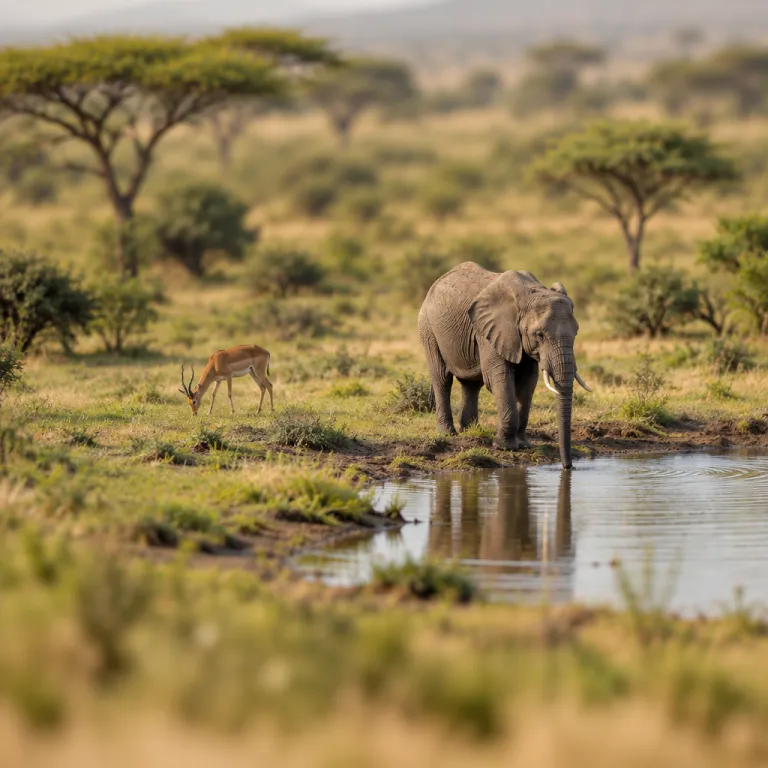
Why November reshapes the value of an African safari
November is the quiet hinge between the dry season and the first serious rain across much of Africa. For families weighing a November safari in Africa, much of the green season value comes from this in-between time, when peak season crowds have gone yet wildlife patterns remain reliably concentrated. The result is a seasonal sweet spot where rates soften, sightings stay strong, and the bush feels almost private.
Across southern Africa, November marks early summer and the last stretch of truly dry conditions before the main rain arrives. In Botswana, the Okavango Delta begins to shift from its flood peak towards a more classic green season, while further south in South Africa many private reserves bordering Kruger National Park see newborn wildlife appearing in the fresh season green. For premium family travellers, this is often the best time to secure larger family tents or interleading rooms in high quality camps without paying peak season premiums, especially in the first three weeks of the month.
East Africa tells a different November story, shaped by the short rains that wash dust from the plains. In northern Tanzania and the southern Serengeti, the great herds start edging towards their calving season grounds, while Kenya’s Masai Mara transitions from the dry season into a softer, greener palette. A well planned African safari at this time can thread both regions, using lower November pricing to combine east Africa’s drama with southern Africa’s calmer, year round wildlife viewing, particularly for families who can travel between roughly 5 and 25 November.
East Africa in November: short rains, green light, and shifting herds
In east Africa, November is defined by the short rains that usually fall in bursts rather than day long downpours. According to regional climate summaries from the Kenya Meteorological Department and the Tanzania Meteorological Authority, many key safari areas receive roughly 50–120 mm of rain across the month, often in late afternoon storms rather than continuous rain. These showers turn the Serengeti and Masai Mara from dust toned to green within days, creating a classic green season look that photographers quietly rate as the best of the year. For families planning a November safari in Africa, the value here lies in softer light, fewer vehicles, and a more relaxed pace around sightings.
The southern Serengeti and the Ndutu area begin to receive the first serious grazing herds as wildebeest move towards their calving season range. While the most intense calving usually happens from late January into February, November safaris often catch the build up, with predators shadowing the herds and migratory birds arriving in bright breeding plumage. Kenya’s Masai Mara, by contrast, is easing out of its peak season, yet resident wildlife remains strong and camps often offer generous shoulder season rates for families, particularly from early to mid November when demand is lower.
Rain in this period tends to be localised, so a well structured itinerary can pivot between areas if showers linger. Travellers who are flexible on exact timing within November can often secure upgrades or private vehicles, especially when they book smaller camps that welcome children and understand premium family needs. For those curious about how different ecosystems handle seasonality, our analysis of nocturnal wildlife behaviour on night drives and nocturnal safaris offers useful context on how rain, moon phase, and temperature shape animal activity.
Southern Africa in November: dry heat, big skies, and quiet value
Southern Africa in November feels very different, with heat building and the land holding its breath before the main rain. In Botswana, many travellers still focus on the Okavango Delta, yet this is also the time when the Kalahari and Makgadikgadi Pans begin to shine as green season destinations. For families seeking November safari value in Africa’s southern regions, these landscapes offer a compelling mix of cost savings and unusual wildlife behaviour, especially towards late November when the first storms can trigger dramatic grazing migrations.
Game in South Africa’s private reserves and in parks such as Kruger National Park remains highly visible as the dry season lingers and water sources shrink. Elephant, buffalo, and plains wildlife concentrate around remaining pans, while predators use the thinning cover to their advantage before the bush thickens with new green growth. Zambia’s Liuwa Plain, though more remote, comes into its own as a season safari outlier, with vast open spaces, migratory birds, and a sense of solitude that is hard to replicate in peak season.
November also marks a transitional period for Victoria Falls, where water levels can be lower than during the main flood yet spray is still impressive from the Zimbabwe and Zambia sides. Families combining Botswana, the Okavango Delta, and Victoria Falls in one itinerary often find November pricing significantly below peak season, especially for multi room camps. Industry rate surveys from leading safari operators and booking platforms consistently show average November reductions of around thirty to fifty percent compared with the most expensive months. Those drawn to more elemental landscapes should look closely at Kalahari itineraries, and our detailed review of Kalahari lion tracking shows how this dry season stronghold begins to soften into a subtle green season by late November.
Planning, pricing, and packing for a November green season safari
From a budgeting perspective, November sits between peak season and the heavier rains that can affect access in some areas. Many camps across Kenya, Tanzania, Botswana, and South Africa reduce rates by roughly thirty to fifty percent compared with the most expensive months, especially for family units and longer stays. Internal pricing data from major safari specialists and annual reports from trade bodies such as the African Travel and Tourism Association broadly support this shoulder season range. For a premium family, that November safari in Africa can free up budget for a private guide, a second national park, or an extra night in the Okavango Delta.
When planning, think in terms of regional patterns rather than a single label like dry season or green season. East Africa’s short rains usually mean brief, dramatic showers and luminous post rain light, while southern Africa often remains mostly dry until later, with heat building through the day and cooling at night. Families who are comfortable with some weather variability tend to gain the most, trading guaranteed sunshine for quieter sightings, more attentive guiding, and a sense of having the landscape to themselves. A practical approach is to spend early November in east Africa, then move south around mid month as temperatures rise but before the main storms arrive.
Packing for November safaris requires lightweight layers, a compact waterproof jacket, and breathable long sleeves for sun and insects. Camera rain covers or dry bags are essential in east Africa, where a sudden storm over the Serengeti or Masai Mara can arrive quickly, while wide brimmed hats and high factor sunscreen are non negotiable in southern Africa. If you are considering extending your wildlife travel beyond Africa’s classic circuits, our report on emerging safari destinations shows how November shoulder seasons in other regions compare with Africa’s year round options.
FAQ
Is November a good time for a family safari in Africa ?
For many premium families, November is one of the best times to plan an African safari if they value space, attentive guiding, and sharper pricing over guaranteed blue skies. Wildlife viewing in both east Africa and southern Africa remains strong, with concentrated game in the tail end of the dry season and fresh green season grazing drawing herbivores. The main trade off is accepting some rain in east Africa and rising heat in southern Africa, which most well prepared families handle comfortably.
How does November pricing compare with peak season ?
Across major safari regions, November rates are typically around thirty to fifty percent lower than peak season, especially in the Serengeti, Masai Mara, the Okavango Delta, and private reserves in South Africa. Industry benchmarking by specialist tour operators and regional tourism boards regularly highlights November as a key shoulder month with these approximate savings. Camps often extend additional value for travellers at this time, such as complimentary child stays, long stay discounts, or private vehicle offers. This November safari value in Africa allows families to upgrade to better located camps or add a second national park without increasing the overall budget.
Where is the best place in Africa to go on safari in November ?
The best November choice depends on whether you prefer east Africa’s short rains or southern Africa’s lingering dry season. For shifting herds and early calving season dynamics, the southern Serengeti and northern Tanzania work well, while Kenya’s Masai Mara offers strong resident wildlife with fewer vehicles. In southern Africa, Botswana’s Kalahari, the Okavango Delta, South Africa’s private reserves, and Zambia’s Liuwa Plain all deliver excellent November safaris with a strong sense of solitude.
Will rain in November ruin game viewing ?
Short, sharp showers in east Africa rarely ruin game viewing and often improve it by cooling the day and drawing wildlife into open, season green clearings. Vehicles are open sided but carry ponchos, and guides adjust plans around storm cells to keep families comfortable and close to the action. In southern Africa, many November days remain largely dry, with any early rain usually brief and followed by clear, photogenic light.
What should we pack for a November green season safari with children ?
For a November safari in Africa, pack lightweight neutral clothing, a thin waterproof jacket, wide brimmed hats, and closed shoes suitable for walking around camps. Camera and phone protection is important in the green season, so bring dry bags or rain covers, plus a soft cloth to wipe lenses after showers. Families should also include high factor sunscreen, insect repellent, and a compact daypack for each child to carry water, a fleece, and binoculars during game drives.