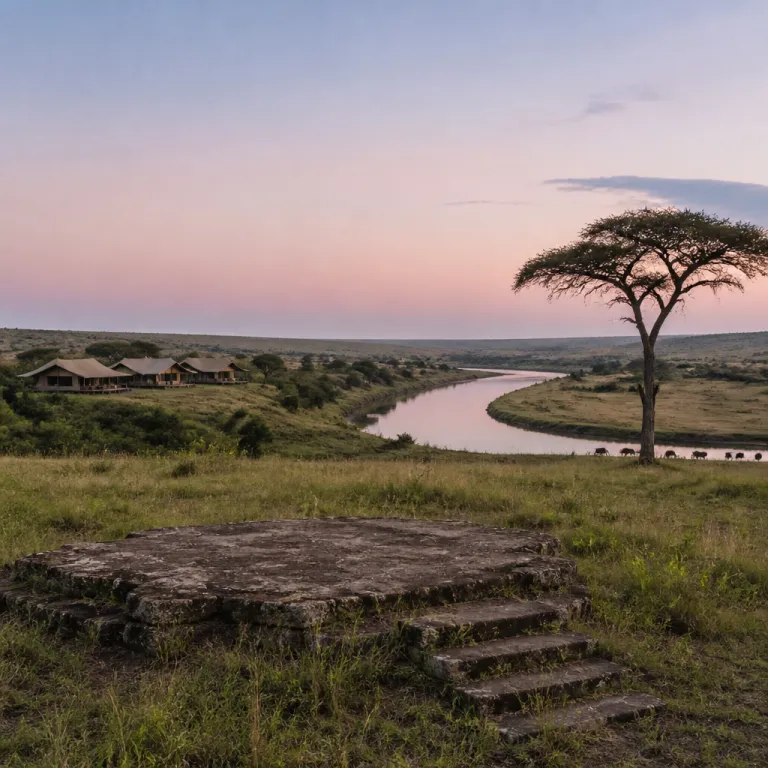
From pioneer camp to branded wilderness: the new face of the Mara Triangle
The Wilderness Mara Kenya lodge opening marks a decisive shift at the base of the Oloololo Escarpment in the Mara Triangle. Where Little Governors’ once ran a small, characterful camp on the edge of a seasonal marsh, a new Wilderness property now stands with 12 tented suites and a far more layered safari operation. The address remains the same in this corner of the Masai Mara National Reserve in Kenya, but the intent behind the camp has changed and so has what a safari here is designed to deliver.
The new safari camp sits inside the Mara Triangle, a 510-square-kilometre sector of the greater Masai Mara that is managed by the Mara Conservancy and bordered by the Mara River and the Tanzanian frontier of the Mara–Serengeti ecosystem. From this position, guests look across a marsh that draws wildlife throughout the day, then out towards the open plains where game moves between the river and the escarpment in a daily rhythm. For solo travellers planning a Masai Mara safari journey, this location offers immediate access to game drives that reach both the river loops and the higher ground in a single outing.
Operationally, Wilderness Mara brings the full weight of a pan-African wilderness brand into a landscape long associated with the more intimate Governors’ camps. The rebuild has introduced a spa, a gym, a small pool and an in-camp photographic studio, alongside tented suites with freestanding bathtubs, outdoor showers and private decks that face the marsh. This is a very different safari experience from the Little Governors’ era, when the camp’s modest footprint and simple canvas tents were part of a more understated journey into the Masai Mara.
For the Mara Triangle, the Wilderness Mara Kenya lodge opening means tighter integration between conservation, guiding and guest logistics. Wilderness has built its reputation on linking safari destinations across national borders, so a stay here can be combined with properties in other national park and national reserve settings through a single booking network. That scale tends to standardise guiding quality, vehicle set-up for game drives and the way each safari adventure is paced from dawn to dusk, while still leaving room for guides to respond to daily wildlife movements.
The question many long-time visitors ask is what is gained and what is lost when a family-run camp like Little Governors’ gives way to a branded wilderness operation. Governors’ helped define the modern East African safari experience, and its camps along the Mara River and in the wider Masai Mara carried a particular intimacy that came from decades of owner presence. In contrast, Wilderness Mara leans into a more polished safari destination model, where the Maasai guiding team, the conservation partnerships and the guest journey are all shaped by a larger corporate structure and a clearly articulated sustainability strategy.
For travellers, the gains are clear if you value reliability, conservation integration and cross-property expertise. Wilderness has stated in launch material that Wilderness Mara opened on 1 July 2026 and that the company is working with the Mara Conservancy and local community groups to channel a portion of nightly rates into habitat protection and Maasai livelihoods. In line with figures shared in other Wilderness impact reports, executives talk about directing between 5 and 10 per cent of gross revenue from the camp into conservation and community projects, a range that gives travellers a tangible sense of scale while still depending on final audited accounts.
Inside Wilderness Mara: tented suites, hot air balloons and a new kind of guest
The physical expression of Wilderness Mara is deliberately contemporary, even as it nods to the canvas heritage of the site. Twelve tented suites are strung along the marsh edge, each with a private deck, an outdoor shower and a freestanding bathtub that looks towards the game-rich wetland where elephants, buffalo and plains game move through the day. This adults-only configuration signals a clear focus on couples, solo explorers and small groups seeking a quieter, more contemplative safari experience in the Masai Mara.
Inside the main camp, a compact pool, a spa and a gym sit alongside lounges that frame the marsh and the distant line of the Oloololo Escarpment. The in-camp photographic studio is perhaps the most telling addition, offering guests editing support, printing and tuition that reflect how central imagery has become to the modern safari journey. When a safari camp invests in this kind of facility, it acknowledges that many guests now arrive with high-end cameras and a desire to curate their own wildlife narratives from the Mara Triangle, often sharing them in real time.
Ballooning remains a key part of the experience here, and Wilderness Mara continues to work with Governors’ Balloon Safaris for hot air balloon flights over the Mara River and the surrounding plains. These early-morning air balloon ascents drift across the Masai Mara National Reserve and, in the right season, can intersect with the Great Migration as herds move between the Mara and the Serengeti. For travellers pairing a Mara safari with time on the coast, this level of soft adventure sits comfortably alongside more languid post-safari escapes, much like the combinations explored in this elegant guide to safari and Zanzibar on wildsafarijourneys.com.
On the ground, game drives from Wilderness Mara range across the Mara Triangle, often following the river loops where crocodiles and hippos dominate the channels and predators work the banks. Guides track movements between the marsh, the Mara River and the open grasslands, using radio updates and long experience to position vehicles for patient sightings rather than rushed checklists. With a typical configuration of just four to six guests per vehicle, this style of guiding can make a safari adventure feel less like a group outing and more like a tailored field experience in a living wilderness, especially when vehicles are not filled to capacity.
The camp also arranges visits to nearby Maasai manyatta homesteads, giving guests a structured way to engage with local culture without turning it into a performance. These visits are framed within a broader conservation narrative, linking community livelihoods to wildlife protection in the Mara Triangle and the wider Masai Mara ecosystem. As one local Maasai community representative put it during early stakeholder meetings, “If tourism here respects our land and supports our children’s education, then the lions and elephants become part of our shared future, not a threat.” When handled carefully, such encounters can deepen a guest’s understanding of how the Maasai, the river corridors and the game-rich plains are bound together in a single, fragile system that depends on tourism revenue to remain intact.
For travellers weighing the Wilderness Mara Kenya lodge opening against more traditional camps, the decision often comes down to how much infrastructure you want around your time in the bush. Here, the presence of a spa, a gym, a pool and a photographic studio means you are never far from a curated comfort zone, even between game drives. That will appeal to many, especially first-time visitors to Kenya, while others may still seek out smaller camps where the line between wilderness and camp life feels a little thinner and evenings around the fire feel more improvised.
Legacy, loss and the future of safari camps in the Mara and beyond
The replacement of Little Governors’ by Wilderness Mara is part of a wider pattern across East and Southern Africa. Legacy camps that once operated as stand-alone family ventures are increasingly being folded into larger safari groups, rebuilt as more luxurious properties and plugged into cross-border marketing networks. The Wilderness Mara Kenya lodge opening is simply one of the most visible examples of this trend in the Mara Triangle, because Governors’ had such a long and influential history on this particular bend of the marsh and river.
For many repeat visitors, the loss is emotional as much as physical. Little Governors’ was a camp where the same managers, guides and staff often welcomed guests back over decades, creating a sense of continuity that is hard to replicate in a larger wilderness brand. The shift to Wilderness Mara brings new tented suites, new facilities and a more standardised safari experience, but it inevitably changes the texture of evenings around the fire and the informal conversations that once defined camp life here.
At the same time, the gains in conservation funding, staff training and operational resilience are real. A group like Wilderness can commit long-term resources to anti-poaching work, habitat restoration and community partnerships in the Mara Triangle and the broader Masai Mara landscape. In launch interviews, Wilderness executives have spoken of dedicating a fixed percentage of revenue from Wilderness Mara to conservation and community projects, a model already used in other camps where guest stays directly support ranger patrols and bursaries for local students. A senior Wilderness spokesperson summarised the approach by saying, “Our goal is that every guest night in the Mara Triangle helps fund at least one more hour of ranger patrols and one more day of schooling for a local child.”
Across the region, similar stories are playing out, from the rebuild of long-standing properties in Kenya to the reopening of family-owned lodges in South Africa. The recent reopening of Jaci’s Private Lodge in Madikwe, explored in detail in this analysis of the future of family-owned safari, shows another path where independent ownership and modern design can coexist. In the case of Wilderness Mara, the path chosen is full integration into a branded wilderness portfolio, with all the benefits and compromises that entails for guests and for the Masai Mara National Reserve.
For solo explorers choosing a safari destination, the key is to be clear about what you value most. If you prioritise conservation integration, access to multiple camps across different national park and national reserve ecosystems, and a consistent level of guiding, then the Wilderness Mara Kenya lodge opening represents a strong option in the Mara Triangle. If you lean towards smaller, more idiosyncratic camps where the Governors’ style of long tenure and personal relationships still shapes the experience, you may look elsewhere along the Mara River or in other corners of the Maasai Mara.
This tension between legacy and scale is not unique to Kenya or to the Mara–Serengeti ecosystem. It echoes in new safari frontiers too, as seen in the way Nepal is entering the safari map in this report on what the first safari mart signals for wildlife travel. As more wilderness areas become connected through air routes, booking platforms and shared conservation models, travellers will increasingly choose not just a camp in the Mara or a single safari adventure, but a philosophy of how wilderness should be hosted, funded and shared.
In the specific case of Wilderness Mara, the verdict will ultimately rest with the guests who return season after season. They will judge whether the new tented suites, the in-camp photographic studio, the hot air balloon flights and the polished game drives still feel rooted in the raw wildlife of the Mara Triangle. Or whether, in trading the intimacy of Little Governors’ for the reach of a global wilderness brand, something essential about this bend in the marsh and river has quietly slipped away.
Key facts for planning a stay at Wilderness Mara
What is Wilderness Mara? A luxury safari camp in Kenya’s Mara Triangle. When did Wilderness Mara open? According to Wilderness launch information, the camp opened on 1 July 2026. Where is Wilderness Mara located? In the Mara Triangle, Masai Mara National Reserve, Kenya.
What happened to Little Governors’ Camp? It closed in 2025; Wilderness Mara now occupies its site. What are the main attractions at Wilderness Mara? Luxury accommodations, exceptional wildlife viewing and sustainable tourism practices that channel a portion of revenue into conservation and community projects. Travellers should book in advance due to high demand, expect premium nightly rates in line with other top-tier Masai Mara camps, pack light neutral-coloured clothing and layers for cool mornings, and respect local customs and wildlife throughout their journey.