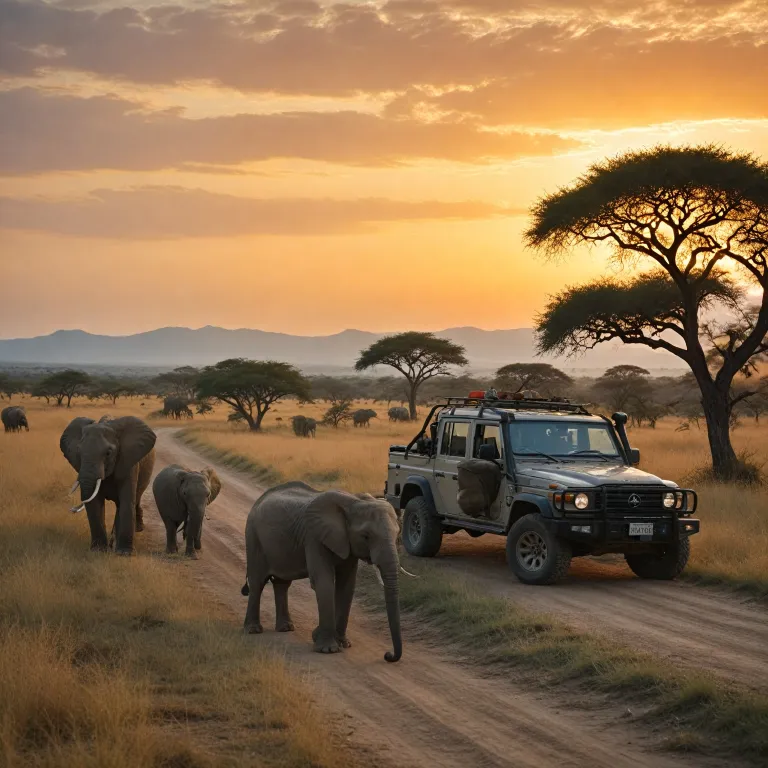
Understanding the importance of travel insurance for safari adventures
Embarking on a safari is an extraordinary adventure, but it comes with unique risks that demand careful planning. Travel insurance is not just a formality; it is a critical safeguard for travelers exploring remote national parks and engaging in thrilling activities. Comprehensive insurance coverage ensures protection against unforeseen events, from medical emergencies to trip cancellations. The best travel insurance plans for safaris are tailored to the specific challenges of wildlife destinations, offering robust benefits that go beyond standard policies. Whether your safari travel includes game drives, walking safaris, or gorilla trekking, your insurance plan must reflect the realities of these activities.
Insurance companies specializing in safari travel understand the necessity of medical coverage and emergency evacuation, especially when access to healthcare is limited. For travelers, the right insurance policy provides peace of mind, knowing that emergency assistance is available around the clock. Insurance plans should also include coverage for lost or delayed baggage, as well as trip cancellation for any reason, to ensure flexibility and security. The best travel insurance policies are those that anticipate the unexpected, offering comprehensive protection for every day of your adventure.
When selecting insurance coverage for your safari, consider the duration of your trip, the activities planned, and the specific risks of your destination. Insurance includes not only medical evacuation but also coverage for trip interruption and cancellation, ensuring that travelers are not left vulnerable. A well-chosen insurance plan is an essential part of any safari, providing a safety net that allows you to fully enjoy the wonders of Africa’s national parks.
Key components of safari travel insurance coverage
Safari travel insurance recommendations emphasize the importance of understanding the core components of a robust policy. Medical coverage is paramount, as safari destinations often lack immediate access to advanced healthcare facilities. Emergency medical evacuation is a non-negotiable feature, with industry experts recommending a minimum coverage of $250,000 due to the remote nature of many safari locations. Insurance plans should also provide benefits for trip cancellation, trip interruption, and delays, protecting travelers from financial loss if plans change unexpectedly.
Adventure activities, such as hot air ballooning or guided walking safaris, require insurance policies that explicitly include these pursuits. Not all insurance companies automatically cover high-risk activities, so it is vital to verify the details of your insurance plan. Baggage coverage is another essential element, safeguarding your equipment and personal belongings against loss, theft, or damage. The best travel insurance policies offer a combination of these features, ensuring comprehensive protection throughout your journey.
Travelers should also look for insurance plans that provide 24/7 emergency assistance, a crucial resource in case of medical or logistical emergencies. Insurance coverage for safari travel must be tailored to the specific demands of the trip, with clear terms regarding exclusions and limitations. For those seeking maximum flexibility, some insurance policies offer a "Cancel for Any Reason" (CFAR) option, allowing travelers to cancel their trip for reasons not typically covered. For more detailed guidance on selecting the right insurance plan, visit safari travel insurance essentials.
Comparing insurance plans and providers for safari travelers
Choosing the best travel insurance for a safari requires careful comparison of insurance plans and providers. Not all insurance companies offer the same level of coverage, and the nuances of each policy can significantly impact your protection. Start by evaluating the insurance coverage offered for medical emergencies, evacuation, and adventure activities. Look for insurance policies that are specifically designed for safari travel, as these will address the unique risks associated with wildlife adventures.
Insurance plans vary in terms of benefits, exclusions, and pricing. Some providers include coverage for pre-existing medical conditions, while others may require additional premiums. It is essential to review the policy’s terms regarding trip cancellation, especially if your safari involves multiple destinations or complex logistics. Insurance includes coverage for baggage loss and delay, which is particularly important when traveling with expensive camera gear or specialized equipment.
Online comparison platforms and official websites of travel insurance providers are valuable tools for assessing your options. Consulting with your safari tour operator can also yield recommendations for reputable insurance companies with experience in African safari travel. For a comprehensive overview of the best insurance plans for safari travelers, explore our insurance plan comparison guide.
Practical tips for selecting and purchasing safari travel insurance
Securing the right insurance policy for your safari adventure involves more than a quick online search. Purchase travel insurance shortly after booking your safari to ensure coverage for unforeseen events, including trip cancellation and delays. Verify that your insurance plan covers all planned activities, especially high-risk adventures like gorilla trekking or hot air ballooning. Insurance coverage should be comprehensive, including emergency medical evacuation, trip interruption, and baggage protection.
Review the policy’s exclusions and limitations to avoid unexpected gaps in coverage. Some insurance companies offer policies with enhanced benefits for adventure activities, while others may require additional riders. Consider policies that provide 24/7 emergency assistance and telemedicine services, which are increasingly available in modern insurance plans. Keep a copy of your insurance policy and emergency contact numbers accessible throughout your trip.
Consult with your safari tour operator for specific insurance recommendations or requirements, as some destinations may have mandatory coverage standards. For those seeking maximum flexibility, look for insurance plans that include a "Cancel for Any Reason" option.
Addressing common concerns: medical emergencies and evacuation on safari
Medical emergencies are a primary concern for travelers on safari, given the remote locations and limited access to advanced healthcare. Insurance coverage for emergency medical treatment and evacuation is essential, with costs for evacuation from remote safari areas averaging $30,000. Insurance plans should provide clear benefits for emergency assistance, ensuring that travelers can access care quickly and efficiently.
Insurance companies offering safari travel policies typically include 24/7 emergency support, which is invaluable in crisis situations. Medical coverage should extend to all planned activities, including those classified as high-risk. Insurance includes not only evacuation but also coverage for hospitalization, outpatient care, and repatriation if necessary.
Travelers are advised to carry documentation of their insurance policy and emergency contact numbers at all times. Insurance plans that offer telemedicine services can provide immediate medical advice, even in the most remote national parks. The best travel insurance for safari adventures is one that anticipates every possible scenario, ensuring that travelers are never left without support.
Maximizing the benefits of your safari travel insurance policy
To fully benefit from your safari travel insurance, it is crucial to understand the details of your policy and utilize its features. Insurance coverage should be reviewed before departure to confirm that all planned activities and destinations are included. Insurance plans with comprehensive benefits, such as trip cancellation, emergency evacuation, and baggage protection, offer the greatest peace of mind.
Travelers should familiarize themselves with the claims process and keep all necessary documentation, including receipts and medical reports, in case of an incident. Insurance companies often provide online portals for submitting claims and accessing emergency assistance. Insurance policies that offer flexible cancellation options, such as "Cancel for Any Reason," provide added security in an unpredictable world.
Consulting with your safari tour operator and insurance provider can help clarify any questions about coverage trip details or policy limitations. As one expert notes: "Ensure the policy includes emergency medical coverage, medical evacuation, trip cancellation/interruption, coverage for adventure activities, and protection for personal belongings." This advice underscores the importance of a well-rounded insurance plan for every safari traveler.
Key statistics on safari travel insurance
- Average cost of emergency medical evacuation in remote safari areas: $30,000
- Percentage of travelers who purchase travel insurance for safaris: 85%
- Average cost of comprehensive travel insurance for a one-week safari trip: $150
Frequently asked questions about safari travel insurance
What should I look for in a safari travel insurance policy?
Ensure the policy includes emergency medical coverage, medical evacuation, trip cancellation/interruption, coverage for adventure activities, and protection for personal belongings.
Are adventure activities like gorilla trekking covered by standard travel insurance?
Not always. It's essential to verify if the policy covers high-risk activities or if additional coverage is needed.
How much medical evacuation coverage is recommended for a safari trip?
A minimum of $250,000 is recommended due to the remote nature of many safari destinations.