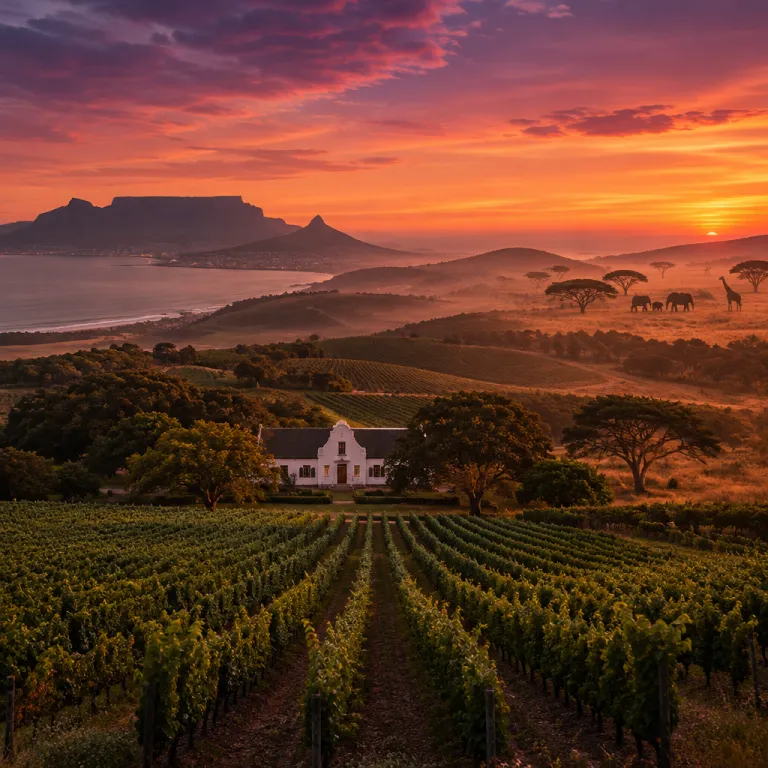
Why southern Africa travel offers an unrivalled Cape Town, Winelands and Kruger safari arc
Southern Africa travel delivers an unrivalled Cape Town, Winelands and Kruger safari arc that links ocean, vineyard and savannah in one coherent journey. This combination lets you experience the layered cultures of South Africa, the drama of the African savannah and the quiet luxury of time spent in nature-rich reserves. When planned well, the same trip can include the city energy of Cape Town, the tranquillity of the Cape Winelands and the intense game viewing of a Greater Kruger safari.
For many travellers from the United States and Europe, this Africa safari route is the best first immersion into the continent. You land in South Africa’s most photogenic city, then move gradually from urban waterfronts to mountain-framed vineyards and finally to a private lodge in a game reserve where lions call at night. This pacing allows your senses to adjust, so by the time you reach Kruger National Park or the private reserves of Sabi Sands, you are ready for the deep quiet and big skies of the African bush.
The phrase southern Africa travel unrivalled Cape Town Winelands Kruger safari captures more than a marketing promise. It reflects how these regions complement each other, from the cool Atlantic along the Cape to the warm Lowveld plains that sustain big safaris and intimate Africa safaris alike. Over ten to fourteen days, you can move from Table Mountain to a Kruger safari in the Greater Kruger area, then extend your travel to Botswana or Victoria Falls for a broader Africa experience.
Designing your days: how to structure a Cape Town, Winelands and Kruger safari itinerary
Thoughtful itinerary design is what turns a good Africa safari into an exceptional one. A classic structure for southern Africa travel that feels balanced is three to four days in Cape Town, two to three days in the Cape Winelands and four to six days on safari in a game reserve within the Greater Kruger region. This gives enough time in each place for meaningful experiences rather than rushed checklists.
In Cape Town, focus your days on contrasting neighbourhoods and landscapes rather than trying to see every attraction. One day might combine the V&A Waterfront and Robben Island, while another explores the Atlantic Seaboard and the historic town centre beneath Table Mountain. A third day can be reserved for the Cape Peninsula, where the meeting of two oceans and the rugged cliffs of Cape Point frame your first sense of Africa’s wild edge before you even reach a national park.
From town to vines is a short transfer of about an hour by road, yet the mood shifts immediately once you arrive in the Cape Winelands. Here, a carefully chosen private lodge or guesthouse in Franschhoek or Stellenbosch allows slow mornings, vineyard walks and cellar tastings between long lunches. Families planning Africa safaris can look at specialist family-focused journeys such as the ones outlined in this guide to crafting the ultimate family safari across the savannah, then adapt those principles to their own Kruger safari days.
Greater Kruger, Sabi Sands and private reserves: choosing your ideal safari setting
The Greater Kruger region is not a single uniform landscape but a mosaic of protected areas. At its heart lies Kruger National Park, one of Africa’s largest conservation success stories and a cornerstone of South Africa’s safari identity. Along its unfenced western boundary sit private reserves such as Sabi Sands, Timbavati and Klaserie, each offering a different style of Africa safaris and game viewing.
Staying inside Kruger National Park itself often means larger camps, more vehicles and a sense of being in a vast public wilderness. This suits travellers who value the scale of a national park, enjoy self-drive game viewing and want to feel part of a broader South Africa conservation story. By contrast, a private lodge in Sabi Sands or another game reserve within the Greater Kruger typically offers guided game drives, fewer vehicles at sightings and the chance to follow big cats off road, which can make big safaris feel more intimate.
Private reserves also allow night drives and walking safaris, adding texture to your Africa safari days and nights. A well-run private lodge will limit vehicle numbers, coordinate game drives by radio and position guests thoughtfully, which protects both wildlife and the quality of game viewing. For a deeper understanding of seasonal wildlife patterns, it helps to read analyses of other iconic ecosystems, such as this perspective on how the Maasai Mara changes when the herds have gone, then apply similar thinking to your chosen game reserve in South Africa.
What a Kruger safari day really feels like: rhythm, game drives and quiet moments
A typical day on a Kruger safari in a private lodge follows the natural rhythm of wildlife rather than the clock. You wake before dawn, share coffee around the fire and set out on the first of two daily game drives while the air is still cool. This is prime time for big predators, and in areas like Sabi Sands or other private reserves within the Greater Kruger, trackers read fresh spoor to find lions, leopards and wild dogs.
After several hours of game viewing, you return to the lodge for breakfast and a stretch of unstructured time. Some guests nap, others watch elephants at the waterhole or photograph birds from the deck, letting the stillness of the African bush sink in. Midday heat is rarely productive for game drives, so the best lodges use these hours for optional bush walks, photographic tutorials or quiet reflection, which keeps your Africa safaris experience from becoming a blur of constant movement.
The second game drive usually leaves in the late afternoon and returns after dark, when spotlights reveal nocturnal life. Over several days, this pattern of early starts, shared sightings and evenings around the fire creates a sense of community that many travellers cite as the highlight of their Africa safari trip. If you are used to faster-paced travel in the United States or Europe, this slower cadence may feel unfamiliar at first, but it is precisely what makes southern Africa travel unrivalled in its ability to reset your sense of time.
Extending beyond Kruger: Botswana, Victoria Falls, Garden Route and KwaZulu-Natal
Once you have experienced the core Cape Town, Winelands and Kruger safari arc, it becomes tempting to widen your Africa journey. Many travellers add a few days in Botswana’s Okavango Delta or Chobe region, where water-based game viewing by boat contrasts beautifully with vehicle-based game drives in a South Africa game reserve. Others fly to Victoria Falls, pairing the drama of the Zambezi River with the quieter pleasures of Cape Winelands vineyards or the coastal scenery of the Garden Route.
Within South Africa itself, the Garden Route offers a gentler landscape of forests, lagoons and beaches that works well after intense big safaris in the Greater Kruger. Families often appreciate the mix of whale watching, coastal walks and malaria-free reserves, which can complement a more traditional Kruger safari earlier in the trip. Further north, KwaZulu-Natal combines Indian Ocean beaches with historic battlefields and smaller national park areas, giving repeat visitors new layers of African history and wildlife to explore.
As your confidence with Africa safaris grows, you may start to plan more complex itineraries that link multiple regions. A future trip might connect Cape Town with Botswana and Victoria Falls, or pair the Cape Town Kruger axis with remote parks in Namibia or Zambia. For travellers who value immersive nature experiences, resources such as this article on immersive biosphere reserve journeys can inspire ways to deepen your engagement with each landscape rather than simply adding more stops.
Practical planning: best time to go, length of stay and choosing your lodge
Planning southern Africa travel that truly feels unrivalled starts with choosing the right time of year. For the Greater Kruger and most South Africa game reserves, the drier months usually offer the best game viewing because vegetation is thinner and animals concentrate around water. Cape Town and the Cape Winelands, by contrast, shine in their warmer, drier season, so there is always a small trade-off when aligning city, vineyard and safari conditions.
For a first Africa safari trip that includes Cape Town, aim for at least ten to twelve days on the ground. This allows three or four nights in the city, two or three in the Cape Winelands and a minimum of three or four nights in a private lodge within a game reserve such as Sabi Sands or another part of the Greater Kruger. Shorter stays can work, but they reduce your chances of seeing a wide range of African wildlife and of settling into the slower rhythm that makes big safaris so restorative.
When choosing a lodge, focus less on décor and more on guiding quality, conservation ethos and access to productive areas for game drives. Ask about vehicle density at sightings, the size of the traversing area and how the lodge supports local communities in South Africa. If you are travelling in malaria season, speak to a travel doctor about prophylaxis and consider combining Kruger with malaria-free reserves elsewhere in the country. Paying attention to these details not only improves your own Africa safaris experience but also helps ensure that the landscapes around Cape Town, Cape Winelands and other key regions remain healthy for future generations of travellers and wildlife alike.
Key statistics on southern Africa safaris and wildlife travel
- Kruger National Park covers approximately 19 500 square kilometres, making it one of the largest national parks in Africa and significantly larger than many well-known reserves in the United States (South African National Parks, 2023 data).
- South Africa receives around 10 million international tourist arrivals in a typical recent year, with wildlife safaris and visits to Cape Town among the leading travel motivations (South African Tourism, 2019 statistics).
- Greater Kruger’s network of private reserves adds roughly 180 000 hectares of protected land adjacent to Kruger National Park, expanding the effective conservation area for big mammals and predators (various conservation reports, recent years).
- Victoria Falls, often combined with a Kruger safari, spans about 1.7 kilometres in width and can see peak flow rates exceeding 500 million litres of water per minute during high water season (Zambia and Zimbabwe tourism authorities, recent hydrological data).
- The Cape Winelands region includes more than 500 wine producers, allowing travellers to pair Africa safaris with world-class food and wine experiences within a few hours of Cape Town (wine industry bodies in South Africa, recent figures).
FAQ about Cape Town, Winelands and Kruger safaris
How many days do I need for a Cape Town, Winelands and Kruger safari trip ?
A balanced itinerary usually requires at least ten to twelve days. This allows three or four nights in Cape Town, two or three nights in the Cape Winelands and three or four nights in a private lodge within the Greater Kruger region. With more time, you can add Botswana, Victoria Falls or the Garden Route without feeling rushed.
Is it better to stay inside Kruger National Park or in a private reserve ?
Staying inside Kruger National Park offers access to a vast public wilderness and the option of self-drive game viewing. Private reserves such as Sabi Sands or other parts of Greater Kruger provide guided game drives, fewer vehicles at sightings and the ability to track big cats off road. Many first-time visitors to South Africa choose a private lodge for the guided experience, then return later to explore the national park independently.
When is the best time of year for game viewing in the Greater Kruger area ?
The drier winter months usually offer the most reliable game viewing in the Greater Kruger and surrounding game reserves. During this period, vegetation is thinner and animals gather around remaining water sources, making them easier to see on game drives. Shoulder seasons can also be rewarding, especially for travellers who prefer fewer visitors and slightly lower lodge rates.
Can I combine a Kruger safari with Botswana or Victoria Falls in one trip ?
Yes, many southern Africa travel itineraries combine a Kruger safari with Botswana or Victoria Falls. Short regional flights link key hubs in South Africa with Maun, Kasane and Livingstone, making multi-country Africa safaris logistically straightforward. To keep the pace comfortable, add at least three nights in each additional destination beyond Cape Town, the Cape Winelands and Kruger.
Is a safari in South Africa suitable for families with children ?
Many lodges in South Africa, especially within the Greater Kruger and along the Garden Route, are well equipped for families. Some private lodges offer child-friendly game drives, educational bush activities and flexible meal times, which make Africa safaris more accessible for younger travellers. Always check age restrictions for game drives and consider malaria-free reserves if you are travelling with very young children.