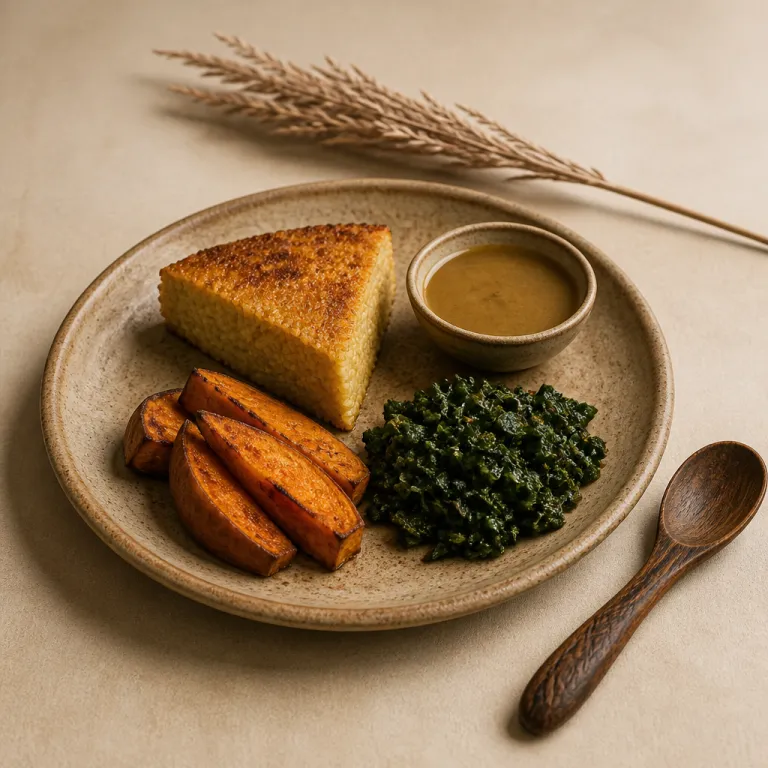
From silver cloches to veldkool: how safari cuisine is being rewritten
On many game reserves in Africa, dinner still arrives under polished silver cloches. The setting may be an African safari firepit under big wildlife skies, yet the menu often reads like a suburban European restaurant with little connection to the surrounding landscapes. This is where decolonised safari cuisine and contemporary African food culture step in, asking whose food stories shape the plate and whose experiences are edited out.
Decolonised safari cuisine means centering indigenous ingredients, local stories and the people who live with wildlife every day. It treats food and drink as part of the landscape, not an imported comfort blanket for hurried travel tourism. In practice, it shifts power from distant suppliers to local farmers, safari chefs and communities whose ingredients once sat at the margins of African travel narratives.
Industry observers now back this quiet revolution in Africa. A recent survey of high end lodges, summarised in Luxury Safari Magazine (2023), suggests that a clear majority of properties now rely predominantly on regional produce, while reporting in Travel Industry Today (2022) points to a marked rise in demand for authentic regional cuisine among international guests. Those trends matter because they show that decolonised safari cooking and African-inspired lodge menus are not niche experiments but part of a structural change in how African safari hospitality defines luxury.
At !Khwa ttu on South Africa’s West Coast, the shift is explicit and political. The centre is dedicated to San heritage, and its kitchen replaces flown in asparagus with veldkool, dune spinach and other foraged ingredients that once sustained hunter gatherer communities. Here, food and drink pairings become a form of living art, with red amaranth leaves and wild herbs telling stories that no colonial menu ever bothered to translate.
Safari lodge chefs across East Africa and southern reserves are rethinking what a great dinner in the bush should mean. Many now work directly with local farmers, using traditional cooking methods alongside modern culinary techniques to create experiences that feel rooted rather than staged. As one head chef in northern Tanzania told me, “If the land is on the plate and the community is in the kitchen, guests taste a real safari, not a themed restaurant.” This fusion of heritage recipes and modern practices is where decolonised safari cuisine and regional African gastronomy gain both credibility and creative momentum.
For couples planning future travel, the question is no longer only which wildlife project has the best sightings. It is also which camp treats food as a serious part of the wildlife connected story, rather than a generic add on between game drives. Choosing properties that embrace slow travel and local sourcing is one of the most effective ways to support communities while still enjoying a refined African safari experience.
Understanding what safari cuisine has been helps explain why this shift matters. For decades, many lodge menus were designed to reassure nervous international travel guests with familiar European dishes, often at the expense of local foods and culinary art. As one industry guide puts it with disarming clarity, “What is safari cuisine? A blend of indigenous and colonial culinary traditions.”
That blend is now being rebalanced, and it takes a lot of negotiation behind the scenes. Lodge managers, safari chefs and local women who have cooked over coals for generations must agree on what belongs on the plate and what feels like copyright adventure tourism. The most thoughtful properties treat this as an ongoing conversation rather than a branding exercise, inviting guests into the process instead of hiding it in the kitchen.
Guest expectations versus local realities: the quiet tension at the table
Walk into a dining tent after a long game drive and you can often predict the menu. There will be a red meat option, a pasta, a European style dessert and perhaps a token African dish framed as an exotic adventure. This pattern reveals how decolonised safari cuisine and locally grounded African food still compete with entrenched expectations about what luxury on safari should taste like.
Many international travel Africa guests arrive assuming that comfort equals replication of home, not immersion in local food cultures. They have been sold an African safari fantasy where wildlife is wild but the plate remains safely familiar, and where food and drink rituals mirror a country club rather than a village courtyard. Lodges that challenge this script risk complaints, yet those that never challenge it help freeze African food in a colonial past.
The tension is especially sharp in South Africa, where wine estates and safari properties often share ownership and guest pipelines. On one hand, there is a sophisticated farm to table movement that celebrates indigenous ingredients such as sorghum, amaranth and spekboom. On the other, there are dining rooms where the only visible Africa on the plate is a decorative biltong shard or a dusting of rooibos.
In Zimbabwe, events such as the Amai Traditional Cook Out Competition at Lupane State University show another path. There, women from rural communities present foods that have sustained families through economic shocks, turning culinary heritage into a resilience strategy rather than a nostalgic sideshow. When safari chefs pay attention to such competitions, they gain a deeper understanding of how decolonised safari cuisine and regional African food traditions can support both taste and livelihoods.
Travel journalist voices are increasingly important in shifting guest expectations. Writers such as Emma Gregg and Meera Dattani have long argued that African travel coverage must treat food as seriously as wildlife, not as a decorative afterthought. When a travel journalist profiles a camp, the questions now include who grew the ingredients, which people set the menu and how the kitchen relates to surrounding communities.
For couples planning an African safari, this means asking more pointed questions before booking. Instead of only checking the big wildlife credentials, ask how the lodge sources its ingredients and whether local women and men hold decision making roles in the kitchen. This approach aligns with slow travel principles, where every meal becomes part of a longer, more reflective experience rather than a rushed buffet between drives.
Food can also deepen your understanding of the ecosystems you visit, just as much as a walking safari or a specialist guide. Reading about unusual facts on wildlife, culture and nature in Kenya, for example, can frame how you taste ugali, sukuma wiki or coastal coconut stews during a stay in East Africa. Articles that explore such connections between wildlife, culture and nature help guests see that decolonised safari cuisine and contemporary African foodways are not a trend but a way of reading the landscape through the palate.
There is a practical upside for lodges that lean into this tension with honesty. When guests arrive primed to value local foods and stories, they are less likely to complain that the menu lacks imported asparagus or French cheese, and more likely to celebrate a bowl of wild greens or a millet porridge. Over time, this feedback loop encourages more properties to align their plates with the Africa outside the canvas walls.
Economics, ethics and the supply chain: who really benefits from your safari dinner
Behind every plated dessert on safari lies a supply chain that either reinforces or challenges old hierarchies. Imported ingredients travel thousands of kilometres, bypassing local farmers and locking remote communities out of tourism’s most reliable revenue stream. Decolonised safari cuisine and ethical African food sourcing ask a blunt question: who gets paid when you order that steak or that salad.
Local sourcing changes the answer in tangible ways. When lodges buy sorghum, beans, leafy greens and free range poultry from nearby farmers, they create stable markets in areas where wildlife tourism is often the only major employer. This approach turns food and drink into a second economic pillar, complementing guiding and housekeeping roles and giving people more reasons to see wildlife as an asset rather than a competitor.
The environmental case is equally strong. Shorter supply chains mean fewer refrigerated trucks rumbling across Africa and less packaging waste arriving in fragile ecosystems, from East Africa’s savannahs to South Africa’s fynbos. When ingredients travel only a few kilometres from field to fire, the carbon footprint of each safari dinner shrinks, and the menu becomes a quiet form of conservation.
For lodge managers, the shift to local ingredients is not only about ethics; it is also about risk management. Global disruptions have shown how vulnerable imported food systems can be, especially in remote wildlife areas. Building relationships with nearby producers makes the kitchen more resilient, even if it takes a lot of time and negotiation to align standards, volumes and seasonal availability.
Guests rarely see this backstage work, yet it shapes every mouthful. A thoughtful camp might partner with a women’s cooperative to grow chillies, tomatoes and leafy greens, while another invests in training local youth as pastry chefs or butchers. In both cases, decolonised safari cuisine and community based African food projects become long term wildlife initiatives in themselves, tying livelihoods to healthy ecosystems and stable tourism flows.
There are, of course, limits. Some ingredients simply do not grow in certain climates, and insisting on absolute purity can slide into performance rather than practicality. The most credible properties strike a balance, using imported items sparingly while letting local foods carry the narrative weight of the menu and the overall experience.
For travellers who care about where their money goes, this is where due diligence matters. Reading in depth features on wildlife, culture and nature, or case studies on how tourism brands frame conservation, can sharpen your sense of how safari narratives are constructed. That same critical lens helps you evaluate whether a lodge’s talk of sustainability and decolonised safari cuisine is backed by transparent sourcing and real community partnerships.
Ultimately, the economics of the plate are inseparable from the ethics of the trip. When you choose a camp that pays fairly for local ingredients and skills, you are funding a different future travel model for Africa, one where food thought and wildlife conservation pull in the same direction. The bill at the end of your stay becomes a ledger of who you chose to support, not just a tally of nights and game drives.
Food as field guide: tasting your way into the landscape
On a well run African safari, the most memorable moment is rarely the buffet. It is the quiet coffee before dawn, the red glow of coals under a kettle, or the shared food and drink stop where your guide points out tracks while you sip something strong. Decolonised safari cuisine and immersive African food experiences build on these intimate rituals, turning every bite into a way of reading the land.
Think of the menu as a field guide written in ingredients rather than Latin names. A stew of free range goat with wild greens tells you about grazing patterns, rainfall and the plants that survive drought, just as surely as a lecture on ecology would. When safari chefs explain that the same sorghum in your porridge also feeds village chickens and sometimes even attracts seed eating birds, wildlife and food suddenly feel like connected meeting points rather than separate chapters.
Some of the most interesting camps now brief their guides and kitchen teams together. The aim is to create a wildlife connected narrative where what you see on a drive and what you taste at dinner reinforce each other, rather than existing in parallel. This approach aligns naturally with slow travel, encouraging guests to stay longer, ask more questions and treat meals as part of the adventure rather than a pause from it.
Photography plays a role here too. When you meet a photographer big on conservation storytelling, you often hear how food landscapes and wildlife habitats overlap, from maize fields raided by elephants to rivers that sustain both fish and farming communities. A thoughtful photographer big on detail might frame a shot of women harvesting wild spinach with the same care as a lion portrait, reminding viewers that people and wildlife share the same fragile stage.
Writers such as Emma Gregg and Meera Dattani have helped normalise this broader lens in African travel journalism. Their work shows that a copyright adventure narrative can include recipes, market visits and kitchen conversations without diluting the thrill of big wildlife encounters. As a travel journalist walking that same line, I see decolonised safari cuisine and modern African food storytelling as one of the most powerful tools we have to tell more honest, layered stories about the continent.
For couples planning their next adventure, this means seeking itineraries where food, wildlife and culture are treated as one ecosystem. That might involve a stay at a San heritage centre in South Africa, followed by time with community conservancies in East Africa that integrate grazing, farming and wildlife corridors. Along the way, reading expert explainers on topics such as whether gorillas are monkeys or great apes can deepen your respect for how science, language and power shape every aspect of safari storytelling.
None of this requires sacrificing comfort or romance. A lantern lit dinner under the stars can still feel indulgent while featuring millet, cowpeas and wild greens instead of imported asparagus and farmed salmon. The difference is that decolonised safari cuisine and regionally rooted African food invite you into the story as an informed participant, not a passive consumer of staged experiences.
In the end, what belongs on the plate is whatever reflects the land, the season and the people whose home you are visiting. Who decides should be a conversation between local communities, skilled safari chefs and guests willing to listen as much as they taste. When that balance is right, every meal becomes a quiet act of respect for Africa’s past, present and future.
Key figures shaping the future of safari cuisine
- Recent coverage in publications such as Luxury Safari Magazine indicates that a large majority of lodges now use significant amounts of local ingredients, suggesting that most high end properties integrate at least some regional sourcing into their menus.
- Travel Industry Today and similar outlets report a clear increase in demand for authentic cuisine among safari guests, showing that travellers are actively seeking decolonised safari cuisine and African food experiences rather than defaulting to generic international dishes.
- In many remote wildlife regions, tourism is the primary formal employer, so shifting even a portion of lodge food budgets to local farmers can create dozens of new income streams per community over a single season.
- Farm to table and culinary tourism models in South Africa’s wine and safari regions have reduced average ingredient transport distances by hundreds of kilometres, significantly lowering the carbon footprint of each plated dish.
- Post colonial menu strategies that combine indigenous recipes with modern techniques have been shown to improve guest satisfaction scores, especially among travellers who prioritise slow travel and cultural immersion.