Why the Big Five premium distorts what a safari is worth
The phrase value safari beyond Big Five Africa sounds niche, yet it describes a growing correction in how serious travellers judge African wildlife trips. For decades, marketing around the Big Five species — lion, leopard, elephant, rhinoceros and buffalo — has turned a simple checklist into a pricing ladder that pushes rates up wherever those five animals are heavily advertised. In practice, the most rewarding African safari experience often comes when you stop chasing a big safari tally and start asking how a landscape actually works.
The Big Five label was originally about hunting difficulty, not photographic value, and that history still shapes how Africa big game is sold to time-poor executives. Camps inside famous national park names command a premium because they promise fast access to lion and leopard sightings and the full five species, yet they also concentrate vehicles and dilute the sense of wilderness. By contrast, quieter game reserve concessions in southern Africa, from Hwange National Park in Zimbabwe to Ruaha National Park in Tanzania, often price themselves on space, guiding calibre and conservation efforts rather than on how many Big Five animals appear on a brochure.
For a business traveller extending a work trip in South Africa or Kenya and Tanzania, the question is not whether the Big Five are impressive, but whether paying a substantial surcharge for one more Cape buffalo sighting is the best use of limited days. A more value-focused safari reframes cost around quality of time in the field, the depth of wildlife behaviour you witness and the conservation model you support. That shift opens up national park options where elephant populations, African buffalo herds and so‑called secondary species deliver a richer, calmer kind of big game immersion.
Five parks where so called secondary wildlife steals the show
Start with Hwange National Park in western Zimbabwe, where large elephant numbers shape the landscape and the idea of a value safari beyond the Big Five stops being theory and becomes dust, light and low rumbling sound. Dry-season pans pull in huge concentrations of animals, from plains game to predators, and the sight of a hundred elephants queuing at a pumped waterhole can feel more powerful than any single lion. According to Zimbabwe Parks and Wildlife Management Authority summaries and African Parks style assessments, Hwange holds one of Africa’s biggest free‑roaming elephant populations — often cited at more than 40,000 animals — and yet nightly rates here often sit well below comparable camps in neighbouring southern Africa hotspots, while guiding quality and conservation work remain quietly world class.
Shift east to Ruaha National Park in central Tanzania, one of the largest protected areas in Africa and a masterclass in how a big safari can feel wild without the crowds. Visitor density is a fraction of that in the Serengeti, with some estimates putting average vehicle numbers at major sightings in single digits, but lion prides, leopard territories and African wild dog packs thrive along the Ruaha River, giving you long, unhurried game drives where vehicles are scarce and animals set the timetable. This is where the old hunting narrative falls away and you start to understand big game dynamics through patient tracking, not radio chatter about the nearest Big Five tick.
In South Africa, the greater Kruger conservancies outside the headline reserves offer a similar recalibration of value for the executive traveller flying in via Cape Town or Johannesburg. Here, guides quietly celebrate sable, roan and tsessebe alongside elephant and rhinoceros, and you realise how narrow the Big Five lens has been for African wildlife as a whole. Well‑regarded operators such as Singita and Londolozi publish detailed conservation reports, while independent analysts and proprietary long‑form guides on expert safari budgeting strategies provide useful, numbers‑led references for comparing these lesser‑known reserves with marquee parks; recent sample rate sheets, for instance, show low‑season nightly prices in some private concessions at 20–30% below flagship Sabi Sand lodges.
Designing a ten day itinerary that costs less and shows more
Think of a ten day African safari as a portfolio, not a single bet on one famous national park, if you want a true value safari beyond Big Five Africa. A classic circuit might pair a high‑profile reserve in South Africa or Kenya and Tanzania with a second big‑name park, doubling up on lion and leopard sightings while also doubling the premium you pay for each game drive. A smarter structure for the same number of days blends one marquee area with two quieter game reserve stays, where rates are lower and wildlife behaviour feels more authentic.
One example for a business‑leisure traveller starting in Cape Town could be three nights in a greater Kruger conservancy, four nights in Hwange and three nights in a bird‑rich corner of iSimangaliso Wetland Park on the south coast. You still see the Big Five species in at least one location, but you also gain time with wild dogs, large elephant populations and a remarkable range of smaller animals that rarely feature in glossy brochures. By shifting half your nights into lower‑profile areas, overall costs can fall significantly — often by several hundred dollars per person per night when you swap one ultra‑luxury lodge for a well‑run, mid‑priced camp — while your exposure to varied African species and conservation models increases.
Seasonality is another lever that executives often overlook when planning Africa big game travel around fixed meeting dates. Green‑season safaris, when rains return and landscapes flush with colour, can reduce nightly rates and thin out vehicle traffic without erasing quality wildlife encounters, as illustrated in proprietary analyses of how off‑peak pricing can transform safari budgets. In these softer months, a value safari beyond Big Five Africa often means watching elephants swim, birds explode into breeding plumage and predators adjust to taller grass, rather than chasing one more buffalo photograph in harsh light.
Species that out thrill the Big Five for serious wildlife watchers
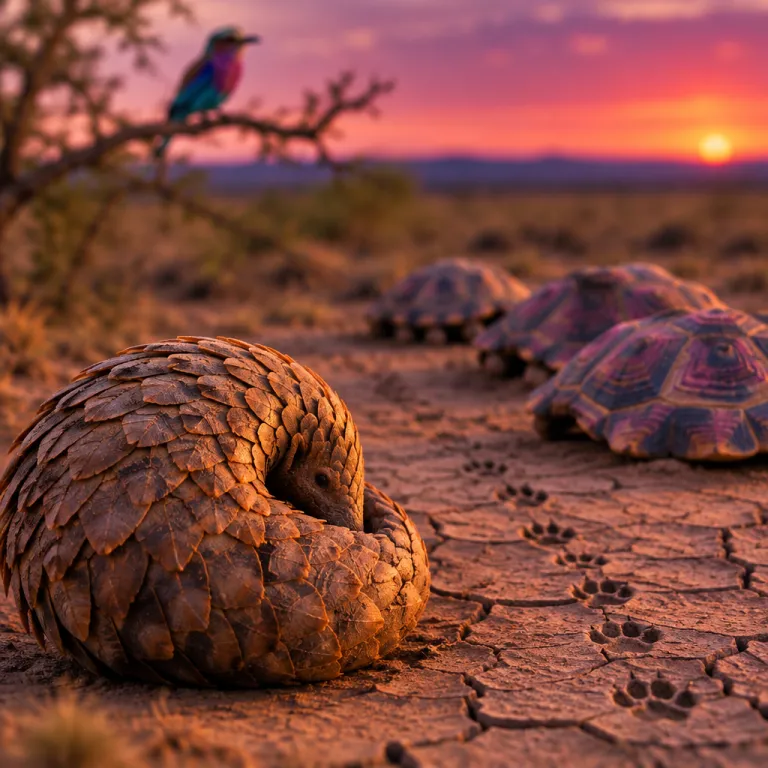
Ask seasoned guides which animals they would choose for their own off‑duty game drives, and the answers rarely start with the Big Five. African wild dog, pangolin, aardvark, serval and caracal sit high on most lists, because their behaviour is complex, their sightings are rare and their presence signals healthy ecosystems where conservation efforts run deep. In this sense, a value safari beyond Big Five Africa is not anti‑lion or anti‑elephant, it is pro nuance and pro habitat.
Night drives in selected game reserve concessions across southern Africa reveal a parallel cast of characters that never appear on standard Big Five marketing. Aardvark shuffle between termite mounds, Cape fox pairs work the verges and serval stalks through long grass with a precision that rivals any leopard, while the occasional pangolin sighting can reset a lifetime of African safari expectations in a single, hushed minute. As one field guide summary puts it without exaggeration, “Rare species like aardvark, pangolin, and serval are the sightings we quietly hope for on every drive, because they tell us the ecosystem is still functioning properly.”
Daylight hours bring their own alternatives to the usual big safari narrative, especially in parks where elephant populations, African buffalo herds and plains game dominate the rhythm of sightings. Watching a Cape buffalo herd test a river crossing or a coalition of cheetah work an open floodplain can be more absorbing than a static lion sighting under a tree. For travellers who care about value safari beyond Big Five Africa, these moments show that the real luxury is time with wildlife behaving naturally, not just the number of Big Five species you can list over dinner.
The executive calculation: time, service and conservation return on spend
For business travellers used to reading balance sheets, the value safari beyond Big Five Africa argument is ultimately about return on time and money invested. A three‑night stay in a heavily trafficked Big Five flagship reserve might deliver fast lion and leopard sightings, but it can also mean queuing behind vehicles and spending long transfers away from actual wildlife. The same budget, redirected to a mix of Hwange, Ruaha and a well‑run greater Kruger conservancy, often buys more hours on quiet tracks, sharper guiding and a closer connection to on‑the‑ground conservation efforts.
Service standards in these less‑hyped corners of Africa have risen dramatically, with many owner‑run camps focusing on guide training, low vehicle density and transparent funding for anti‑poaching work that protects elephant, rhinoceros and other threatened species. When you choose such operations, your spend supports African buffalo and Cape buffalo herds as much as headline predators, and you help sustain the African wild dog population that the IUCN Red List currently estimates at roughly 1,400–5,600 mature individuals across the continent. That alignment between guest experience, wildlife welfare and local employment is where a value safari beyond Big Five Africa becomes a strategic decision, not just a romantic one.
There is also a psychological dividend in stepping away from the checklist mentality that has long defined Africa big game marketing. Once you stop counting five species and start asking your guide about ecosystem dynamics, every drive becomes richer, whether you are in South Africa, Kenya and Tanzania or a quieter corner of southern Africa. For readers who want to go deeper into this mindset shift, proprietary features on the end of the checklist safari trip unpack how to choose operators who prioritise tracking skill, animal welfare and habitat integrity over a rushed big safari tally.
FAQ
Is a safari without constant Big Five sightings still worth the cost ?
A safari that focuses less on the Big Five and more on overall wildlife behaviour can deliver better value, especially in parks where elephant populations, African buffalo herds and diverse smaller species are thriving. You often gain longer, quieter game drives with fewer vehicles and more time to watch animals interact naturally. For many travellers, that depth of experience outweighs a rapid‑fire checklist of lion, leopard, rhinoceros, elephant and buffalo.
What are the Secret Seven animals and why do they matter for value safaris ?
The group often called the Secret Seven highlights elusive nocturnal species that signal healthy ecosystems and thoughtful guiding. In most southern African usage, the list includes aardvark, pangolin, serval, African wild cat, porcupine, civet and large spotted genet. Focusing part of your itinerary on areas where these animals occur can turn a standard African safari into a value safari beyond Big Five Africa, because you are paying for rarity, habitat quality and guide expertise rather than just a Big Five headline.
Are night game drives safe for seeing lesser known species ?
Night drives, when conducted by experienced guides in regulated concessions, are considered safe and are tightly controlled by park rules. They open a window onto animals such as aardvark, serval, Cape fox and African wild cat that you will almost never see during daytime game drives. As one expert summary states, “Are night safaris safe? Yes, when conducted by experienced guides.”
How many days should I plan for a value focused safari itinerary ?
A ten day trip is a strong baseline for a value safari beyond Big Five Africa, because it allows you to combine at least two different ecosystems without rushing. Many travellers split those days between one marquee national park and one or two quieter game reserve areas, balancing Big Five opportunities with time in less crowded habitats. Shorter stays can still work for business travellers, but the fewer days you have, the more important it becomes to avoid long transfers and choose well‑connected parks in South Africa or Kenya and Tanzania.
Can I support conservation efforts directly through my safari choices ?
Choosing camps that publish clear data on their conservation efforts is one of the most effective ways to turn your African safari into a direct contribution to wildlife protection. Many operations in southern Africa now channel a portion of nightly rates into anti‑poaching units, community conservancies and research on threatened species such as African wild dog, rhinoceros and elephant. Asking specific questions about how your money supports local projects is part of building a genuinely value‑driven safari beyond the Big Five narrative.
References
IUCN Red List ; African Parks ; WWF ; Zimbabwe Parks and Wildlife Management Authority