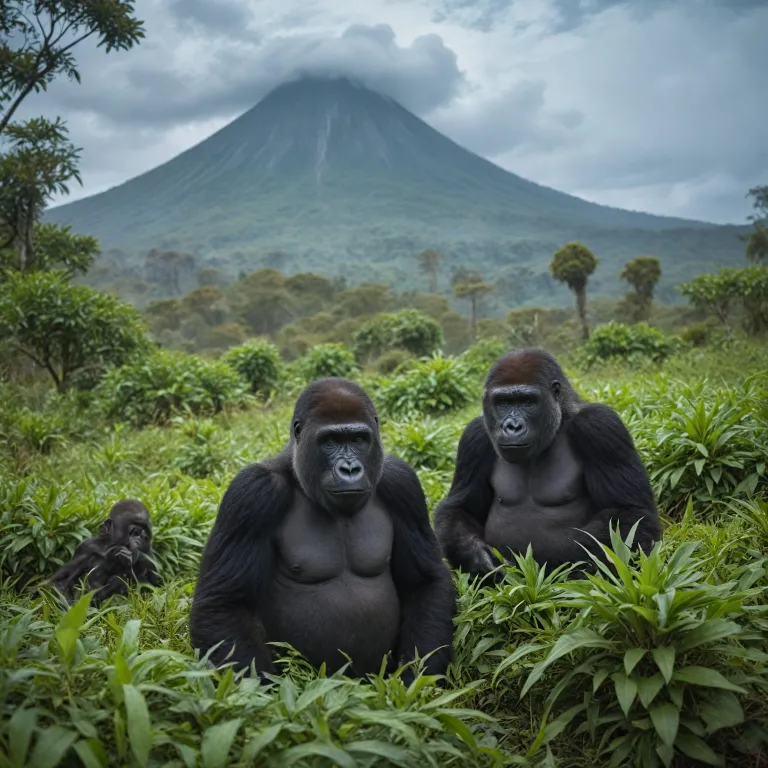
Understanding the allure of gorilla trekking in Rwanda
Gorilla trekking in Rwanda stands as one of the most sought-after wildlife experiences for travelers passionate about safari and conservation. The opportunity to observe mountain gorillas in their natural habitat within Volcanoes National Park is both rare and transformative. Rwanda’s commitment to conservation, supported by organizations such as the Dian Fossey Gorilla Fund and Gorilla Doctors, ensures that each gorilla trek directly contributes to the protection of these endangered primates. The park rangers, highly trained and deeply knowledgeable, guide each group safely through the dense rainforest and bamboo forests, making the trek both educational and secure. Many reviews highlight how travelers felt safe throughout the journey, with the expertise of guides and the presence of park rangers providing reassurance at every step.
Each gorilla trekking experience is unique, shaped by the assigned gorilla group and the terrain covered during the trek. Some groups are located deeper within the park, requiring a higher level of physical fitness, while others may be closer to the trailheads. The anticipation builds as travelers set out early in the morning, equipped with hiking gear and rainproof clothing, ready for a life changing encounter. The moment a gorilla family comes into view, often led by a majestic silverback, is described as both humbling and exhilarating. The presence of mountain gorillas in such proximity leaves a lasting impression, with many visitors highly recommending the experience to others seeking a meaningful safari adventure.
Rwanda’s approach to eco-friendly tourism minimizes environmental impact while maximizing the benefits for local communities. The expansion of Volcanoes National Park and the involvement of local partners further enhance the sustainability of gorilla trekking. For those comparing Rwanda and Uganda, reviews often note the excellent organization and conservation focus found in Rwanda gorilla treks. The integration of golden monkeys and other wildlife sightings adds depth to the overall safari experience, making each trip to the park a comprehensive exploration of Rwanda’s natural heritage.
Preparation and practical tips for a successful gorilla trek
Preparation is essential for anyone planning a gorilla trek in Rwanda. Booking gorilla trekking permits well in advance is crucial, as availability is limited due to conservation regulations. The cost of a permit is significant, but travelers consistently report that the experience justifies the investment. Sturdy hiking boots, rain gear, and layered clothing are recommended to navigate the often muddy and steep trails of Volcanoes National Park. Many reviews suggest hiring a porter, not only to assist with carrying gear but also to support local livelihoods.
Physical fitness plays a key role in the enjoyment of the trek, as the terrain can be challenging and the duration of the trek varies depending on the location of the assigned gorilla group. Treks can last anywhere from two to eight hours, with some groups requiring more strenuous hikes. Travelers are briefed by park rangers before setting out, ensuring that everyone understands the guidelines for interacting with gorillas and maintaining a respectful distance. The park’s commitment to safety and conservation is evident throughout the process, with clear instructions provided to minimize disturbance to the gorilla families.
For those interested in extending their safari, combining gorilla trekking in Rwanda with visits to Uganda or the Democratic Republic of Congo offers a broader perspective on mountain gorilla conservation. Many reviews highlight the excellent coordination between national parks in the region, allowing for seamless travel between destinations. For more detailed planning advice and to explore tailored safari itineraries, visit this comprehensive Rwanda gorilla trekking guide.
Experiencing the magic of mountain gorillas in Volcanoes National Park
The heart of any gorilla trekking Rwanda reviews centers on the moment of encountering a mountain gorilla family. Volcanoes National Park, located near Musanze in Rwanda’s Northern Province, is home to several habituated gorilla groups. Each group is monitored by park rangers and conservationists, ensuring their well-being and the safety of visitors. The trek through the park’s lush rainforest and bamboo groves is an adventure in itself, with the sounds of birds and the rustle of leaves heightening the sense of anticipation.
Upon locating the assigned gorilla group, travelers are allowed a strictly regulated hour to observe the gorillas as they interact, feed, and care for their young. The presence of a silverback, often the dominant male, adds a sense of awe to the experience. Many reviews describe the emotional impact of making eye contact with a mountain gorilla, noting how the encounter feels both intimate and respectful. The guidance of expert trackers and the support of park rangers ensure that the experience is both safe and enriching.
In addition to gorillas, the park offers opportunities to observe golden monkeys and other wildlife, further enhancing the safari experience. The expansion of Volcanoes National Park and the ongoing efforts of organizations like the Ellen DeGeneres Campus of the Dian Fossey Gorilla Fund underscore Rwanda’s dedication to conservation. For those seeking more information on the unique wildlife encounters available in the region, explore this detailed guide to Volcanoes National Park.
Choosing the right lodge and planning your safari itinerary
Accommodation plays a significant role in the overall gorilla trekking experience. Rwanda offers a range of lodges near Volcanoes National Park, each providing comfortable amenities and excellent service. Many travelers appreciate the proximity of these lodges to the park entrance, allowing for early morning departures and easy access to briefing points. Reviews often mention the warm hospitality of lodge staff and the opportunity to relax in serene surroundings after a challenging trek.
When planning a safari itinerary, it is advisable to allocate at least two nights near the park to accommodate the early start times and to allow for flexibility in case of inclement weather. Some visitors choose to combine their gorilla trek with additional activities, such as visiting local communities, exploring Musanze town, or embarking on hikes to see golden monkeys. The integration of cultural experiences and wildlife encounters creates a well-rounded trip that appeals to a wide range of interests.
For those comparing Rwanda and Uganda, the choice often comes down to personal preferences regarding travel logistics, permit availability, and the specific gorilla groups assigned. Both countries offer excellent opportunities to observe mountain gorillas, with Rwanda’s Volcanoes National Park renowned for its accessibility and conservation initiatives.
Conservation impact and the role of local communities
Gorilla trekking in Rwanda is more than a wildlife adventure; it is a vital component of conservation and community development. Revenue from gorilla trekking permits supports the protection of mountain gorillas and funds initiatives that benefit local communities. The involvement of local partners, including guides, porters, and artisans, ensures that the economic impact of tourism is widely distributed. Many reviews emphasize the sense of connection travelers feel with the people of Rwanda, whose hospitality and commitment to conservation enhance the overall experience.
The expansion of Volcanoes National Park and the adoption of eco-friendly tourism practices reflect Rwanda’s forward-thinking approach to wildlife protection. Organizations such as Gorilla Doctors provide essential veterinary care to gorillas, while the Dian Fossey Gorilla Fund continues to advance research and education. The collaboration between national and international partners has resulted in a steady increase in the mountain gorilla population, a testament to the effectiveness of Rwanda’s conservation strategy.
Travelers are encouraged to support responsible tourism by following park guidelines, respecting wildlife, and engaging with local initiatives. The life changing nature of a gorilla trek is amplified by the knowledge that each visit contributes to the long-term survival of mountain gorillas and the well-being of the communities that share their habitat.
Expert insights and real traveler reviews
Expert opinions and traveler testimonials form the backbone of reliable gorilla trekking Rwanda reviews. Dian Fossey’s pioneering work in the region laid the foundation for modern conservation efforts, and her legacy is evident in the ongoing research and protection of mountain gorillas. The Ellen DeGeneres Campus of the Dian Fossey Gorilla Fund and Gorilla Doctors continue to play pivotal roles in safeguarding gorilla populations and promoting sustainable tourism.
Travelers consistently praise the professionalism of park rangers and the seamless organization of treks. Many note that they felt safe throughout the journey, with clear communication and expert guidance at every stage. The emotional impact of encountering a gorilla family, particularly the powerful silverback, is a recurring theme in reviews. The sense of achievement after completing a physically demanding trek is matched only by the awe inspired by the presence of mountain gorillas in their natural environment.
One verified quote from the dataset encapsulates the experience: "Yes, gorilla trekking is considered safe when conducted with experienced guides and adherence to park regulations." This reassurance, combined with the excellent support provided by local partners, makes gorilla trekking in Rwanda a highly recommended adventure for those seeking an authentic and impactful safari experience.
Key statistics on gorilla trekking and conservation in Rwanda
- Mountain gorilla population in 1981: 242 individuals (Karisoke Research Center)
- Current mountain gorilla population: 700 individuals (Volcanoes National Park)
- Expansion of Volcanoes National Park from 62 to 76 square miles by 2027
Frequently asked questions about gorilla trekking Rwanda reviews
What is the cost of a gorilla trekking permit in Rwanda?
As of the latest information, a gorilla trekking permit in Rwanda costs $1,500 per person. This fee supports conservation efforts and local community initiatives.
How long does a typical gorilla trek last?
Gorilla treks can last between 2 to 8 hours, depending on the location of the gorilla families. The duration is influenced by the terrain and the distance to the assigned gorilla group.
Is gorilla trekking safe?
Yes, gorilla trekking is considered safe when conducted with experienced guides and adherence to park regulations. Park rangers ensure that all safety protocols are followed throughout the trek.
Trusted sources: Karisoke Research Center, Volcanoes National Park, Dian Fossey Gorilla Fund