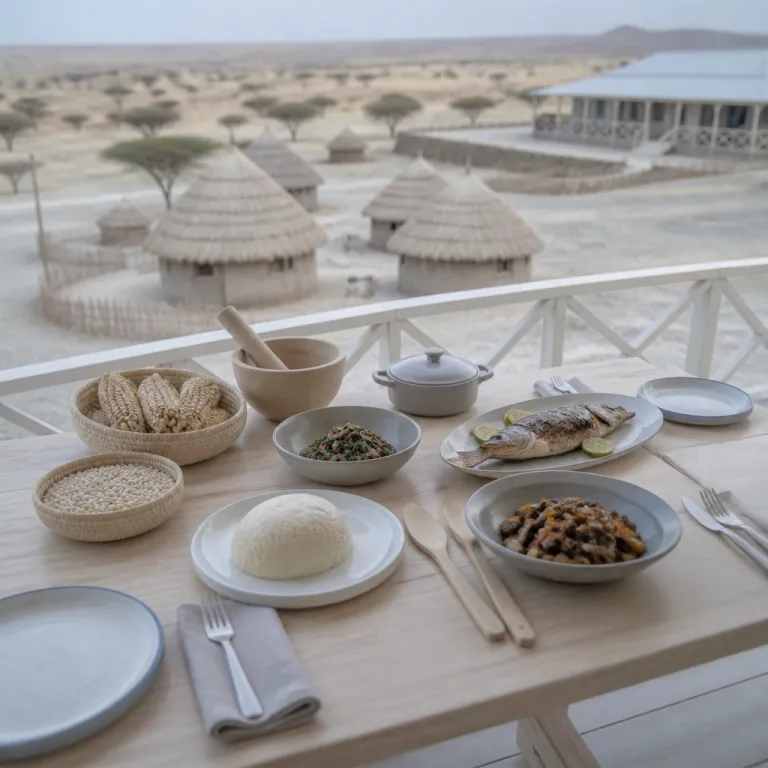
From game drive to kitchen fire: what a culinary safari really means
A culinary safari in East Africa begins where the usual game drive ends. Instead of heading straight back to a lodge for anonymous buffet food, you step into markets, village kitchens, and open fires that frame every dining experience. This shift turns the classic african safari into a layered cultural journey, where each meal becomes a safari experience in its own right.
At its core, a culinary safari East Africa food experiences itinerary still includes wildlife, but the lens changes and the focus moves from sightings to flavours, textures, and stories behind african food. You might track elephants in a national park at dawn, then spend the afternoon learning how slow cooked goat, maize, and wild greens sustain pastoralist communities in kenya and tanzania. The result is a richer form of travel across east Africa, where food culture explains why landscapes look the way they do and how people have adapted to them.
Operators now design gourmet safari routes that prioritise local ingredients and community kitchens over imported luxury. A day can start with a foraging walk guided by Maasai elders, continue with a hands on cooking session using those ingredients, and end with fine dining under acacia trees at one of the region’s leading safari lodges. This is not about chasing the best restaurants in africa, but about understanding how african cuisine, from humble street food to refined dishes, reflects resilience, climate, and history.
Inside the Maasai Mara: Cottar’s, Kiran Jethwa and the decolonised table
Nowhere shows this shift more clearly than Cottar’s 1920s Camp on the edge of the masai mara, where the savannah doubles as both wildlife corridor and pantry. Here, host Cottar’s 1920s Camp and chef Kiran Jethwa have built a culinary safari that treats the surrounding land as the first menu, not the last backdrop. Their approach turns a traditional african safari into an immersive dining experience that links every plate to a specific valley, herd, or season.
Guests join Jethwa on wild foraging walks, collecting herbs, roots, and other ingredients that later reappear in slow cooked stews, grilled meats, and bright relishes. Around the fire, one question often comes up from first time visitors : “What is a culinary safari?” and the answer is always the same ; “A travel experience combining food exploration with traditional safari activities.” That definition plays out in practice when a Maasai cultural meal is served beside the lodge, with elders explaining how each dish fits into rites of passage, grazing patterns, and the wider east African food culture.
The camp’s five night programme moves from welcome dinner to bush brunch and stargazing supper, each dining moment tied to a different aspect of local life. You might taste nyama choma grilled over acacia coals one evening, then sample lighter dishes built around foraged greens and grains the next, all while wildlife drifts past the lanterns. For readers interested in how local food tells the story of a safari destination, this style of itinerary mirrors the philosophy explored in community based food journeys across the continent.
From Nairobi to the Mara and on to Tanzania: how an East African culinary route unfolds
A well planned culinary safari East Africa food experiences journey often starts in Nairobi, where urban energy sets the tone. Here, restaurants such as Talisman weave indigenous greens like amaranth and spider plant into contemporary african cuisine, while the Nairobi Street Food Festival showcases elevated nyama choma, coastal samosas, and other street food favourites. This city stop allows you to taste how kenya’s food culture blends highland farms, coastal trade routes, and urban creativity before you fly out to the bush.
From the capital, many travellers connect to the masai mara, where lodges like Cottar’s anchor the safari experience in both wildlife and food. Days alternate between game drives and hands on cooking, with guests learning to prepare dishes that use local ingredients sourced from nearby communities and conservancies. This rhythm continues as you cross the border into tanzania, where the focus might shift toward spice rich coastal cuisine, highland coffee, and slow cooked stews that reflect different climates and histories within east Africa.
An itinerary that links kenya and tanzania can be structured around three or four key safari lodges, each chosen for its culinary strength as much as its wildlife access. One stop might emphasise gourmet safari tasting menus with thoughtful wine pairings, while another leans into rustic fireside dishes and market visits in a nearby national park gateway town. For context on how wildlife, culture, and nature intersect across this region, the broader perspective shared in in depth Kenya features helps frame why these food experiences matter beyond the plate.
Beyond the lodge gates: markets, farms and the economics of eating locally
The most meaningful culinary safari East Africa food experiences rarely stay inside lodge walls. Markets in towns bordering a national park, from Narok near the masai mara to Arusha in northern tanzania, reveal the real supply chains behind every safari meal. Walking these stalls with a guide, you see how local farmers, herders, and fishers underpin what later appears as gourmet dishes at safari lodges.
Farm visits deepen this understanding, whether you are meeting ostrich farmers near Nakuru or joining a tea plantation lunch in the highlands. These encounters show how food tourism can channel revenue directly to rural communities, rather than concentrating value only in the lodge economy. When a lodge commits to buying seasonal ingredients from nearby producers, every dining experience becomes a small investment in soil health, grazing practices, and long term resilience across east Africa.
For travellers, this means that choosing the best safari experience is not just about wildlife density or room design. It is also about asking how a property sources its african food, whether it supports local restaurants and street food vendors, and how transparently it shares those relationships. Some of the most rewarding itineraries now combine inland camps with coastal stays, echoing the approach highlighted in curated African coastal retreats that link sea, farm, and savannah into one continuous dining journey.
From Cape Town to the Lowveld: how southern Africa reframes safari cuisine
While east Africa leads many culinary safari conversations, south Africa has been quietly rewriting the script on what safari dining can be. In cape town, chefs draw on both indigenous ingredients and global techniques to create african cuisine that feels rooted yet forward looking. Tasting menus here often echo flavours you will later encounter in the bush, from wild herbs to slow cooked game, setting up a cross regional gourmet safari narrative.
Travel inland and properties such as royal malewane in the Greater Kruger area show how fine dining can coexist with serious wildlife guiding. Multi course dinners pair carefully chosen wine with dishes that reference local food culture, while daytime drives maintain a rigorous focus on tracking and behaviour rather than sundowner theatrics. This balance matters, because a credible african safari should never sacrifice field expertise for the sake of a showy dining experience, no matter how impressive the cuisine.
Comparing east African and south African approaches highlights how varied culinary safari East Africa food experiences can be across the continent. In kenya and tanzania, the emphasis often falls on pastoralist traditions, coastal spice routes, and community led cooking, while in south Africa the conversation expands to include decolonised menus and urban to bush tasting journeys. For the solo explorer, stitching these regions together into one extended safari experience offers a rare chance to taste how landscapes, histories, and lodges shape african food in ways no single restaurant could ever capture.
FAQ
What is included in a typical culinary safari itinerary?
A typical culinary safari combines wildlife viewing with structured food experiences such as market visits, foraging walks, and cooking classes. You can expect hosted meals with local families, guided tastings of regional dishes, and at least one bush dining experience under the stars. Many itineraries also include time in cities to explore restaurants and street food that frame the rural flavours you will meet on safari.
How does a culinary safari support local communities?
Culinary focused itineraries direct spending toward farmers, fishers, and small scale producers who supply ingredients to lodges and restaurants. When operators prioritise local sourcing and community kitchens, more of each traveller’s budget stays in the region instead of flowing to distant suppliers. Over time, this model strengthens rural economies, encourages sustainable land use, and creates incentives to protect wildlife habitats.
Who is Kiran Jethwa and what is his role in these experiences?
Kiran Jethwa is a Kenyan chef known for his expertise in bush foraging and wilderness cooking, and he collaborates with Cottar’s 1920s Camp in the masai mara. On culinary safaris there, he leads guests through foraging sessions, cooking demonstrations, and hosted meals that highlight indigenous ingredients. His work helps bridge the gap between traditional Maasai knowledge and contemporary african cuisine served at the lodge table.
Is a culinary safari suitable for solo travellers?
Culinary safaris work particularly well for solo travellers because shared meals and cooking sessions create natural points of connection. Group foraging walks, market tours, and communal tables at safari lodges make it easy to meet other guests without forced socialising. With professional guiding and structured activities, solo explorers can focus on food culture and wildlife while logistics and safety are handled by experienced teams.
How should I prepare and what should I pack for a food focused safari?
For a food centred safari, pack light, breathable clothing suitable for both game drives and informal dining, along with a warm layer for cool evenings. Insect repellent, a reusable water bottle, and closed shoes for market visits or foraging walks are essential. It also helps to bring a small notebook or digital journal to record recipes, ingredients, and stories you encounter along the way.
Sources
World Travel & Tourism Council ; Kenya Tourism Board ; Weekly Voice.