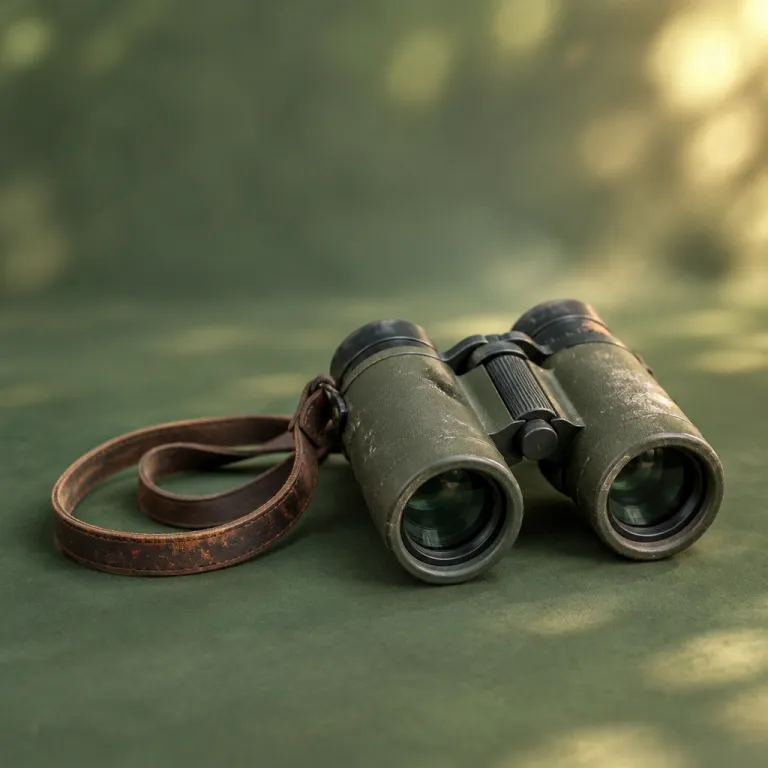
Why Etosha rewards the traveler who waits, not chases
Etosha National Park is built for the traveler who can sit still. On a self-drive safari in Etosha, Namibia, the network of waterholes concentrates wildlife so intensely that the best game viewing often happens when your vehicle is in park and your hands are off the wheel. A self-drive safari Etosha Namibia itinerary that focuses on fewer waterholes and longer waits usually exceeds expectations compared with a frantic road trip between empty pans.
The park’s gravel roads are well graded in the dry season, and a simple two wheel drive sedan is sufficient on the main routes according to the official Etosha National self-drive guide. That makes this national park unusually welcoming for a first solo safari trip, especially for a traveler starting in Windhoek and building a wider Namibia travel loop through Damaraland, the Namib Desert and the Waterberg Plateau. Over several days you learn that Etosha is less about chasing lions and more about reading the desert light, the dust and the tracks that gather around each waterhole.
Across Africa, demand is shifting from passive game viewing to more active and autonomous experiences, with immersive participation by travelers rising sharply according to recent safari industry data. A self-drive safari Etosha Namibia journey fits this trend perfectly, because you decide when to leave camp, which waterhole to commit to and how long to stay. That autonomy changes the emotional texture of the safari experience, turning every long quiet drive or patient wait into part of the story you are writing with the park itself.
Reading a waterhole: tracks, timing and the quiet logic of Etosha
At Etosha’s waterholes, the ground is a ledger of the previous night’s traffic. When you arrive on your self-drive safari in Etosha, Namibia, step out only in designated areas and study the dust for fresh tracks before you settle in for wildlife viewing. Multiple overlapping prints from adapted elephants, springbok and zebra tell you this is an active bar, while a single set of desert elephants tracks fading into the pan suggests the party has moved elsewhere.
The psychology is simple yet demanding, because the temptation is always to drive on to the next point on your map. Successful tours and safaris here are built around choosing one promising waterhole, ideally with shade and a clear view, then giving it at least two or three duration days across your trip rather than ticking off every name on the Etosha National Park board. Early mornings and the cool hours before sunset are prime, especially for rhinos that often approach cautiously as the heat bleeds out of the desert air.
On a longer Namibia travel circuit you might have tracked desert adapted elephants in Damaraland or walked among rock art in the Twyfelfontein area, but Etosha’s rhythm is different. Here the pan itself is the stage, and the waterholes are spotlit corners where the cast rotates hour by hour. If you have driven up from Windhoek via the Waterberg Plateau, you will feel the shift from that green escarpment to this stark white basin, and your safari instincts need to adapt just as desert elephants have adapted to the Namib Desert’s harsh logic.
For travelers drawn to quieter frontiers, the way you learn to read Etosha’s waterholes will also serve you in more remote conservation landscapes, such as the Congo Basin wilderness explored in our guide to a quiet Congo Basin safari frontier. The same patience, the same attention to spoor and wind, applies whether you are parked beside an Etosha waterhole or glassing a forest clearing far from Namibia. Once you internalise that logic, your self-drive safari Etosha Namibia days become less about distance covered and more about how well you read a single patch of ground.
Light, season and the Etosha pan as a character in your story
The Etosha pan is not a backdrop, it is a character that shapes every drive. In the dry months from roughly May to October, when the sky hardens to a pale blue and the horizon shimmers, the pan pulls animals towards the permanent waterholes that fringe its edge. Planning a self-drive safari Etosha Namibia itinerary in this season means you can rely on that gravitational pull, and your trip becomes a study in how wildlife negotiates distance, heat and thirst.
Morning light is clean and revealing, ideal for scanning the pan for distant shapes before you commit to a waterhole. By late morning the desert glare flattens everything, and this is when many travelers make the classic mistake of driving too much, chasing rumours of lions instead of letting the park’s logic work for them. Late afternoon restores depth and contrast, and this is when rhinos, elephants and sometimes big cats edge towards the water, turning a quiet day into one that exceeded expectations in a single hour.
Seasonal nuance matters, especially if your Namibia travel plans stretch beyond Etosha to the Namib Desert, Swakopmund or Walvis Bay. In the cooler months often around Apr to Jun, the air is crisp and the dust hangs longer, making tracks at waterholes easier to read and long drives less tiring. If you have already experienced the softer grasslands of East Africa, perhaps on a trip timed for the quieter months in the Maasai Mara as explored in our feature on what the Maasai Mara looks like when the herds have gone, Etosha’s stark pan will feel like a different continent entirely, even though it shares the same broad safari vocabulary.
Designing a self-drive route: from Windhoek to Etosha and beyond
Most self-drive safari Etosha Namibia journeys begin in Windhoek, where rental agencies are accustomed to kitting out travelers for gravel road conditions. From the capital, a direct drive to Etosha National Park takes most of a day, but many travelers sensibly break the trip with a night near the Waterberg Plateau to ease into the rhythm of Namibia travel. This first leg teaches you how the car feels on gravel, how long fuel stretches between settlements and how your own concentration ebbs and flows.
Once inside the park, resist the urge to turn every day into a marathon road trip across the entire reserve. Choose one or two sectors for each block of duration days, perhaps focusing on the central Okaukuejo area first, then shifting towards the eastern side near Onguma Private Game Reserve and the Onguma Bush camps. This structure lets you learn a handful of waterholes intimately, noticing how different species rotate through them at different times, rather than skimming the surface of dozens.
After Etosha, many itineraries arc west towards Damaraland, where desert adapted elephants move through dry riverbeds and ancient rock art panels glow in the late light. From there, the road often bends south to the Namib Desert, then to Swakopmund and Walvis Bay for a marine interlude that can include kayaking with seals or planning a future ocean wildlife trip using our guide to the best places and times to swim with whale sharks. By the time you loop back to Windhoek, the self-drive safari Etosha Namibia segment will likely stand out as the chapter where your confidence as a solo traveler deepened most.
Where to stay and how self-drive changes your wildlife encounters
Accommodation choices around Etosha shape how you experience the park’s waterholes and how your self-drive safari Etosha Namibia days unfold. Inside the national park, rest camps place you close to illuminated waterholes where wildlife viewing continues long after the last game drive vehicle has returned. Outside the gates, properties such as Onguma Private Game Reserve and its Onguma Bush camps offer a more secluded bush camp atmosphere with access to both private game drives and independent touring into Etosha National.
Self-drive changes your relationship with animals, because there is no guide’s radio crackling with news of a leopard and no convoy of vehicles converging on the same sighting. You arrive at a waterhole on your own timing, cut the engine and let the silence settle, and when a herd of adapted elephants or desert elephants approaches, the encounter feels earned rather than delivered. Many travelers report that this autonomy exceeded expectations, not because they saw more species than on guided tours and safaris elsewhere in Africa, but because each sighting felt more personal.
For a first timer, the combination of clearly marked roads, reliable maps and well managed national park infrastructure makes Etosha one of the best places in Namibia for a solo self-drive safari. You still need to respect distances, carry enough water and avoid driving after dark, yet the overall feeling is of a park designed to be read and navigated by independent travelers. Pair a few days of guided activities on a private game reserve with several days of pure self-drive inside Etosha, and you will understand how the same landscape can feel entirely different when you are the one at the wheel.
FAQ
Is Etosha suitable for a first time solo self-drive safari?
Etosha is one of the most suitable parks in Africa for a first time solo self-drive safari, because its main roads are well maintained gravel, the routes are clearly signposted and a standard two wheel drive vehicle is sufficient in the dry season. Camps are fenced, fuel is available at key hubs and staff are used to advising independent travelers. As long as you respect speed limits, stay on designated roads and plan conservative daily distances, the park balances adventure with a reassuring level of structure.
How many days should I plan for a self-drive safari in Etosha?
A minimum of three full days inside the park allows you to settle into the rhythm of waiting at waterholes rather than rushing between them. Four to five days is ideal for a self-drive safari Etosha Namibia itinerary, because it lets you explore at least two different sectors without turning each day into an exhausting road trip. If you are combining Etosha with Damaraland, the Namib Desert and the coast, consider a total Namibia travel duration of ten to fourteen days.
Do I need a 4x4 vehicle for Etosha in the dry season?
In the dry months, the main roads and most side loops in Etosha National Park are accessible in a regular two wheel drive sedan, as confirmed by the official park self-drive guidance. A 4x4 can be useful for extra clearance and comfort on corrugated sections, but it is not essential for reaching the classic waterholes and rest camps. The more important factors are good tyres, a recent service and a driver who is comfortable on gravel.
When is the best time of year for waterhole based wildlife viewing?
The dry season from roughly May to October is the best period for waterhole based wildlife viewing in Etosha, because animals are drawn to the remaining permanent sources of water. Months around Apr to Jun and into the cooler heart of the dry season offer crisp mornings, manageable daytime temperatures and excellent visibility around the pan. In the wetter months, the park is greener and beautiful, but wildlife is more dispersed and the waterhole strategy becomes less reliable.
How does self-drive wildlife viewing compare with guided game drives?
Guided game drives often produce more sightings in a shorter time, because experienced guides share information by radio and know where elusive species have been moving. Self-drive wildlife viewing in Etosha is slower and more contemplative, yet many travelers feel that the sense of agency and the quiet at a waterhole without other vehicles nearby outweigh the occasional missed sighting. A balanced Namibia travel plan might include both guided drives on a private game reserve and independent days inside the national park, so you benefit from each style.