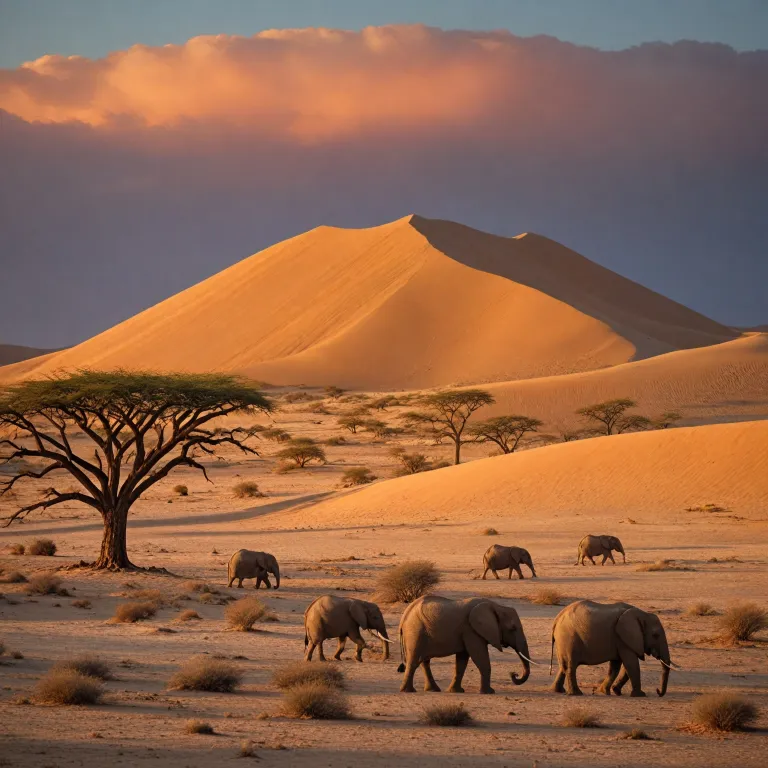
Unveiling the allure of Namibia desert safari tours: from sossusvlei dunes to wildlife encounters
Namibia desert safari tours offer a unique blend of adventure, serenity, and wildlife immersion. The vast expanse of the Namib Desert, one of the world’s oldest, sets the stage for unforgettable safaris. Travelers are drawn to the iconic sand dunes of Sossusvlei, where the interplay of light and shadow creates a photographer’s paradise. The dunes, some reaching heights of over 300 meters, are a testament to nature’s artistry and the enduring spirit of Africa.
Safari experiences in Namibia are defined by their diversity. Guided vehicle tours, self-drive safaris, and fly-in safaris each offer distinct perspectives on the landscape. The Namib-Naukluft National Park, covering 50,000 square kilometers, is a sanctuary for wildlife adapted to arid conditions. Oryx, springbok, and desert-adapted elephants roam freely, while the elusive predators of the region add an element of excitement to every game drive. The park’s vastness ensures that each safari feels intimate and exclusive.
Travelers often extend their journeys beyond the dunes, exploring destinations such as Damaraland and the Skeleton Coast. These regions are renowned for their rugged beauty and rare wildlife sightings. Namibia desert safari tours are not just about landscapes; they are about forging connections with nature and understanding the delicate balance that sustains life in the desert. The experience is enhanced by the expertise of Namibian tour operators, who prioritize sustainable practices and respect for local cultures.
Exploring sossusvlei and the magic of the namib desert
Sossusvlei stands as the crown jewel of the Namib Desert, captivating visitors with its towering dunes and stark beauty. The area is a focal point for Namibia desert safari tours, offering opportunities for sunrise hikes and panoramic views. Dune 7, rising to 383 meters, challenges adventurers to climb its sandy slopes for a breathtaking perspective of the desert expanse. The shifting colors of the dunes at dawn and dusk create a mesmerizing spectacle that lingers in memory.
The Namib Desert’s ecosystem is a marvel of adaptation. Wildlife such as oryx and springbok thrive in this harsh environment, relying on ancient survival strategies. Guided safaris through the dunes of Sossusvlei reveal the intricate web of life that persists despite the aridity. The region’s flora, including resilient succulents and camelthorn trees, adds subtle hues to the landscape. Namibia sossusvlei tours often include visits to Deadvlei, where ancient, desiccated trees stand as silent witnesses to the passage of time.
Travelers are encouraged to prepare for temperature variations, as days can be warm while nights bring a crisp chill. Packing lightweight clothing, sun protection, and sturdy footwear is essential for comfort and safety. "Essentials include lightweight clothing, sun protection, sturdy footwear, and sufficient water supplies." This expert advice ensures that every safari in the Namib Desert is both enjoyable and safe. For those seeking more information on planning their adventure, the Namibia travel guide provides comprehensive insights into the region’s highlights and practical tips.
Etosha national park: wildlife safaris and the spirit of africa
Etosha National Park is synonymous with Namibia wildlife safaris, offering a window into the continent’s rich biodiversity. The park’s vast salt pan, visible from space, is surrounded by grasslands and waterholes that attract a dazzling array of animals. Game drives in Etosha reveal herds of elephants, prides of lions, and the rare black rhino. The rhythm of life at the waterholes is a spectacle, with predators and prey sharing the same vital resource.
Namibia desert safari tours often include an extension to Etosha, allowing travelers to experience both desert and savannah ecosystems. The park’s infrastructure supports both guided and self-drive safaris, catering to a range of preferences. "Yes, with proper planning and adherence to safety guidelines, self-drive safaris are a popular and safe option." This assurance from experts highlights the accessibility and safety of exploring Etosha independently. The park’s lodges and campsites offer comfortable bases for multi-day adventures.
Etosha’s wildlife diversity is a major draw for nature enthusiasts. Birdwatchers are rewarded with sightings of over 340 species, while photographers capture dramatic moments at the edge of the pan. The park’s conservation efforts, overseen by the Ministry of Environment and Tourism Namibia, ensure that future generations can continue to marvel at its wonders. For those interested in extending their journey, the Etosha safari extension offers curated itineraries that maximize wildlife viewing opportunities.
Damaraland, skeleton coast, and the palmwag concession: untamed destinations
Damaraland and the Skeleton Coast represent the wild heart of Namibia, where dramatic landscapes and rare wildlife encounters await. Namibia desert safari tours to these regions reveal a world shaped by geological forces and time. Damaraland is famed for its desert-adapted elephants and ancient rock engravings, while the Skeleton Coast’s fog-shrouded shores tell stories of shipwrecks and survival. The Palmwag Concession, a vast private reserve, offers exclusive safaris in search of black rhino and other elusive species.
Travelers are drawn to these destinations for their sense of isolation and authenticity. Guided tours and self-drive safaris allow for flexible exploration, with each day bringing new discoveries. The region’s community-run campsites and lodges support sustainable tourism, ensuring that local people benefit from conservation efforts. "Book tours in advance, especially during peak season." This practical advice is especially relevant for those seeking to secure a place in these sought-after destinations.
Namibia desert safari tours in Damaraland and the Skeleton Coast are characterized by their emphasis on eco-friendly practices. Operators prioritize low-impact travel, minimizing disturbance to wildlife and habitats. The sense of adventure is heightened by the unpredictable nature of wildlife sightings and the ever-changing desert landscape.
Planning your namibia safari: practical tips for a seamless trip
Preparation is key to making the most of Namibia desert safari tours. The country’s vast distances and varied terrain require thoughtful planning, especially for those embarking on self-drive safaris. Ensuring vehicles are well-maintained and equipped for desert conditions is essential. Travel insurance is strongly recommended, providing peace of mind in case of unexpected events. Namibia’s roads are generally well-marked, but travelers should be prepared for gravel surfaces and occasional river crossings.
Choosing the right time to visit can enhance the safari experience. "The best time is during the dry season from June to October, offering cooler temperatures and optimal wildlife viewing." This period coincides with peak wildlife activity at waterholes and comfortable travel conditions. Shoulder seasons offer fewer crowds and unique photographic opportunities, while the low season brings dramatic skies and lush landscapes. Packing for temperature fluctuations, sun exposure, and long days on safari ensures comfort throughout the journey.
Visa requirements for Namibia vary by nationality, so it is advisable to check with the Namibian embassy or consulate before travel. "Visa requirements vary by nationality; it's advisable to check with the Namibian embassy or consulate prior to travel." Respecting local customs and wildlife guidelines is fundamental to responsible travel. Travelers are encouraged to engage with local communities, supporting initiatives that promote cultural preservation and economic development.
Eco-friendly safaris and sustainable travel in the namib desert
Namibia desert safari tours are at the forefront of sustainable tourism in Africa. Operators and travelers alike are increasingly committed to minimizing environmental impact and supporting conservation. The use of eco-friendly vehicles, solar-powered camps, and waste reduction initiatives are hallmarks of responsible safaris. Community partnerships ensure that tourism revenue benefits local people, fostering a sense of stewardship for the land and its wildlife.
The Namib Desert’s fragile ecosystem requires careful management. Safaris in the region adhere to strict guidelines to protect habitats and minimize disturbance to wildlife. The Namibian Ministry of Environment and Tourism plays a pivotal role in regulating activities within national parks and concessions. Travelers are encouraged to choose operators with a proven track record of sustainability and ethical practices. The growing popularity of self-drive safaris and digital booking platforms reflects a shift toward more personalized and eco-conscious travel experiences.
Namibia desert safari tours offer more than just adventure; they provide an opportunity to contribute to the preservation of one of Africa’s most extraordinary landscapes. By embracing sustainable travel principles, visitors help ensure that the dunes of Sossusvlei, the wildlife of Etosha, and the mysteries of the Skeleton Coast remain intact for generations to come.
Extending your journey: from cape town to victoria falls and beyond
Many Namibia desert safari tours are designed as part of broader African adventures, linking iconic destinations such as Cape Town and Victoria Falls. These extensions allow travelers to experience the full spectrum of southern Africa’s landscapes and cultures. The journey from the Namib Desert to the thundering waters of Victoria Falls is a study in contrasts, from arid dunes to lush riverine forests. Each destination offers its own unique attractions, from the vibrant city life of Cape Town to the awe-inspiring power of Victoria Falls.
Travelers can customize their itineraries to include highlights such as the dunes of Sossusvlei, the wildlife of Etosha National Park, and the remote beauty of Damaraland Etosha. Private safaris cater to those seeking exclusivity and personalized service, while group tours offer camaraderie and shared experiences. The flexibility of Namibia desert safari tours ensures that every trip is tailored to individual interests and preferences. For those seeking inspiration, curated itineraries and expert advice are readily available from Namibian tour operators and travel specialists.
Travel insurance is an essential consideration for multi-country journeys, providing coverage for unexpected events and peace of mind. The seamless integration of Namibia with neighboring destinations enhances the appeal of desert safaris, offering a gateway to the wonders of Africa. Whether embarking on a solo adventure or a family expedition, Namibia desert safari tours promise memories that endure long after the journey ends.
Key statistics on namibia desert safari tours
- Area of Namib-Naukluft National Park: 50,000 sq km
- Height of Dune 7: 383 meters
Frequently asked questions about namibia desert safari tours
What is the best time to visit Namibia for a desert safari?
The best time is during the dry season from June to October, offering cooler temperatures and optimal wildlife viewing.
Are self-drive safaris safe in Namibia?
Yes, with proper planning and adherence to safety guidelines, self-drive safaris are a popular and safe option.
What wildlife can I expect to see on a desert safari in Namibia?
Wildlife includes oryx, springbok, desert-adapted elephants, lions, and various bird species.
References: Namibian Tour Operators, Ministry of Environment and Tourism Namibia, Namibian Ministry of Environment and Tourism.