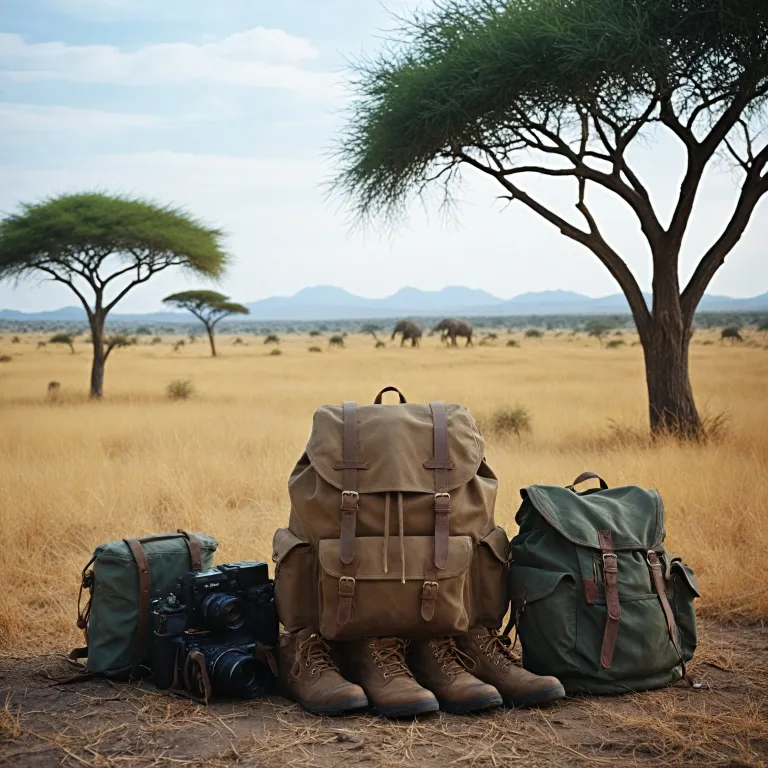
Understanding safari packing: The foundation of a successful adventure
Preparing for a safari requires careful consideration of what to pack, as the right choices can elevate your experience. The unique environment of Africa, especially during game drives and walking safaris, demands a thoughtful packing list. Lightweight, moisture wicking clothes in earth tones are essential for blending into the landscape and staying comfortable. Packing both long sleeves and pants offers protection from the sun and insects, while closed toe shoes are crucial for safety during excursions.
When selecting your safari clothing, prioritize items that are versatile and easy to layer. A lightweight, water resistant jacket is invaluable for early morning game drives or unexpected rain. Many camps lodges offer laundry service, allowing you to pack fewer clothes and keep your luggage manageable. Remember to include insect repellent and high-SPF sunscreen, as these are vital for personal comfort and health throughout your trip.
Soft-sided luggage is recommended for safaris due to limited space in vehicles. Your bag should be large enough for essentials but compact enough to stow easily. Don’t forget to bring memory cards for your camera, as the wildlife and landscapes of an African safari will fill them quickly. For those traveling to renowned destinations like the Masai Mara or South Africa, a well-organized packing list ensures you are prepared for every day of adventure.
Choosing the right clothes and gear for African safaris
Clothing selection is a critical aspect of safari packing, impacting both comfort and safety. Opt for safari clothes in earth tones such as khaki, olive, and brown, which help you blend into the environment and avoid attracting unwanted attention from wildlife. Lightweight, moisture wicking fabrics keep you cool during hot days and dry quickly after washing. Long sleeves and pants provide an extra barrier against the sun and biting insects, making them indispensable for any safari packing list.
Layering is key, as temperatures can fluctuate dramatically between day and night. A water resistant jacket is perfect for chilly mornings or sudden showers, while a hat and sunglasses shield you from the intense African sun. Closed toe shoes are a must for walking safaris and exploring rugged terrain. Many travelers underestimate the importance of packing multiple pairs of socks and underwear, especially when laundry service is limited or unavailable.
Essential gear extends beyond clothing. Bring insect repellent, sunscreen, and a reusable water bottle to stay hydrated during long game drives. A compact bag for daily excursions keeps your camera, binoculars, and other essentials within reach. For those planning to visit the Masai Mara or embark on extended trips in South Africa, a comprehensive packing list ensures you have everything needed for a seamless adventure. For more detailed recommendations on safari clothing and gear, visit our expert safari packing guide.
Organizing your luggage: Smart strategies for efficient travel
Efficient packing begins with selecting the right luggage for your safari adventure. Soft-sided bags are preferred for their flexibility and ease of storage in safari vehicles. When preparing your packing list, focus on items that serve multiple purposes and can be easily layered. Lightweight, moisture wicking clothes in earth tones are ideal for both comfort and practicality, while a water resistant jacket is essential for unpredictable weather.
Divide your clothes and gear into categories: safari clothing, personal items, and electronics. Use packing cubes or compression bags to maximize space and keep your luggage organized. Remember to include insect repellent, sunscreen, and a small first aid kit for added safety. Many camps lodges offer laundry service, allowing you to pack fewer clothes and reduce the weight of your bag.
For photographers, extra memory cards and batteries are crucial for capturing the beauty of African safaris. Closed toe shoes and long sleeves provide protection during game drives and walking safaris. If your trip includes multiple destinations, such as the Masai Mara and South Africa, tailor your packing list to accommodate varying climates and activities. For further insights on organizing your luggage for safari travel, explore our comprehensive safari travel checklist.
Day-to-day essentials: What to bring for comfort and safety
Each day on safari presents new challenges and opportunities, making a well-prepared packing list indispensable. Start with lightweight, moisture wicking clothes in earth tones, which are suitable for both day and night activities. Long sleeves and pants protect against sunburn and insect bites, while a water resistant jacket offers comfort during early morning or evening game drives.
Personal comfort items such as insect repellent, sunscreen, and a reusable water bottle are non-negotiable. Bring a hat, sunglasses, and closed toe shoes for added protection during outdoor activities. Many travelers find that a compact bag for daily excursions helps keep essentials like cameras, binoculars, and memory cards organized and accessible.
For hygiene, pack travel-sized shampoo conditioner and personal toiletries, as amenities may be limited in remote camps lodges. Laundry service is often available, but it’s wise to bring enough underwear and socks for several days. When preparing for a safari in Africa, especially in regions like the Masai Mara or South Africa, a detailed packing list ensures you are ready for every aspect of your adventure.
Adapting your packing list for different African destinations
African safaris vary greatly depending on the region, climate, and type of activities planned. In the Masai Mara, lightweight, earth tone clothes and a water resistant jacket are crucial for early morning game drives. South Africa’s diverse landscapes may require additional layers, especially during cooler months. Always consult your safari packing list to ensure you have the right clothes and gear for each destination.
Consider the availability of laundry service at camps lodges, which can influence how many clothes you need to pack. Insect repellent is essential in areas with high mosquito activity, while sunscreen and a hat protect against the strong African sun. Closed toe shoes and long sleeves are recommended for walking safaris and exploring rugged terrain.
For photographers, extra memory cards and batteries are indispensable for capturing the diverse wildlife and landscapes. A compact bag for daily excursions keeps your essentials organized and accessible. Whether you are traveling to the Masai Mara, South Africa, or another African destination, a well-prepared packing list ensures a comfortable and enjoyable safari experience.
Expert tips and frequently overlooked items for safari packing
Even experienced travelers can overlook important items when preparing for a safari adventure. Moisture wicking clothes, a water resistant jacket, and earth tone safari clothing are often underestimated in their importance. Closed toe shoes and long sleeves provide essential protection during game drives and walking safaris. Insect repellent and sunscreen are vital for comfort and health, especially in remote African regions.
Many camps lodges offer laundry service, but it’s wise to bring enough underwear and socks for several days. Travel-sized shampoo conditioner and personal toiletries are recommended, as amenities may be limited. A compact bag for daily excursions keeps your camera, binoculars, and memory cards organized and within reach.
As one expert notes, "Safaris are generally safe when conducted with reputable operators who follow safety protocols; always adhere to guidelines provided by your guides." This advice underscores the importance of choosing reliable safari tour operators and following their recommendations. For those planning a trip to the Masai Mara, South Africa, or other African destinations, a comprehensive packing list is the key to a successful and enjoyable safari adventure.
Key statistics for safari adventure packing essentials
- Average daily temperature in Nairobi, Kenya: 25°C (77°F)
- 80% of safari tourists visit Africa annually
Frequently asked questions about safari adventure packing essentials
What is the best time of year to go on a safari?
The best time varies by region; generally, the dry season offers better wildlife viewing as animals gather around water sources.
Do I need vaccinations before going on a safari?
Yes, vaccinations such as yellow fever and medications like anti-malarials are often recommended; consult with a travel health specialist.
Is it safe to go on a safari?
Safaris are generally safe when conducted with reputable operators who follow safety protocols; always adhere to guidelines provided by your guides.
References:
- National Geographic
- World Tourism Organization
- African Wildlife Foundation