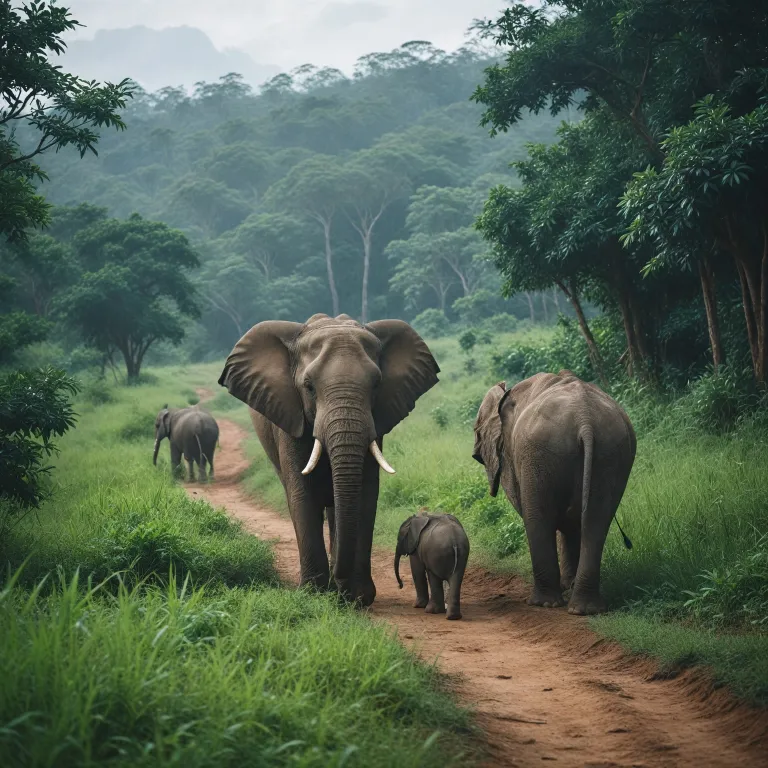
Understanding elephant safari in Sri Lanka: habitats, parks, and conservation
Elephant safari in Sri Lanka offers a profound connection with the island’s remarkable wildlife. The country’s national parks, such as Udawalawe, Minneriya, Kaudulla, and Yala, are celebrated for their thriving elephant populations. These parks provide a sanctuary for elephants and other animals, making them some of the best places for wildlife observation in Asia. The Department of Wildlife Conservation oversees these national parks, ensuring the protection of elephants and their habitats. Visitors to parks in Sri Lanka can expect to see elephants in their natural environment, often in large herds, especially during the best time to visit, which is the dry season from November to March. During this period, elephants gather around water sources, offering exceptional safari experiences. The landscape of Sri Lanka’s national parks is diverse, ranging from grasslands to wetlands, supporting a rich variety of animals. Kaudulla National Park and Minneriya National Park are renowned for the annual gathering of elephants, a spectacle unmatched elsewhere. Jeep safaris are the preferred method for exploring these parks, allowing guests to traverse the terrain safely and respectfully. The use of eco-friendly vehicles and sustainable tourism practices is increasingly common, reflecting a commitment to conservation. Ethical wildlife tourism is a growing trend, with operators prioritizing the welfare of elephants and the integrity of their habitats. The presence of elephants in Sri Lanka’s parks is a testament to ongoing conservation efforts, supported by organizations such as the Udawalawe Elephant Transit Home and the Millennium Elephant Foundation. These initiatives not only protect elephants but also educate visitors about the importance of wildlife conservation. For those seeking an authentic lanka safari, understanding the role of national parks and the significance of elephant populations is essential. The experience is further enriched by the opportunity to observe elephants at different times of day, with early morning and late afternoon safaris offering unique perspectives on their behavior. As you plan your safari Sri Lanka adventure, consider the impact of your visit and the importance of supporting ethical and sustainable practices.
Planning your elephant safari: best time, routes, and practical tips
When organizing an elephant safari in Sri Lanka, timing is crucial for maximizing wildlife sightings. The best time to visit national parks such as Udawalawe, Minneriya, and Kaudulla is during the dry season, when elephants congregate near water sources. Early morning and late afternoon are optimal for observing elephants and other animals, as temperatures are cooler and wildlife is more active. Planning your route involves selecting the right national park based on the season and your interests. Minneriya National Park is famous for the annual elephant gathering, while Kaudulla National Park offers similar experiences with fewer crowds. Udawalawe National Park is renowned for its consistent elephant sightings throughout the year. Yala National Park, although known for leopards, also hosts significant elephant populations. Habarana serves as a convenient base for exploring multiple parks in the region. Booking your safari in advance is recommended, especially during peak seasons, to secure the best guides and jeep tours. Neutral-colored clothing helps you blend into the environment, minimizing disturbance to wildlife. Binoculars and cameras are essential tools for capturing the beauty of elephants Sri Lanka is known for. Local tour operators often collaborate with conservation organizations to ensure ethical practices. The use of 4x4 vehicles allows for safe navigation through diverse terrains, from grasslands to forests. Following guidelines provided by your guide is vital for both safety and the protection of animals. Many operators now emphasize sustainable tourism, using eco-friendly jeeps and limiting group sizes. For a comprehensive guide to planning your safari, explore this detailed resource on Sri Lanka wildlife travel. By preparing thoughtfully, you enhance your experience and contribute positively to the preservation of Sri Lanka’s national parks and their inhabitants.
National parks of Sri Lanka: unique features and elephant populations
Sri Lanka’s national parks are diverse, each offering distinct landscapes and wildlife experiences. Udawalawe National Park is celebrated for its open grasslands and large herds of elephants, making it one of the best places for elephant safari in Sri Lanka. The park’s proximity to the Udawalawe Elephant Transit Home allows visitors to witness conservation efforts firsthand. Minneriya National Park is renowned for the “Gathering,” where hundreds of elephants congregate during the dry season. This spectacle is a highlight of any safari Sri Lanka itinerary. Kaudulla National Park, located near Minneriya, provides similar opportunities with fewer visitors, enhancing the sense of exclusivity. Yala National Park, while famous for its leopards, also boasts a healthy elephant population and varied habitats, from lagoons to dense forests. Habarana is strategically located between these parks, making it an ideal starting point for multi-park safaris. Each park in Sri Lanka is managed by the Department of Wildlife Conservation, ensuring the protection of elephants and other animals. The parks are home to a variety of species, including deer, buffalo, and numerous bird species, enriching the safari experience. Jeep safaris are the standard mode of exploration, offering both comfort and safety. The best time to visit these national parks is during the dry months, when wildlife is more visible. Early morning and late afternoon drives provide the best light for photography and increased chances of animal encounters. For those interested in a comprehensive overview of Sri Lanka’s protected areas, consult this guide to national parks in Sri Lanka. The diversity of national parks ensures that every lanka safari offers a unique perspective on the country’s rich wildlife heritage. Ethical tourism practices are emphasized throughout, with a focus on minimizing human impact and supporting conservation initiatives. The presence of elephants in these parks is a testament to successful management and ongoing efforts to mitigate human-elephant conflict. Whether visiting Udawalawe, Minneriya, Kaudulla, or Yala, each park offers a distinct and memorable elephant safari experience.
Wildlife encounters beyond elephants: animals and ecosystems in Sri Lanka’s parks
While elephant safari in Sri Lanka is a primary draw, the national parks are teeming with diverse wildlife. In addition to elephants, visitors may encounter animals such as leopards, sloth bears, sambar deer, and water buffalo. The parks’ ecosystems range from wetlands and grasslands to dense forests, supporting a rich variety of flora and fauna. Yala National Park is particularly renowned for its leopard population, while Udawalawe is home to a wide array of bird species. Minneriya and Kaudulla national parks are vital habitats for migratory birds, making them popular among birdwatchers. The presence of multiple animal species enhances the safari experience, offering opportunities to observe complex interactions within the ecosystem. Jeep safaris allow guests to explore different habitats within the parks, increasing the likelihood of wildlife sightings. The best time for observing animals is typically early morning or late afternoon, when temperatures are cooler and wildlife is more active. Conservation organizations work closely with the Department of Wildlife Conservation to monitor animal populations and protect habitats. The use of eco-friendly vehicles and adherence to ethical guidelines ensures that wildlife encounters are both safe and sustainable. For those seeking a deeper understanding of Sri Lanka’s ecosystems, guided tours provide valuable insights into the interdependence of species. The parks’ diverse landscapes are a testament to the country’s commitment to preserving its natural heritage. By respecting park regulations and supporting conservation efforts, visitors contribute to the ongoing protection of Sri Lanka’s wildlife. The richness of Sri Lanka’s national parks ensures that every safari offers more than just elephant sightings, providing a holistic view of the island’s biodiversity.
Ethical and sustainable safari practices: supporting conservation and local communities
Ethical considerations are central to the elephant safari experience in Sri Lanka. Many safari operators adhere to strict guidelines to ensure the welfare of elephants and the preservation of their habitats. Activities such as elephant riding are avoided, with a focus on observing animals in their natural environment. The Department of Wildlife Conservation plays a key role in regulating tourism and enforcing ethical standards. Conservation facilities like the Udawalawe Elephant Transit Home and the Millennium Elephant Foundation are instrumental in rehabilitating orphaned elephants and promoting awareness. These organizations collaborate with local communities to create sustainable livelihoods through wildlife tourism. The use of eco-friendly jeeps and the promotion of responsible visitor behavior are increasingly common. Tour operators educate guests on minimizing disturbance to animals and respecting park regulations. Ethical tourism not only protects wildlife but also supports local economies by providing employment opportunities. The growing interest in sustainable practices reflects a broader commitment to conservation. Visitors are encouraged to choose operators who prioritize animal welfare and environmental stewardship. By supporting ethical safari experiences, travelers contribute to the long-term protection of Sri Lanka’s national parks and their inhabitants. The impact of responsible tourism extends beyond the parks, fostering a culture of conservation throughout the country. For those seeking an authentic and meaningful safari Sri Lanka adventure, ethical considerations should be at the forefront of planning. The collaboration between conservation organizations, government agencies, and local communities is essential for the continued success of elephant safari in Sri Lanka. By making informed choices, visitors play a vital role in safeguarding the future of the island’s wildlife.
Expert insights and practical advice for your safari Sri Lanka adventure
Expert guidance enhances the elephant safari experience, ensuring both safety and enjoyment. Local guides possess in-depth knowledge of the parks, animal behavior, and optimal viewing times. Their expertise is invaluable for navigating the diverse landscapes of Sri Lanka’s national parks. The use of 4x4 jeeps allows for access to remote areas, increasing the chances of wildlife sightings. Binoculars and cameras are essential for capturing memorable moments without disturbing animals. Following the advice of your guide is crucial for both safety and the protection of wildlife. Booking safaris in advance is recommended, particularly during the best time to visit, to secure experienced guides and quality vehicles. Neutral-colored clothing helps minimize your presence, allowing for closer observation of elephants and other animals. The Department of Wildlife Conservation provides guidelines to ensure ethical and responsible behavior within the parks. As stated in the expert quote: “The best time is during the dry season, from November to March, when wildlife sightings are more frequent.” This advice is echoed by local operators and conservationists, emphasizing the importance of timing for a successful safari. Choosing operators who collaborate with conservation organizations ensures that your visit supports ongoing protection efforts. The integration of eco-friendly practices, such as the use of sustainable vehicles, reflects a commitment to minimizing environmental impact. For those seeking a comprehensive and rewarding safari Sri Lanka experience, expert insights and practical preparation are key. By respecting local customs and park regulations, visitors contribute to the preservation of Sri Lanka’s unique wildlife heritage. The combination of expert guidance, ethical practices, and thoughtful planning ensures a memorable and impactful elephant safari adventure.
Key statistics: elephant populations and conservation in Sri Lanka
- Estimated elephant population in Sri Lanka: 6,000 elephants (Department of Wildlife Conservation)
- Number of elephants killed by train collisions: 9 elephants (Associated Press)
Frequently asked questions about elephant safari in Sri Lanka
What is the best time to go on an elephant safari in Sri Lanka?
The best time is during the dry season, from November to March, when wildlife sightings are more frequent.
Are elephant safaris in Sri Lanka ethical?
Yes, many operators follow ethical guidelines, avoiding activities like elephant riding and ensuring minimal disturbance to the animals.
Which national parks in Sri Lanka are best for elephant safaris?
Udawalawe, Minneriya, and Kaudulla National Parks are renowned for their elephant populations and safari experiences.