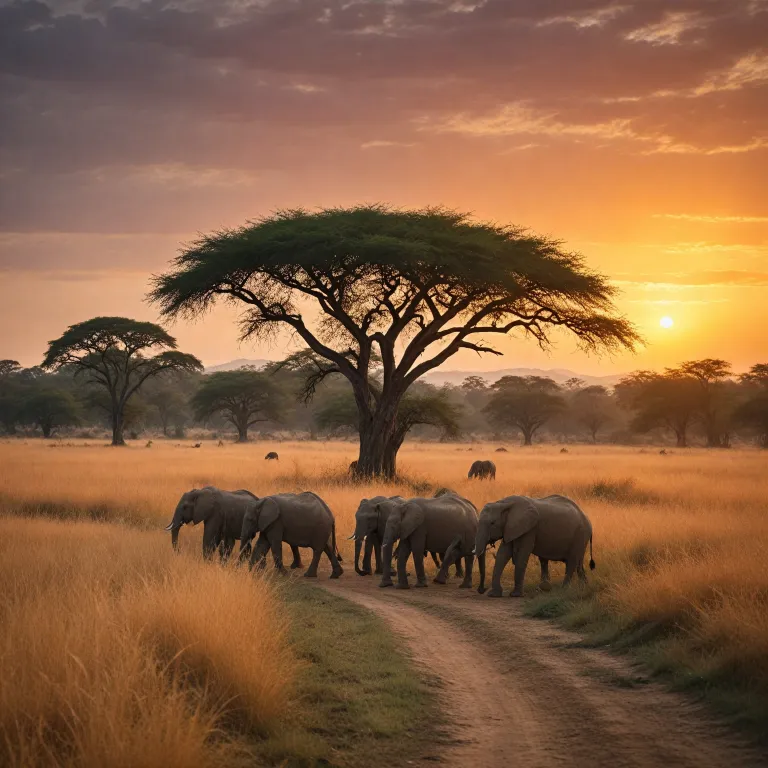
Unveiling the essence of walking safaris in Zambia’s national parks
Walking safaris in Zambia offer an unparalleled opportunity to experience Africa’s wild heart on foot. Unlike traditional game drives, these safaris immerse you in the sights, sounds, and scents of the bush, allowing for intimate encounters with wildlife and the landscape. Zambia’s national parks, particularly South Luangwa National Park and Lower Zambezi National Park, are renowned for their pristine wilderness and rich biodiversity. The Luangwa Valley, with its meandering Luangwa River, forms the backdrop for many unforgettable walking safaris. Here, you can observe herds of elephants, prides of lions, and elusive leopards while accompanied by professional walking guides and Zambian Wildlife Authority scouts. The focus on safety and expertise is paramount, ensuring that every walking safari in Zambia is both thrilling and secure.
South Luangwa is often considered the birthplace of the walking safari, with iconic safari camps such as Nkwali Camp, Tena Camp, and Nsefu Camp offering tailored experiences. These camps are strategically located along the Luangwa River, providing easy access to prime game viewing areas. The best time for walking safaris in Zambia is during the dry season, from May to November, when wildlife congregates around water sources and the bush is less dense. This period also coincides with the peak of mobile walking safaris, where guests traverse up to 10 kilometers per day between bush camps, guided by experts like Jason Alfonsi and the renowned Robin Pope. The combination of expert guidance, small group sizes, and the raw beauty of Zambia’s parks makes each walking safari a unique adventure.
Walking safaris in Zambia are not only about wildlife sightings but also about understanding the intricate relationships within the ecosystem. Guides share insights into animal tracks, bird calls, and the medicinal uses of native plants. The immersive nature of these safaris fosters a deep appreciation for conservation and sustainable tourism, aligning with Zambia’s commitment to preserving its natural heritage. Whether you choose a classic safari camp or a mobile walking experience, the essence of Zambia walking safaris lies in their authenticity and connection to the land.
South Luangwa: the heart of Zambia’s walking safari tradition
South Luangwa National Park stands as the epicenter of walking safaris in Zambia, drawing enthusiasts from around the globe. The park’s diverse habitats, from riverine forests to open plains, support a remarkable array of wildlife, including buffalo, giraffe, and the endemic Thornicroft’s giraffe. Walking safaris in South Luangwa are meticulously organized by leading safari operators, who collaborate with professional walking guides and ZAWA scouts to ensure safety and enrich the experience. The maximum group size is typically six people, fostering an intimate atmosphere where every participant can engage with the guide and the environment.
Safari camps such as Nkwali Camp and Tena Camp serve as ideal bases for exploring the park on foot. These camps are positioned along the Luangwa River, offering guests the chance to witness wildlife coming to drink at dawn and dusk. The proximity to the river enhances the likelihood of encountering hippos, crocodiles, and a variety of bird species. Mobile walking safaris, a hallmark of the South Luangwa experience, allow guests to journey between bush camps, spending each night in a different location. This approach not only maximizes wildlife encounters but also provides a sense of adventure and discovery.
For those seeking a deeper connection to the bush, the expertise of guides like Jason Alfonsi and the legacy of Robin Pope are invaluable. Their knowledge of animal behavior, tracking techniques, and the nuances of the Luangwa Valley landscape elevate every walking safari. The park’s commitment to conservation and sustainable tourism is evident in its low-impact approach, ensuring that each safari supports the long-term health of the ecosystem. For more information on planning a safari trip to South Luangwa, visit South Luangwa safari planning.
Mobile walking safaris: traversing the Luangwa Valley on foot
Mobile walking safaris represent the pinnacle of adventure in Zambia’s Luangwa Valley. These multi-day journeys take guests deep into the heart of the national park, moving between remote bush camps and following the course of the Luangwa River. Each day, participants walk up to 10 kilometers, guided by seasoned professionals who interpret the landscape and track wildlife. The rhythm of walking allows for a slower, more contemplative pace, where even the smallest details—such as the scent of wild sage or the call of a distant fish eagle—become memorable highlights.
Safari operators like Robin Pope and Jason Alfonsi have perfected the art of mobile walking safaris, combining comfort with authenticity. Camps are set up in secluded locations, offering simple yet elegant accommodations that blend seamlessly with the environment. Evenings are spent around the campfire, sharing stories and reflecting on the day’s sightings. The mobile walking safari experience is enhanced by the presence of ZAWA scouts, who ensure safety and provide valuable insights into the region’s conservation efforts.
The Luangwa Valley’s varied terrain, from mopane woodlands to open floodplains, supports a rich diversity of game. Encounters with elephants, buffalo, and antelope are common, while the elusive leopard and wild dog add an element of excitement. The mobile walking safari format encourages a deeper engagement with the landscape, fostering a sense of stewardship and respect for Zambia’s natural heritage. For those interested in exploring the Luangwa Valley on foot, detailed itineraries and booking information can be found at Luangwa Valley walking safari details.
Essential preparation for a Zambia walking safari adventure
Preparation is key to maximizing your walking safari experience in Zambia. The physical demands of walking up to 10 kilometers per day require a reasonable level of fitness, as the terrain can vary from sandy riverbanks to rocky outcrops. Comfortable, earth-toned clothing is recommended to blend with the natural surroundings and minimize disturbance to wildlife. Sturdy walking shoes, a wide-brimmed hat, and sunblock are essential for protection against the African sun. Binoculars enhance wildlife viewing, allowing for close observation without disturbing the animals.
Safety is a top priority on all Zambia walking safaris. Professional walking guides and ZAWA scouts accompany every group, ensuring that participants follow established protocols and remain vigilant. As stated in the dataset, “Yes, when conducted with professional guides and armed scouts, walking safaris are generally safe. However, it's important to follow all safety instructions.” This emphasis on safety is reinforced by the expertise of guides, who are trained in animal behavior and emergency procedures. Group sizes are kept small, typically no more than six people, to maintain control and facilitate communication.
Children under the age of 12 are generally not permitted on walking safaris, reflecting the need for maturity and discipline in potentially unpredictable situations. Hydration is crucial, and guests are encouraged to carry water bottles and take regular breaks. The best time for walking safaris in Zambia is during the dry season, when wildlife is more concentrated and the risk of encountering dangerous animals is minimized.
Iconic safari camps and bush camps: where to stay in Zambia’s wild heart
Zambia’s safari camps and bush camps are integral to the walking safari experience, offering comfort and immersion in the heart of the wilderness. Nkwali Camp, Tena Camp, and Nsefu Camp are among the most celebrated options in the South Luangwa region. These camps are strategically located along the Luangwa River, providing direct access to prime game viewing areas and walking safari routes. Each camp is designed to minimize environmental impact while maximizing guest comfort, with amenities such as en-suite bathrooms, open-air dining, and panoramic views of the bush.
Bush camps, often used for mobile walking safaris, offer a more rustic yet equally rewarding experience. Set in remote locations, these camps allow guests to connect with nature on a deeper level. Evenings are spent under the stars, listening to the sounds of the African night and sharing stories around the campfire. The presence of professional guides and ZAWA scouts ensures that safety is never compromised, even in the most secluded settings.
The combination of fixed safari camps and mobile bush camps allows for a flexible and dynamic itinerary. Guests can choose to spend several nights in one location or embark on a multi-day journey through the Luangwa Valley. The expertise of operators like Robin Pope and Jason Alfonsi guarantees a seamless experience, with every detail meticulously planned. Whether you prefer the comfort of a safari camp or the adventure of a bush camp, Zambia’s accommodation options cater to every preference and style of travel.
Wildlife encounters and conservation on Zambia walking safaris
Wildlife encounters are at the heart of every Zambia walking safari, offering guests the chance to observe animals in their natural habitat without the barrier of a vehicle. The Luangwa National Park and Lower Zambezi National Park are home to a staggering variety of species, from large mammals such as elephants and buffalo to smaller creatures like mongoose and bushbuck. Birdlife is equally impressive, with over 400 species recorded in the region. The proximity to the Luangwa River enhances the diversity of sightings, as animals gather to drink and forage along its banks.
Conservation is a central theme of walking safaris in Zambia. By traveling on foot and minimizing environmental impact, guests contribute to the preservation of fragile ecosystems. Guides educate participants about the importance of sustainable tourism and the role of protected areas in safeguarding biodiversity. The presence of ZAWA scouts underscores the commitment to responsible wildlife viewing, ensuring that both guests and animals remain safe. The immersive nature of walking safaris fosters a sense of connection and responsibility, inspiring many to support conservation initiatives long after their trip has ended.
Safari operators in Zambia are at the forefront of conservation efforts, working closely with local communities and authorities to protect the region’s natural resources. Initiatives such as anti-poaching patrols, habitat restoration, and community education are integral to the long-term success of the parks. By choosing a walking safari in Zambia, guests become part of a broader movement to preserve Africa’s wild places for future generations.
Expert guides, safety protocols, and the future of walking safaris in Zambia
The success of walking safaris in Zambia is built on the expertise of professional walking guides and the support of ZAWA scouts. These individuals undergo rigorous training in tracking, animal behavior, and first aid, ensuring that every safari is conducted to the highest standards of safety and professionalism. The collaboration between safari operators, guides, and local authorities creates a robust framework for delivering exceptional experiences. As the dataset notes, “Professional Walking Guides” and “Zambian Wildlife Authority (ZAWA) Scouts” play crucial roles in ensuring both safety and educational value on every walking safari.
Innovation continues to shape the future of Zambia walking safaris, with trends such as combining walking safaris with fly camping gaining popularity. This approach allows guests to spend nights under canvas in remote locations, deepening their connection to the landscape. The emphasis on small group sizes, personalized itineraries, and sustainable practices ensures that Zambia remains a leader in immersive safari experiences. The growing interest in walking safaris reflects a broader shift toward authentic, low-impact travel that prioritizes conservation and community engagement.
Looking ahead, the continued success of walking safaris in Zambia will depend on maintaining high standards of safety, training, and environmental stewardship. The commitment of operators like Robin Pope, Jason Alfonsi, and the dedicated teams at safari camps and bush camps ensures that every guest enjoys the best possible experience. As more travelers seek meaningful connections with nature, Zambia’s walking safaris stand out as a model for responsible and rewarding adventure travel.
Key statistics on walking safaris in Zambia
- The best time for walking safaris in Zambia spans six months, from May to November.
- Maximum group size for walking safaris is typically six people, ensuring an intimate experience.
- Typical walking distance per day on a mobile walking safari is 10 kilometers.
Frequently asked questions about walking safaris in Zambia
What is the best time of year for walking safaris in Zambia?
The dry season, from May to November, is ideal for walking safaris due to clearer paths and concentrated wildlife.
Are walking safaris safe?
Yes, when conducted with professional guides and armed scouts, walking safaris are generally safe. However, it's important to follow all safety instructions.
How physically demanding are walking safaris?
Walking safaris require a reasonable level of fitness, as they involve walking several kilometers over varying terrain.
References: naturalhighsafaris.com, shentonsafaris.com, responsiblevacation.com