Serengeti and Maasai Mara: the heart of the great migration
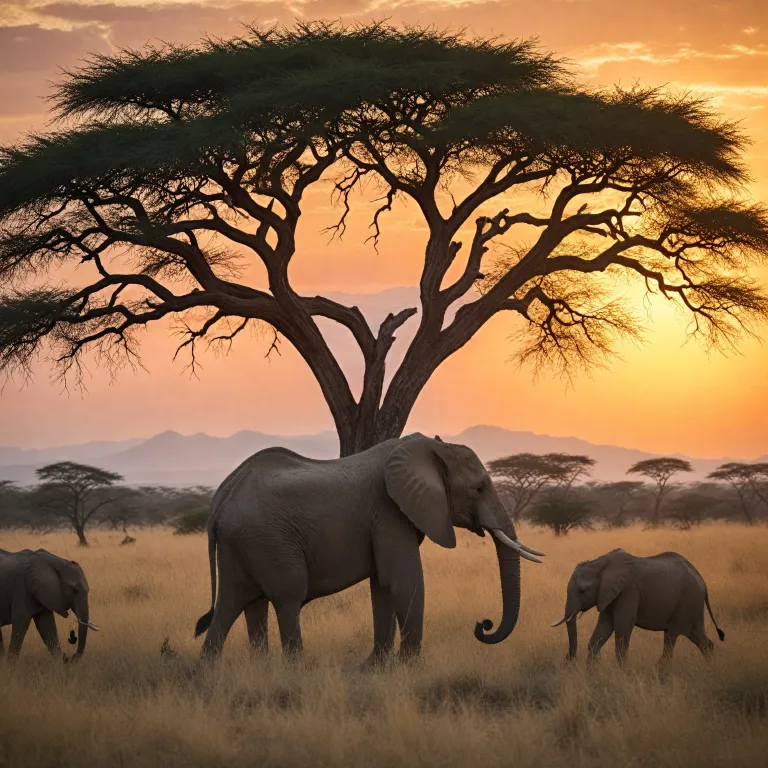
The Serengeti National Park in Tanzania and the Maasai Mara National Reserve in Kenya form the epicenter of Africa’s most dramatic wildlife spectacle—the great migration. Each year, millions of wildebeest, zebras, and gazelles traverse these parks, braving rivers and predators in search of fresh grazing. The best time to witness this awe-inspiring movement is during the dry season, from June to October, when animals concentrate around water sources and river crossings become scenes of intense drama. Game drives in the Serengeti and Mara offer unparalleled opportunities to observe lions, elephants, and even elusive wild dogs. The river crossings, particularly at the Mara River, are legendary for their intensity and the sheer number of animals involved. For those seeking an immersive African safari, these parks are essential, offering both the scale of the migration and the intimacy of close wildlife encounters. The region’s open plains also make it ideal for spotting cheetahs and large herds of elephants.Kruger National Park: South Africa’s iconic wildlife haven
Kruger National Park stands as South Africa’s flagship destination for safari enthusiasts. Spanning nearly 20,000 square kilometers, Kruger is home to the famed Big Five—lion, leopard, elephant, buffalo, and rhinoceros. The park’s diverse habitats support a remarkable variety of animals, including over 500 bird species and rare wild dogs. The best time to visit Kruger National Park is during the dry season, from June to October, when game viewing is at its peak and animals gather at rivers and waterholes. Self-drive safaris are popular here, allowing visitors to explore at their own pace, while guided game drives offer expert insights into animal behavior and park ecology. The park’s extensive network of roads and camps makes it accessible for families and seasoned travelers alike. For those interested in exploring more about South Africa’s wildlife reserves, this resource on game reserve options provides valuable information: https://www.wildsafarijourneys.com/blog/essential-packing-strategies-for-your-safari-adventure-a-comprehensive-guide-to-what-to-bring. Kruger’s commitment to conservation and sustainable tourism ensures that every visit supports the protection of Africa’s wildlife heritage.Okavango Delta and Chobe National Park: Botswana’s aquatic and elephant paradises
Botswana’s Okavango Delta and Chobe National Park offer contrasting yet complementary safari experiences. The Okavango Delta, a UNESCO World Heritage Site, transforms with seasonal floods, creating a mosaic of waterways and islands teeming with wildlife. Game drives and boat safaris reveal hippos, crocodiles, and a dazzling array of birds, while walking safaris provide a more intimate perspective on the delta’s ecosystems. Chobe National Park, renowned for its massive elephant herds—numbering over 120,000—delivers unforgettable encounters along the Chobe River, especially during the dry season when animals congregate at the water’s edge. The best time to visit both parks is between June and October, coinciding with Botswana’s dry season and optimal wildlife viewing. For those seeking a deeper understanding of Botswana’s national parks and their unique offerings, this article on parks in Botswana is an excellent starting point: https://www.wildsafarijourneys.com/blog/expert-guidance-for-safari-travel-insurance-essential-recommendations-for-your-adventure. The combination of aquatic adventures in the Okavango and classic game drives in Chobe makes Botswana a premier destination for African safaris.Ngorongoro Crater: Tanzania’s natural amphitheater of wildlife
The Ngorongoro Crater, a UNESCO World Heritage Site, is often described as Africa’s Eden. This vast volcanic caldera shelters an extraordinary concentration of animals, including lions, elephants, buffalo, and the endangered black rhinoceros. The crater’s unique geography creates a self-contained ecosystem, making it one of the best places to observe wildlife year-round. Game drives in the Ngorongoro Crater reveal dramatic interactions between predators and prey, while the surrounding highlands offer opportunities to encounter Maasai communities and learn about their traditional coexistence with wildlife. The best time to visit the crater is during the dry season, from June to October, when grasses are shorter and animals are easier to spot. The proximity of the crater to other parks in Tanzania, such as the Serengeti, allows for seamless safari itineraries that showcase the diversity of the region’s national parks. The Ngorongoro Crater’s remarkable density of animals and breathtaking scenery make it a highlight of any African safari.Etosha National Park: Namibia’s shimmering salt pans and desert-adapted wildlife
Etosha National Park in Namibia is renowned for its vast salt pans and unique desert-adapted animals. During the dry season, waterholes become magnets for elephants, lions, giraffes, and herds of antelope, offering exceptional game viewing from the comfort of strategically placed hides. Etosha’s open landscapes and shimmering pans create striking photographic opportunities, especially as animals gather in large numbers at the edge of the pans. The park is also home to rare species such as black-faced impalas and the endangered black rhinoceros. The best time to visit Etosha National Park is from June to October, when wildlife congregates around the remaining water sources. Guided game drives and self-drive options allow visitors to explore the park’s diverse habitats and observe the intricate dynamics of predator and prey. Etosha’s commitment to conservation and sustainable tourism ensures that every visit contributes to the protection of Namibia’s unique wildlife.Planning your safari: practical tips and conservation impact
A successful safari in Africa’s top national parks requires careful planning and respect for wildlife. Book safaris well in advance, especially during peak seasons, and pack appropriate clothing for varying temperatures and conditions. Ensure vaccinations and health precautions are up to date, and always respect wildlife by following guidelines provided by guides. The dry season, from June to October, is generally considered the best time for game drives and wildlife viewing across most parks, including Kruger National Park, Serengeti, Maasai Mara, and Chobe National Park. Safari tourism supports conservation efforts and local communities, with increased funding for projects and improved livelihoods for local populations. As one expert notes, “The best time varies by destination; generally, the dry season (June-October) offers optimal wildlife viewing.” Sustainable practices, such as the use of eco-friendly vehicles and community-based tourism, are increasingly shaping the future of African safaris. By choosing responsible operators and respecting park regulations, travelers contribute to the long-term preservation of Africa’s iconic animals and landscapes.Key statistics on Africa’s top national parks for safaris
- Annual visitors to Serengeti National Park: 350,000 people
- Elephant population in Chobe National Park: 120,000 elephants
- Number of bird species in Kruger National Park: 500 species
Frequently asked questions about top national parks for safaris
What is the best time to go on a safari?
The best time varies by destination; generally, the dry season (June-October) offers optimal wildlife viewing.
Are safaris safe for families with children?
Yes, many parks offer family-friendly safaris with appropriate accommodations and activities.
Can I go on a self-drive safari?
Some parks, like Kruger National Park, allow self-drive safaris; however, guided tours are recommended for safety and educational purposes.