Thula ESV makes electric safari vehicles a serious business tool
South Africa’s Thula ESV is the first purpose built electric safari vehicle designed from the chassis up for commercial game drives. Built by Thula Solutions with chassis specialist Brandt BRV and produced by Hi Tech Automotive in Port Elizabeth, this electric safari vehicle Thula ESV South Africa project targets the economics of running daily safaris rather than just the marketing of sustainable travel. For lodge owners who send multiple safari vehicles out at dawn and dusk, a claimed 75 percent reduction in operating costs compared with diesel or petrol vehicles is the number that changes the game.
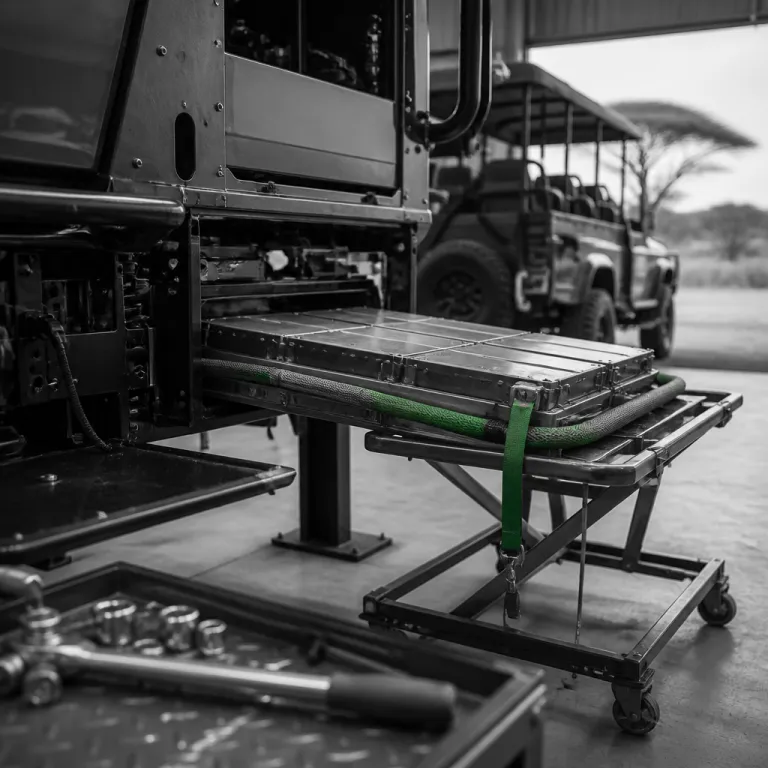
The Thula ESV uses an all steel body on a heavy duty four wheel drive chassis, with seating for eight including driver and tracker so it fits existing game drive operations in any african game reserve. A 65 kWh lithium ion battery, advanced battery management system and regenerative braking deliver an estimated 200 km range per charge, enough for several game drives around a national park or private game lodge in south africa. That range matters for properties far from cape town or Johannesburg, where a safari vehicle must handle long transfer drives, repeated game viewing loops and rough tracks without support from urban electric vehicle infrastructure.
Production of this electric safari vehicle Thula ESV South Africa platform follows several years in which Thula Solutions converted existing petrol and diesel safari vehicles to electric vehicles for early adopter lodges. Now the company is moving to purpose built safari vehicles that are engineered specifically for african conditions, from the dust of kruger to the black cotton soils that challenge game drives in kenya’s masai mara. For couples planning safari tours across southern africa, from cheetah plains in the Sabi Sand to chobe game viewing near botswana’s Chobe National Park or even onward to victoria falls, the shift to a dedicated electric safari platform signals that quiet, low impact game drives are becoming a mainstream option rather than a niche experiment.
Rental model lowers the barrier for lodges across southern Africa
The most disruptive element of the electric safari vehicle Thula ESV South Africa story is not the technology but the financing model behind it. Thula Solutions offers the Thula ESV on an all inclusive rental basis, bundling the electric vehicle, maintenance and support into a predictable monthly cost for each safari vehicle in a fleet. For smaller south african lodges and remote camps that cannot justify a large capital outlay, this leasing structure finally makes electric safari operations a realistic proposition.
Local manufacturing with Hi Tech Automotive in Port Elizabeth keeps the supply chain inside south africa, which simplifies parts, service and training for guides who rely on their safari vehicles every day. The all steel build and 3 100 Nm of torque per wheel are specified for african game drive conditions, where a vehicle may climb rocky kopjes in a private game reserve one day and ford muddy pans near kruger the next. Before production, Thula Solutions and its partners ran extensive field testing with game lodge operators, checking charging infrastructure, planning routes around the 200 km range and verifying that the vehicle could handle varied terrain without compromising guest experience.
Early partnerships with properties such as Chobe Game Lodge in botswana show how the Thula ESV can plug into existing sustainable safari strategies that already include solar power and water saving systems. For owners who are serious about regenerative tourism in practice, shifting a fleet of safari vehicles to electric drives can cut fuel deliveries, reduce noise and align the lodge brand with measurable conservation outcomes. Couples comparing a south african game lodge with a camp in kenya or botswana increasingly ask how their trip impacts wildlife, and the ability to point to an electric safari fleet is becoming as persuasive as a strong guiding team or a prime location on a river bend.
Silent game drives reshape the wildlife encounter across Africa
On a traditional diesel safari, the first thing you hear on a morning game drive is the engine turning over and the low rumble as the vehicle idles at the lodge. In an electric safari vehicle Thula ESV South Africa setup, departure is almost silent, which changes the sensory balance of the entire game drive for both guests and wildlife. Guides at early adopter properties in southern africa report that animals resume natural behaviour more quickly when safari vehicles arrive quietly, which leads to longer, calmer sightings rather than brief, engine dominated encounters.
Operations such as Emboo River in kenya’s masai mara and Chobe Game Lodge in botswana have already shown how electric vehicles can support more sustainable safaris without sacrificing serious game viewing. The Thula ESV brings that concept into a locally engineered, purpose built safari vehicle that can be scaled across south african reserves from private concessions bordering kruger to coastal national park landscapes. For couples planning safari tours that combine cape town, a south african game reserve and perhaps a detour to victoria falls, the prospect of multiple electric safari experiences in different ecosystems is becoming tangible rather than theoretical.
Silent drives also sharpen the guide’s craft, because you hear alarm calls, branch snaps and distant lion contact calls that a diesel engine would mask during a game drive. That acoustic detail matters as much on a big five safari as it does on a primate focused itinerary, and readers interested in how we classify species can explore our guide to great apes versus monkeys for safari travelers. As electric vehicles spread from cheetah plains in the Sabi Sand to more mainstream safari tours, the industry will need to confront the question raised in our analysis of whether wildlife tourism can scale without loving nature to death, because lower running costs and quieter drives may increase demand for game viewing even as they reduce local emissions.
Business case, conservation stakes and what travelers should ask next
The launch of the electric safari vehicle Thula ESV South Africa platform sits within a wider shift toward electric vehicles in tourism, driven by rising fuel prices and guest expectations around sustainable travel. Data from Thula Solutions indicates that operating costs for the Thula ESV are roughly three quarters lower than comparable diesel safari vehicles, once fuel, routine servicing and brake wear are factored in. That cost delta is large enough that even conservative lodge owners in south africa, botswana or kenya must now run the numbers seriously when planning their next fleet replacement cycle.
For travelers, the key is to look beyond marketing language and ask specific questions about how an electric safari is integrated into the wider conservation model of a camp or lodge. Does the game lodge use solar or grid power to charge each electric vehicle, how many safari vehicles in the fleet are electric, and how are game drives scheduled to avoid crowding sensitive sightings in a popular game reserve or national park ? These are the same questions we explore in our report on when a lodge gives back more than it takes, where the focus is on measurable habitat level outcomes rather than marketing claims.
As more south african and wider african operators adopt the Thula ESV or similar electric safari platforms, the competitive edge will move from simply having an electric safari vehicle to how intelligently that vehicle is used to enhance both guest experience and wildlife protection. Couples planning a trip that spans cape town, kruger and perhaps onward travel to botswana or victoria falls should expect transparent data on emissions, charging sources and game drive density from any lodge that promotes electric safaris. In that context, the Thula ESV is less a novelty and more a test case for whether southern africa’s safari industry can align its business model, its safari tours and its conservation promises around a new generation of quiet, efficient game drive vehicles.