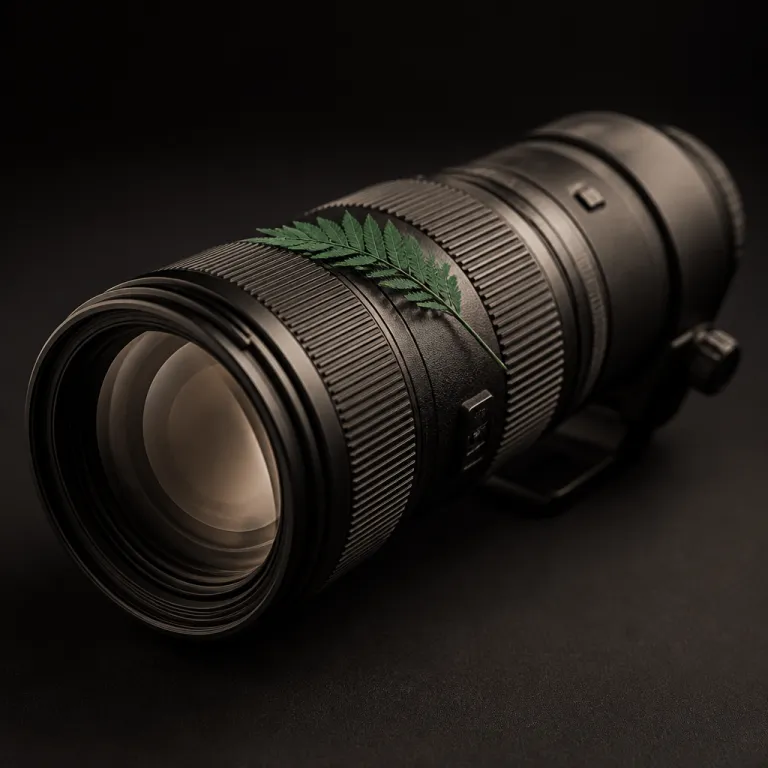
From seeing to capturing: how the lens now shapes the wildlife safari
On a modern wildlife safari, the camera quietly dictates the rhythm of the day. What used to be about simply seeing animals in the wild has become a quest to translate that wildlife into a compelling photo that will stand up on a large screen and on social media. This shift in safari photography is now changing where lodges build, how guides read animal behaviour, and which moments are allowed to unfold in natural silence.
Across Africa, lodge developers increasingly study light angles, sight lines, and background clutter before they even break ground for a new Africa safari camp. Trade data from the African Travel and Tourism Association and South African Tourism indicates double-digit growth in photography-focused itineraries between 2012 and 2022, confirming how strongly wildlife photography now influences travel decisions. As one lodge owner in Botswana put it in a 2023 trade interview with a regional safari association: “If a site doesn’t offer world-class photographic potential, we simply don’t develop there anymore.”
That single sentiment captures the core safari photography impact on wildlife tourism that destinations are now experiencing. When a site is chosen for its potential for the perfect shot, everything from vehicle tracks to waterholes and walking routes is subtly reoriented around the lens. Guests arrive with a camera body, telephoto lenses, and a mental shortlist of wildlife photography goals, while wildlife photographers compare notes on shutter speed settings and low-light performance before they have even checked the bed.
The result is a new hierarchy of value in African wildlife encounters. A fleeting animal crossing the track is no longer enough; photographers want time to work the angle, to wait those extra minutes until the animal turns its body language towards the vehicle and the background cleans up. Guides, once focused on the classic checklist of animals, now find themselves explaining why a backlit elephant at dusk might be more rewarding for safari images than a distant lion in harsh midday sun. For couples planning a wildlife safari, the question is no longer whether they will see animals, but whether the camp and guide team understand how to translate those sightings into photos that feel intimate, ethical, and genuinely wild.
How lodge design is evolving for the photographic guest
Walk into a serious photography-led camp in South Africa today and you notice the hardware before the hospitality. Charging stations for every type of camera battery line the main area, while dedicated shelves keep telephoto lenses and camera bodies dust free between drives. The influence of safari photography on wildlife tourism is visible in these small design decisions, which quietly prioritise the needs of photographers without turning the camp into a studio set.
Developers and operators increasingly select lodge sites not only for wildlife density, but for how the landscape will read in photos across seasons. A bend in a river that allows low-angle pictures safari at sunrise, or a natural clearing where animals reliably cross in front of a clean horizon, can now outweigh proximity to an airstrip. This is why new openings such as Wilderness Bisate’s photographic studio in Rwanda and dedicated photo camps like Pangolin Chobe Hotel in Botswana, both launched in the late 2010s, signal a new era where editing rooms, calibrated screens, and guided image reviews sit alongside the traditional firepit and bar. For couples who travel with two cameras and a shared Lightroom catalogue, that studio becomes as important as the plunge pool.
Inside the rooms, thoughtful details now cater to both the casual wildlife photographer and the serious wildlife photographers who might stay for a full photographer year of migrations and seasonal shifts. You see blackout curtains that help guests manage sleep around early drives, wide desks with enough space for laptops and external drives, and multiple universal sockets positioned where guests actually work on photos. Some eco-friendly lodges go further by integrating low-energy lighting that still allows guests to check camera settings and clean lenses without attracting insects, aligning photography needs with broader conservation goals.
Outside, the most interesting innovation is the rise of photographic hides and water-level viewing points. In South Africa’s Zimanga and Madikwe reserves, for example, hides are sunk at eye level with waterholes, allowing photographers to capture animal behaviour from perspectives impossible in a vehicle. These hides are designed with careful attention to animal body language and natural movement patterns, so that animals approach calmly and are not pressured or baited. When done well, such infrastructure supports both conservation and guest experience, creating images that encourage travellers to read more about the ecosystem and support regenerative tourism models where the lodge gives back more than it takes.
The guide’s dilemma: light, ethics, and the pressure for the perfect shot
Out in the field, the people who feel the safari photography impact on wildlife tourism most acutely are the guides and trackers. Their job has expanded from finding animals to managing cameras, reading animal behaviour in real time, and balancing the needs of photographers with the welfare of the wildlife. Many now carry mental checklists that include not only likely species, but also where the light will fall at specific minutes of the morning and evening.
On a shared vehicle, this can create tension between guests who want to linger for the perfect shot and those who are content with a quick look. Some lodges respond by offering dedicated vehicles for wildlife photographers, or even specialist photography wildlife guides who understand shutter speed, low-light techniques, and the quirks of different camera systems. The best guides quietly reposition the vehicle to align the sun, background, and animal body language, often without saying a word about composition, so that the experience still feels like a wildlife safari rather than a workshop. As one senior guide in the Maasai Mara remarked in a 2022 internal training session cited by a Kenyan safari operator, “My first responsibility is to the animals; the photographs come second, even if I’m helping guests make them better.”
Ethical pressure builds when social media expectations collide with conservation realities. A guest who has seen dramatic images in National Geographic may push for closer approaches, or for the vehicle to stay with a hunting predator longer than is comfortable for the animal. Responsible guides will hold the line, explaining that the most powerful wildlife photography respects distance, does not block escape routes, and never manipulates an animal’s natural behaviour for the sake of photos. This is where lodge policies and training matter, because guides need clear backing when they say no.
For couples booking an Africa safari with photography in mind, the most important question to ask is not about how many photos they will bring home, but how the operation defines ethical wildlife photographer practice. Reputable operators now publish clear guidelines on off-road driving, spotlight use, and time limits at sensitive sightings, aligning with broader principles of ethical wildlife tourism and responsible travel. When guests choose these operators, they reinforce a model where conservation, guest experience, and photography can coexist without turning every animal into a prop.
From smartphone snaps to telephoto lenses: how images now drive bookings and conservation
The democratisation of photography has pulled every traveller into the story, from the couple with matching DSLRs to the guest who only uses a smartphone. On many drives, you now see a mix of high-end camera bodies with long telephoto lenses alongside phones held out the side of the vehicle, all chasing that same perfect shot of an African animal stepping through dust. This blend of tools means the safari photography impact on wildlife tourism extends far beyond professional wildlife photographers and into the feeds of millions of casual travellers.
Smartphones handle bright light surprisingly well, which suits the classic mid-morning giraffe or zebra photo, but they struggle in low light when predators are most active. Guides who understand this will often adjust the timing of sightings, positioning vehicles so that even a phone can capture usable photos without pushing too close to the animals. For couples, this means you do not need to invest in a full wildlife photography kit to come home with meaningful images, though a modest telephoto lens and some basic knowledge of shutter speed will dramatically improve results.
What matters more is how those images are used once you leave the national park or private reserve. Every time a guest shares pictures safari wide on social media with thoughtful captions about conservation, community partnerships, or the realities of managing national parks, they help shift the narrative from simple wildlife consumption to informed engagement. This is where the camera can become a conservation tool, especially when travellers choose operators whose models support local communities, such as those highlighted in analyses of community-owned conservancies and shared ownership structures.
For the industry, the feedback loop is clear. Strong images drive bookings, which fund conservation, but only if the underlying model is sound and the photography does not compromise animal welfare. Couples planning their next wildlife safari should read lodge websites carefully, ask how guides are trained in both animal behaviour and guest photography support, and look for transparent conservation reporting rather than just galleries of dramatic photos. When travellers reward operations that treat wildlife as sentient beings rather than backdrops, the camera becomes not just a witness to Africa’s wild places, but an ally in keeping them intact for the next photographer year and beyond.
Key figures on photography’s influence in safari tourism
- Photo-focused safaris have grown significantly, with African tourism boards and trade bodies such as South African Tourism and the African Travel and Tourism Association reporting strong increases in photo safari bookings over the past decade, reflecting how strongly photography now shapes wildlife tourism demand across Africa.
- Industry surveys and lodge marketing reports, including a 2021 internal poll by a major East African safari consortium, suggest that a majority of camps now offer some form of photography workshop or guidance, signalling a structural shift where photography is no longer a niche add-on but a core part of the wildlife safari product.
- The timeline of change is clear, with the rise of digital photography in the early 2000s, a surge in dedicated photo safaris through the 2010s, and a current phase where lodge locations, vehicle configurations, and guide training are explicitly optimised for photographic opportunities.