Safari tourism wildlife stress research moves from opinion to data
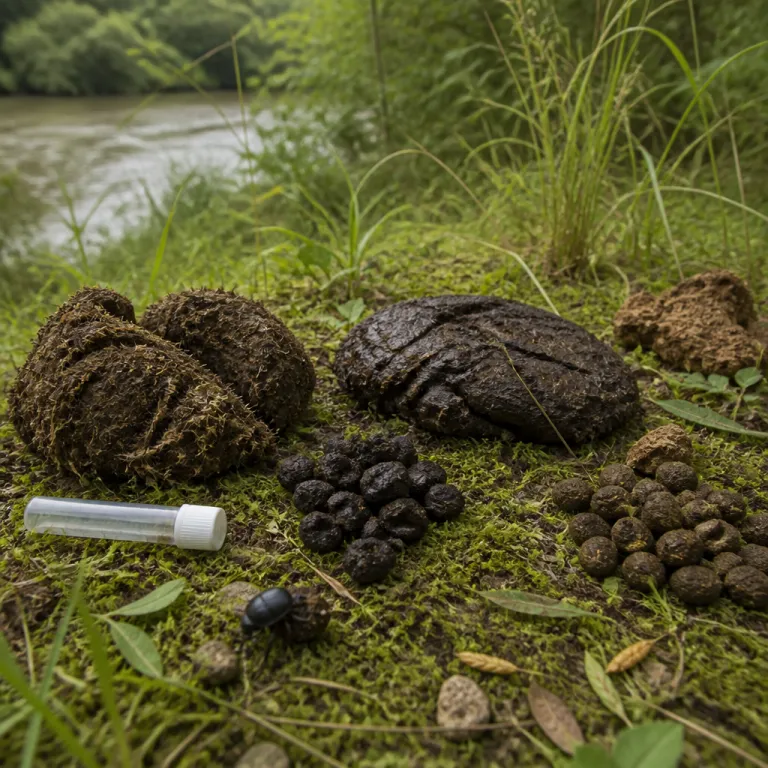
Safari tourism wildlife stress research has finally shifted from campfire debate to measurable data. At Somabula Nature Reserve in Gauteng, zoologist Bruce Crossey led a one year research project that treated every dung pile as a data point rather than a nuisance. His équipe collected more than 500 samples from impala, plains zebra, blue wildebeest and giraffe to test glucocorticoid metabolites, the hormones that indicate physiological stress in wildlife.
The main content of the study asked a blunt question that many people in tourism prefer to skip main and never quantify : do vehicles, camera shutters and human voices actually raise stress levels in free ranging animals wildlife. Researchers matched each dung sample to detailed tourism records, comparing weekdays with quieter visitor numbers against weekend peaks when more people arrive from Johannesburg and Pretoria. They also overlaid environmental data, tracking wet and dry seasons, water availability and daily temperature swings to separate tourism effects from natural stressors.
The headline result is both reassuring and uncomfortable for anyone serious about conservation and animal welfare. Zebra, wildebeest and giraffe showed no significant increase in hormone levels when tourism traffic intensified, suggesting that for these species, current management practices keep stress wildlife within a tolerable physiological range. Only impala reacted strongly, with stress hormone levels approximately 57 percent higher on dry season weekends, a spike that Crossey’s research team links to the collision of scarce water, heightened predator risk and dense human activity around key viewing routes.
Impala as the early warning system for stressed wildlife
Impala emerge from this safari tourism wildlife stress research as the canary in the coal mine for African reserves. Their social structure, mid level position in the food chain and reliance on open grazing make them acutely sensitive to both environmental change and human disturbance. When water sources shrink in the dry season and vehicles cluster around the remaining pans, impala face a triple pressure of predators, people and limited escape routes that pushes their stress levels higher than those of bulk grazers.
For conservation managers, that 57 percent weekend spike is not just an academic number but a management alarm bell. It suggests that even when overall wildlife health indicators look stable, one species can carry a disproportionate share of stress wildlife, with long term implications for animal welfare and population dynamics. The study’s authors frame it clearly in their public Q&A : “Do all safari animals experience stress from tourists? No, stress responses vary by species and season.”
This nuance matters for travelers who care about animal care as much as sightings, and who want their spending to support conservation rather than quietly undermine it. Visiting during weekdays, when tourism pressure is lower, directly reduces the human footprint around critical water points and gives impala more space to move, feed and rest. It is the same logic that underpins community led conservation economies in places like Rwanda’s Volcanoes National Park, where carefully managed visitor flows and pricing, as reported in this analysis of how 292 Rwandans are building a conservation economy around Volcanoes National Park, balance wildlife welfare with local livelihoods.
What this means for lodges, guides and responsible safari timing
For lodges and reserve operators, the Somabula findings turn safari tourism wildlife stress research into a practical design brief. Weekend peaks in vehicle density during the dry season now look less like a revenue win and more like a stress multiplier for at least one key prey species. Smart management responses include capping the number of vehicles at sensitive waterholes, staggering game drive departure times and routing some drives away from core impala grazing areas on the busiest days.
Guides can also adjust their daily practice to align wildlife health with guest experience, without turning a game drive into a lecture on endocrinology. Holding a slightly wider viewing distance from nervous herds, cutting engines more often and limiting radio chatter around skittish animals wildlife all help keep stress levels down while still delivering high quality sightings. These small shifts in animal care protocols, when applied consistently, become a form of quiet support conservation that protects both immediate animal welfare and the long term resilience of the ecosystem.
Travelers have more influence than they think over how tourism interacts with wildlife, even if they never see an elephant or watch elephants at a waterhole on that particular trip. Choosing shoulder season dates, favoring operators that publish clear wildlife management policies and asking direct questions about how they monitor wildlife health sends a strong market signal that stress wildlife metrics matter as much as luxury amenities. The same traveler pressure has already helped drive stronger legal protections in other regions, such as the new wildlife law in Nigeria that raises the bar for endangered species protection across West Africa, and it can equally reshape how private reserves handle both the visible spectacle of animals wildlife and the invisible hormone data hidden in every post drive dung sample.
Practical checklist for low impact safari planning
For solo explorers planning a first or fifth safari, this safari tourism wildlife stress research translates into a simple decision framework. Aim for weekday stays during the dry season if you want classic clear light and easier sightings, but ask your lodge how they manage vehicle numbers at key water sources and whether guides are trained in low impact approaches. In wetter months, when natural food and water are more abundant and environmental pressures ease, tourism appears to add less measurable stress, making it a strong option for travelers who prioritise animal welfare over guaranteed big herd spectacles.
On the ground, treat every animal as an individual rather than a backdrop, and watch for subtle signs of stress such as repeated displacement, tail flicking or bunching tightly when vehicles approach. If you see guides pushing too close to an elephant herd or boxing in plains game between vehicles and a river, you are within your rights to request a change in position, because human behaviour on a single drive can either support conservation goals or quietly erode them. Choosing operators embedded in community owned conservancies, as explored in this report on why ownership changes everything on safari, often means that wildlife management decisions are made with both ecological data and local knowledge at the table.
Behind the scenes, serious operators are starting to integrate hormone based wildlife health monitoring into their long term planning, using dung analysis as a non invasive audit of how daily tourism patterns intersect with environmental cycles. As more reserves adopt similar research protocols, expect to see clearer guidelines on maximum vehicle densities, seasonal route closures and species specific buffer zones that reflect the different ways animals wildlife experience stress. For the traveler who cares about both the thrill of a leopard sighting and the unseen hormone level in the impala watching from the treeline, this is what a mature, data informed safari industry should look like.
Sources and further reading
The Conversation – analysis of Bruce Crossey’s Somabula Nature Reserve study on tourist impacts on safari animals’ stress levels.
Phys.org – coverage of non invasive dung based hormone monitoring in African wildlife tourism areas.
University of Pretoria – faculty communications on glucocorticoid research, wildlife management and conservation applications.