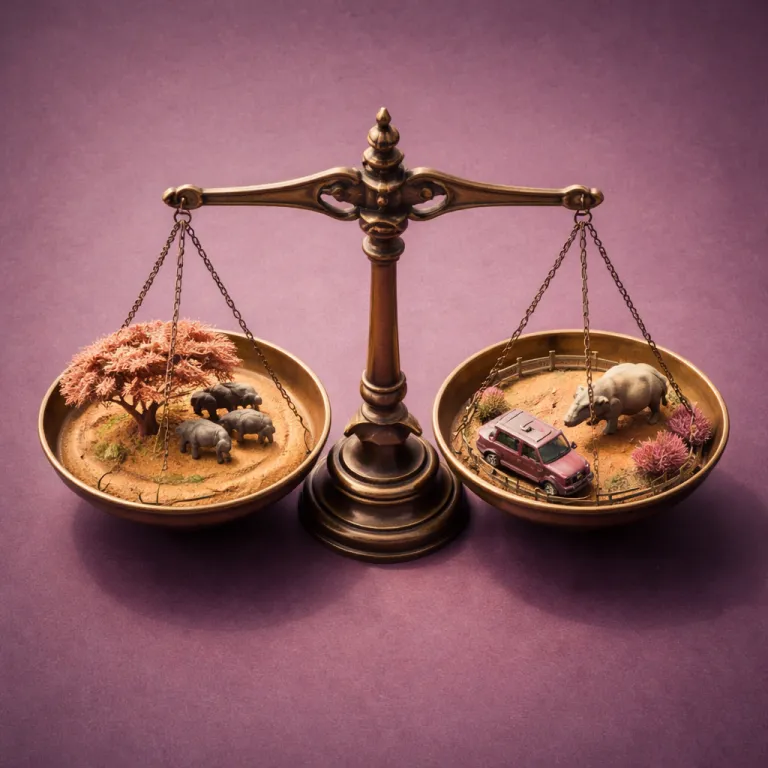
Private conservancy vs national park safari: where your money actually goes
Ask any seasoned guide in East Africa and they will tell you that the real question is not simply private conservancy vs national park safari, but who owns the land and who benefits when you pay to be there. A national park in Kenya or elsewhere in Africa is managed by a central wildlife authority such as the Kenya Wildlife Service (KWS), while a private conservancy is usually leased from local communities by operators who pay per hectare and per bed night. That single structural difference determines how wildlife moves, how local communities view lions near their cattle, and how your safari experience feels from the first game drive to the last night in camp.
In most national parks, conservation fees are paid directly to a government agency, which then allocates budgets for anti-poaching operations, road maintenance, ranger salaries, and wider park conservation. The model can work well in flagship national parks such as the Maasai Mara National Reserve or Amboseli National Park, but reinvestment efficiency varies sharply between countries and even between individual parks. By contrast, in a private conservancy in Kenya such as Ol Pejeta Conservancy or Mara North Conservancy, your conservancy fee is contractually tied to land lease payments, wildlife monitoring, and direct community impact projects like schools, clinics, and grazing schemes, with annual reports often showing what proportion of revenue goes to each line item.
That is why Kenya’s conservancy model has quietly expanded functional wildlife range by an estimated thirty percent beyond formal park boundaries, especially around the Masai Mara and Laikipia, according to figures published by the Kenya Wildlife Conservancies Association (for example, the 2016 and 2020 State of Wildlife Conservancies in Kenya reports, which map conservancy coverage relative to national parks). When private conservancies pay hundreds of individual landowners a reliable monthly income, elephants and predators stop being a pure liability and start becoming an asset. The result is a patchwork of conservancies and game reserves that act as buffers around crowded national parks, keeping migration corridors open while easing human–wildlife conflict on the edges of the protected core.
Money also shapes how many vehicles you share a sighting with during your safari experience. Observational studies by Kenyan guiding associations and conservation NGOs, including vehicle-count monitoring undertaken in the Maasai Mara between 2018 and 2022 by the Mara Predator Conservation Programme and partner lodges, indicate that the average number of vehicles at a big cat sighting in some national parks can reach twenty vehicles at peak times, while private conservancies often limit sightings to a single vehicle or a small, pre-agreed number. That contrast is not just about exclusivity; it directly affects animal behaviour, because a cheetah in a quiet conservancy will often keep hunting while a cheetah surrounded by a road game traffic jam in a national park is more likely to abandon the chase.
Official guidance from Kenyan tourism authorities reflects this split in experience and regulation. As one expert summary from the Kenya Wildlife Service’s visitor information for national parks and reserves puts it, “Private conservancies offer exclusive experiences with fewer vehicles and activities like night drives; national parks have more visitors and stricter regulations.” That line captures the essence of the trade-off, but it understates how deeply the choice between a state-run national park, a park private concession, and a community-owned conservancy Kenya landscape will shape your sense of Africa’s wildness, and how much oversight and transparency you expect from the organisations managing your park fees.
Wildlife, rules and the feel of the land: how the experience changes
Stand on the escarpment above the Maasai Mara at first light and you can see the difference between the national reserve and the surrounding private conservancies written into the grass. Inside the formal national park boundary, vehicles must stick to designated tracks, night drives are prohibited, and walking safaris are tightly controlled or banned outright under Kenya Wildlife Service regulations and the Wildlife Conservation and Management Act 2013. Cross an invisible line into Mara North or another private conservancy and the rulebook shifts to allow carefully managed off-road game drives, guided walks, and after-dark exploration, all governed by conservancy-specific codes of conduct.
Those extra freedoms are not about thrill seeking; they are about reading the landscape at a finer scale. In a conservancy Kenya setting, a guide can follow fresh lion tracks off the main road game network, circle a thicket, and position you where the pride will emerge without harassing the animals, because vehicle numbers and viewing angles are actively controlled by the conservancy management. The same guide in the adjacent national park may have to sit on a distant track with ten other vehicles, watching the same lions through a haze of dust and exhaust, because park regulations rightly prioritise habitat protection and equal access over individual sightings.
Night drives are the clearest dividing line between the two models. The official position from Kenyan park authorities is blunt: “Generally, night drives are prohibited in national parks but permitted in private conservancies.” This reflects KWS visitor rules, which restrict game viewing in national parks to daylight hours except in designated concessions. That means that if you want to see aardvark, serval, or lion on the move under a cold moon, you need at least part of your safari experience to be based in a private conservancy or a park private concession that has been zoned for after-dark activity, with strict limits on spotlight use and vehicle density.
Walking safaris tell a similar story, especially in Kenya and wider East Africa. In many national parks, walking is restricted to heavily regulated trails or special zones, while private conservancies and some game reserves allow multi-hour walks with armed rangers who know every termite mound and every wind shift. The difference between watching elephants from a vehicle and approaching them on foot with a tracker who grew up in the local communities is the difference between a standard game drive and a genuine immersion in wildlife behaviour, though it also requires robust safety protocols and clear emergency procedures.
Hybrid operators are starting to blur the lines further, especially in regions like the Okavango Delta where walking safaris are the headline act. If you are interested in how high-end outfitters are rethinking the balance between vehicle-based game drives and foot-based exploration, look at this detailed review of a modern walking safari programme along the Okavango Delta, which summarises how a camp can use strict conservation zoning, seasonal route planning, and guide training standards to deliver intimacy without eroding the ecosystem or sidelining local communities. The lesson carries straight back to the Mara, Laikipia, and other Africa heartlands where private conservancies and national parks share the same migratory herds but apply different rule sets to manage risk and impact.
Community impact, corridors and why Kenya’s conservancies matter
Follow the money again and you start to see why Kenya’s private conservancies have become a quiet revolution in African conservation. In a typical conservancy Kenya model around the Masai Mara, hundreds of Maasai landowners lease their individual plots to a conservancy trust, which then subleases exclusive tourism rights to a handful of camps. The lease payments, conservation fees, and employment opportunities create a direct financial link between healthy wildlife populations and the prosperity of local communities, while also concentrating economic risk in tourism-dependent areas during downturns.
That link changes behaviour on the ground in ways that a distant national park authority often struggles to match. When a lion kills a cow in a conservancy that pays reliable leases, the community impact is cushioned by compensation schemes and the knowledge that tourism revenue depends on keeping predators alive. In contrast, in areas outside both national parks and private conservancies, retaliation against wildlife can be swift because there is no economic upside to tolerating elephants in the maize fields or lions near the boma, and government-run compensation funds can be slow or under-resourced.
Corridor connectivity is where the conservancy model quietly outperforms many classic game reserves. Around the Maasai Mara and Amboseli, private conservancies and community game reserve projects have secured key migration routes that sit entirely outside the formal national park boundaries. Those strips of land allow wildebeest, zebra, and elephants to move between wet season and dry season ranges, reducing pressure on core parks while lowering the risk of catastrophic human–wildlife conflict in farming zones, although long-term success still depends on land-use planning and fair benefit-sharing agreements.
Ol Pejeta Conservancy in Laikipia is a textbook example of how a private conservancy can function as both a wildlife reserve and a working cattle ranch. Ol Pejeta Conservancy uses its mixed land-use model to fund rhino protection, community education, and healthcare, while still delivering a high-end safari experience with low vehicle densities and flexible game drives. The fact that you can track rhino in the morning, visit a local school in the afternoon, and then head out on night drives after dinner shows how integrated the model has become, but also highlights how much depends on strong governance and transparent reporting.
Water is the other invisible thread that links national parks, private conservancies, and downstream communities. Rivers like the Zambezi, the Mara, and the Ewaso Nyiro tie together highland farms, wildlife areas, and hydropower projects, so any serious safari planning should include an understanding of these catchments and the seasonal flow of wildlife along them. For a broader look at how major African rivers shape wildlife corridors and safari heartlands, this guide to where the Zambezi River flows through Africa’s wild safari regions offers a useful parallel to what is happening in Kenya’s conservancies and national parks as they adapt to climate variability and competing water demands.
Designing a smart itinerary: when to choose parks, conservancies or both
If you are planning a first safari in Africa, the honest answer is that you probably need both a national park and a private conservancy in your itinerary. National parks and large game reserves deliver the iconic landscapes and massed wildlife that most travellers dream about, from the rolling plains of the Maasai Mara National Reserve to the volcanic silhouettes of Amboseli and the crater rim of Ngorongoro. Private conservancies then refine that big canvas into a quieter, more textured safari experience with fewer vehicles, more flexible game drives, and a closer relationship with the land and its custodians.
Use national parks when you want scale, spectacle, and value. The Masai Mara during the migration, or a classic East Africa circuit linking several national parks and game reserves by road game transfer, will give you dense wildlife and dramatic scenes at a lower per night cost than most private conservancies. Just be realistic about crowding at sightings, especially in parks where average vehicle numbers at big cat encounters can reach twenty, and choose camps that work closely with local guides and park authorities to avoid the worst congestion and respect viewing guidelines.
Lean into private conservancies when you care about exclusivity, conservation detail, and community impact. A few nights in Mara North, Naboisho, or another conservancy Kenya area around the main Mara reserve will give you access to walking safaris, night drives, and off-road tracking that are not available inside the national park. The same logic applies in Laikipia at Ol Pejeta Conservancy, where a stay in a small camp on a private conservancy gives you access to rhino tracking, behind-the-scenes conservation work, and meaningful engagement with local communities who co-own the land and receive lease payments.
Do not ignore the rest of Africa when you think about this balance between national parks and private conservancies. Marine reserves and coastal parks now offer safari-style wildlife encounters with strict conservation rules, from whale shark snorkelling in protected waters to seasonal turtle nesting zones. If you are curious about how responsible operators manage wildlife pressure in the ocean as carefully as on land, this guide to the best places and times to swim with whale sharks shows how a well-designed marine experience can mirror the ethics of a well-run game reserve, including limits on group size and time in the water.
The most rewarding itineraries for business leisure travellers often start with a few nights in a major national park near a regional hub, then pivot into a quieter private conservancy for depth and reflection. Fly into Nairobi, spend two nights in the Maasai Mara National Reserve for the classic game viewing, then move to Mara North or another neighbouring conservancy for walking safaris, night drives, and time with the conservation teams and community projects. That way, your private conservancy vs national park safari is not an abstract debate but a lived comparison, and you can decide where you want your next Africa journey to sit on that spectrum between state-managed parks and community-based conservancies.
Key figures shaping the choice between private conservancies and national parks
- Vehicle density at sightings in some Kenyan national parks can reach an average of 20 vehicles at popular big cat encounters during peak seasons, according to field reports from Kenyan guiding associations and conservation NGOs, including systematic counts by the Mara Predator Conservation Programme in the Maasai Mara between 2018 and 2022, which significantly affects both wildlife behaviour and guest experience compared with single-vehicle or low-cap limits in many private conservancies.
- Many Kenyan conservation experts and the Kenya Wildlife Conservancies Association estimate that the expansion of private conservancies and community game reserves around the Masai Mara and Laikipia has increased effective wildlife range by roughly 30 percent beyond formal national park boundaries, as documented in KWCA’s State of Wildlife Conservancies in Kenya reports (notably the 2016 baseline and 2020 update), by securing critical migration corridors on community land.
- Official guidance from Kenyan tourism authorities and the Kenya Wildlife Service confirms that night drives are generally prohibited inside national parks but permitted in private conservancies, with KWS park regulations specifying daytime-only game viewing in most national parks, which means travellers seeking nocturnal wildlife viewing must include at least one private conservancy or concession in their safari plans.
- In conservancy Kenya models such as Ol Pejeta Conservancy, a significant share of guest fees is ring-fenced for land leases, anti-poaching units, and community projects, as outlined in Ol Pejeta’s publicly available annual impact and financial reports, creating a direct financial incentive for local communities to maintain wildlife habitat instead of converting land to intensive agriculture, while also requiring strong financial governance to maintain trust.
- National Park Authorities across Africa manage thousands of square kilometres of protected land, but budget constraints, political pressures, and competing national priorities often limit how much of the park fee revenue can be reinvested in on-the-ground conservation compared with more targeted funding flows in private conservancies, which themselves can be vulnerable to tourism downturns and unequal benefit distribution.