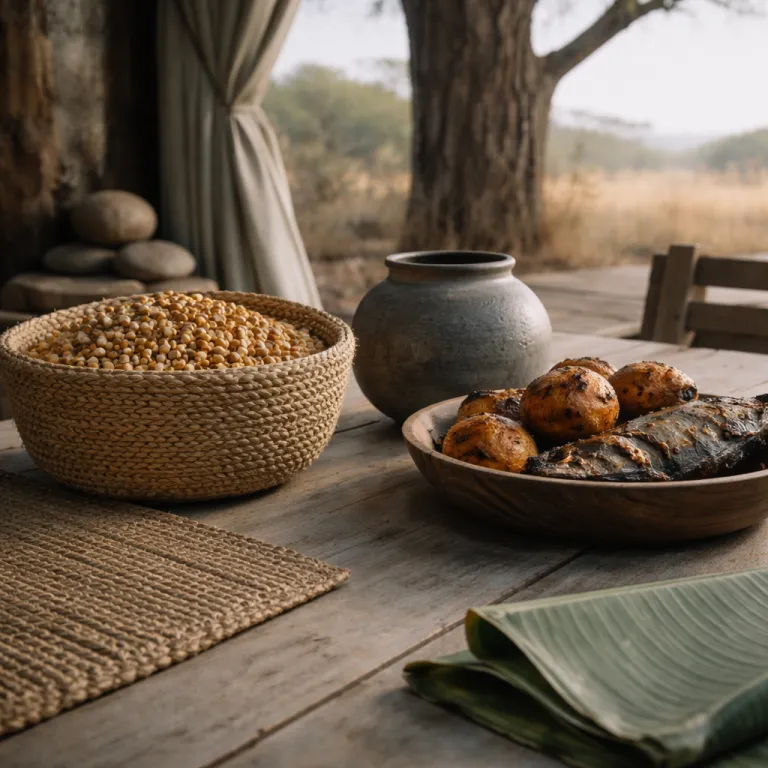
Why safari food culture is moving beyond the lodge buffet
On a modern safari in Africa, the most revealing meals rarely happen under a thatched roof with a predictable buffet. They unfold instead in village courtyards, beside smoky fires, where local hosts plate traditional dishes that carry the history of the land. This is where safari food culture and local cuisine in Africa begin to feel like a genuine exchange rather than a themed dinner.
Across the south and east of the continent, community-led dining is reshaping what an African safari experience tastes like for curious guests. Safari tourists increasingly ask to eat where people actually live, turning a classic wildlife trip into a quiet culinary safari that runs parallel to the game drives. According to the UN World Tourism Organization’s 2020 tourism and culture report, more than half of global travelers now seek cultural experiences as a priority, and food is often the most immediate way to access those living traditions.
In practice, this means that a safari lodge near a national park in Kenya or Tanzania might schedule an evening in a nearby homestead, rather than another round of fine dining on the deck. At places such as Il Ngwesi Community Lodge in northern Kenya, which has been community-owned since the late 1990s, or Maasai-run camps near the Serengeti, local communities act as hosts, preparing traditional African food with tools and ingredients they use every day, from cast-iron pots to sun-dried spices. For couples used to polished South African cuisine in Cape Town or fine dining in Johannesburg, the shift from plated courses to shared bowls can feel radical, but it is often the most memorable part of the trip, as many guest feedback surveys from these lodges now confirm.
From ugali to braai: regional dishes that map the landscape
Every region in Africa has a staple that anchors its food, and on safari those staples become a map of where you are. In Kenya and Tanzania, ugali appears at almost every communal table, a firm maize porridge that guests pinch with their fingers to scoop up stewed greens or slow-cooked goat. This simple dish, served in both individual plates and generous communal platters, tells you more about local resilience and food security than any brochure about a national park.
Travel further south and the flavors change with the soil and the herds, as South African braai culture takes over the evening air with wood smoke and grilled meat. Around a fire in a private reserve near Kruger National Park, you might taste biltong, boerewors, and bobotie, each dish reflecting layers of South African and Cape Malay influence that define the country’s culinary traditions. In Cape Town, chefs at city restaurants and wine estates translate those same traditional African notes into refined South Africa fine dining, but the DNA of the cuisine still comes from farm kitchens and community braais that have evolved over generations.
On the other side of the subcontinent, near Victoria Falls, an eating safari might introduce you to sadza, mopane worms, or river fish wrapped in leaves, while a homestead visit reveals how Zambian cuisine uses groundnuts and leafy greens to stretch scarce protein. In Zanzibar, coastal African cuisine leans into cloves, cinnamon, and coconut, turning a simple fish curry into a sensory record of centuries of trade. Articles on unusual facts about Kenya and its wildlife culture often mention food in passing, yet at the table you feel how deeply dishes and landscapes are intertwined, from grazing corridors to spice routes.
Inside a community meal: how shared tables reshape the safari experience
A well-designed community meal follows a rhythm that feels as considered as any game drive, yet it remains rooted in everyday life. Hosts begin with introductions, explaining who grew the food, who herded the cattle, and which traditional recipes you will taste during the evening. Visitors are invited to watch or join participatory cooking, stirring slow-cooked stews or shaping dough while the smoke curls into the dusk.
The most thoughtful operators treat this as a two-way exchange rather than a performance, allowing local voices to lead the narrative. Safari tourists sit beside elders and children, passing bowls of African food and asking questions about seasons, wildlife, and changing rainfall patterns. As one Maasai host at a community conservancy in Kenya explains, “When you eat with us, you understand why we protect this land, because it feeds our families as well as the animals.” One widely used explanation captures the essence of this approach: “What is communal dining in safari destinations? Sharing traditional meals with local communities during a safari.”
After the main dishes, storytelling often replaces dessert, with tales of lions near the cattle boma or memories of an older, wilder African safari era. For couples, this kind of dining experience can feel more intimate than a candlelit fine dining table back at the lodge, because it connects romance to real lives rather than staged luxury. If you are planning a broader wildlife journey, pairing such evenings with deeper natural history reading, such as a guide on how gorillas differ from monkeys and other primates, helps frame both the people and the ecosystems you are visiting.
Where safari lodges and communities cook together
Across Tanzania, Kenya, South Africa, and Botswana, a quiet shift is underway in how safari lodges source and serve food. Community-run properties and conservation-focused operators now build farm-to-bush programs that link their kitchens directly to nearby smallholdings. This approach turns every plate of African cuisine into a micro-investment in the surrounding villages, rather than an imported luxury.
In Tanzania–Kenya border regions, for example, some lodges buy maize, beans, and vegetables from Maasai farmers, then invite those same farmers to lead cooking demonstrations for guests. At joint ventures such as the Maasai-owned Nashulai Conservancy in Kenya, established in the mid-2010s, or community camps in the Ngorongoro highlands, couples might learn how a traditional African stew is layered, why certain cuts are slow-cooked over coals, and how dietary requirements are accommodated without losing the integrity of the dish. The result is a culinary safari where the story of conservation, agriculture, and culture is told through both ingredients and encounters.
In South Africa, properties near Cape Town and in the Lowveld increasingly highlight South African and Cape Malay recipes alongside lighter, globally influenced plates. A lodge might serve bobotie with turmeric rice one night, then host a braai the next, explaining how these dishes relate to migration, trade, and land use. For travelers interested in broader food and nature narratives, similar principles appear in other regions too, where local producers, wildlife areas, and small-scale distillers collaborate to keep value in rural landscapes.
Food, conservation, and how to eat thoughtfully on safari
When communities earn directly from safari food culture, the incentive to protect wildlife becomes tangible rather than abstract. A homestead that supplies vegetables to a lodge kitchen, or hosts regular communal dining evenings, has a clear reason to support anti-poaching efforts and habitat protection. Tourism data from national boards in Kenya and South Africa showing that a significant share of local GDP can come from travel is not just a statistic; it is a reminder that every plate of African culinary heritage has economic weight.
For couples planning an African safari, the most powerful step is to ask specific questions before you book, then follow up on the ground. Ask how often the lodge works with local communities, whether African food appears regularly on the menu, and how dietary requirements are handled when you join a village meal. You want to hear about real partnerships with local organizations, not just a themed night that reduces traditional dishes to a costume.
On the ground, respect is the essential ingredient in any eating safari, whether you are tasting Zambian cuisine near Victoria Falls or sharing coastal dishes in Zanzibar. Dress modestly for village visits, ask before taking photographs, and be open to new flavors even if a texture feels unfamiliar at first. As one simple explanation puts it: “Why is local food important in understanding a safari destination? It reflects the culture, history, and traditions of the area.”
FAQ
How does local food enhance a safari experience in Africa ?
Local food turns a safari from a sequence of game drives into a layered cultural journey. Eating traditional African dishes with community hosts reveals how people adapt to wildlife, climate, and shifting seasons. The result is a safari experience where cuisine, conservation, and daily life are inseparable.
What is communal dining during a safari, and who takes part ?
Communal dining usually means sharing a meal in a village setting or community space rather than at the lodge. Local communities act as hosts, preparing food with traditional utensils and ingredients, while safari tourists join as guests at the same table. This format encourages conversation, questions, and a more equal exchange between visitors and residents.
How can I join community led meals on safari while respecting local customs ?
You can ask your lodge or tour operator to include community meals and cooking demonstrations in your itinerary. During the visit, follow your guide’s advice on greetings, dress modestly, and always ask before photographing people or private spaces. Being open to new flavors and engaging politely with hosts shows respect and deepens the experience.
Can dietary requirements be accommodated during village or homestead meals ?
Most reputable operators now discuss dietary requirements in detail before confirming community visits. Hosts can usually adapt traditional recipes, for example by adjusting spice levels or substituting certain ingredients, while keeping the core of the dish intact. Clear communication in advance is essential, especially for allergies or strict religious rules.
How does spending on food support conservation and local economies ?
When lodges buy produce from nearby farms or pay communities to host meals, a portion of safari revenue stays in the landscape that shelters wildlife. This income can reduce pressure to overuse land for grazing or hunting and instead rewards conservation-friendly choices. As one practical guideline notes: “How can tourists participate in local dining experiences? By joining community-led meals and cooking demonstrations.”