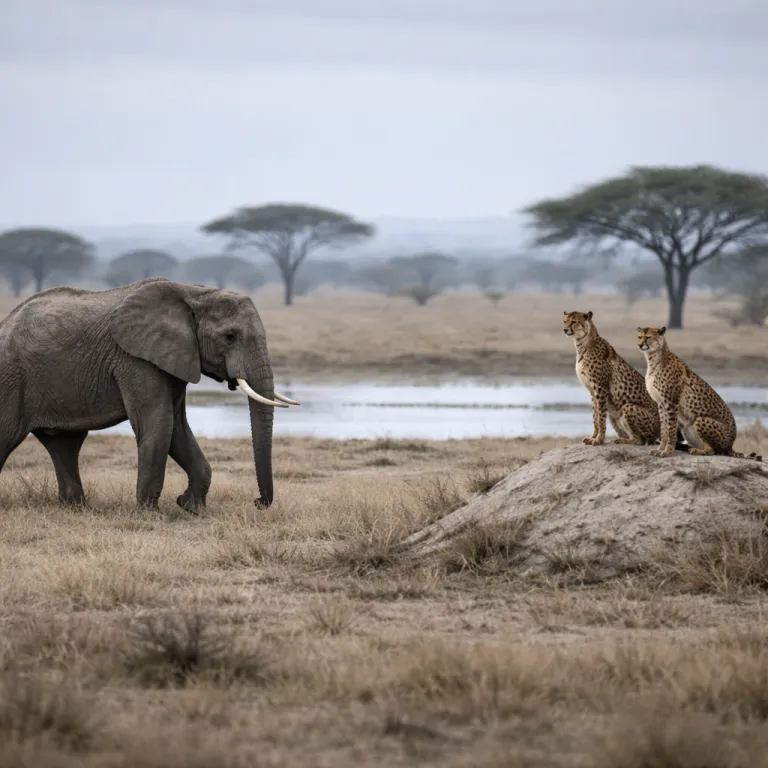
Life on the open savanna: understanding african plains animals
African plains animals shape one of the most dramatic ecosystems on earth. Across the vast african plains, the balance between predator and prey depends on weight, speed, and subtle behavioral cues. Every body, from the smallest antelope to the tallest giraffe, is adapted to open horizons and seasonal change.
In eastern Africa, giraffe, zebra, wildebeest, and African elephant dominate the skyline. The giraffe is the tallest land animal with a shoulder towering above safari vehicles, while the African elephant is the largest land mammal by weight and sheer body volume. These african plains animals share space with apex predators such as the lion, often called the king of the jungle, and the cheetah, the fastest land animal, reaching 80 mph.
On any drive through southern Africa, you will notice how height and horns influence survival. Spiral horned antelope, reedbuck common to wetter grasslands, and the medium sized fallow deer introduced on some private reserves all use length horns or antlers for dominance displays. Males often carry horns that curve or spiral, and the exact length horn can determine breeding success and status within a game species.
Guides in south Africa and across southern Africa will explain how animals use the open plains. African wild dog packs, spotted hyena clans, and even marabou stork scavengers rely on visibility and distance. For travelers, understanding how far an animal can see, how much it can weigh, and how high it can stand at the shoulder transforms a simple game drive into a deeper reading of the landscape.
Iconic herbivores of the african plains and their subtle differences
Among african plains animals, the great herbivore herds define the rhythm of the day. Wildebeest, zebra, and various sized antelope move constantly between grazing and water, their combined body mass shaping the grass itself. In eastern Africa, immense herds of wildebeest and plains game migrate with the rains, while predators shadow them across the plains.
Travelers often ask about the difference between blue wildebeest and black wildebeest. The blue wildebeest, common in south Africa and eastern Africa, has a darker body and heavier weight, with males that can weigh well over 200 kilograms. The black wildebeest, more typical of southern Africa’s open grasslands, carries forward curving horns and a distinctive white tail, and its shoulder height is slightly lower but still impressive.
On mixed game hunting ranches in south Africa or in africa Namibia, you may also encounter fallow deer and other introduced game species. While not native african plains animals, these medium sized deer share the same open habitats and sometimes compete with local sized antelope for grazing. Ethical operators now focus less on trophy measurements and more on habitat restoration and responsible plains game management.
Reedbuck common to wetter valleys, known as common reedbuck, prefer longer grass where their length horns remain partly hidden. Their horns rise in a gentle curve, unlike the dramatic spiral horned kudu or other large antelope of southern Africa. For readers interested in coloration and pattern, a helpful comparison with ornamental fish markings can be found in this guide to the vibrant world of colourful koi fish, which shows how nature repeats visual strategies across very different habitats.
Predators, scavengers, and the hidden rules of the african plains
No exploration of african plains animals is complete without the great carnivores. The lion, often referred to as the king of the jungle, dominates many stories, yet its success depends on the weight and vigilance of prey species. Cheetah, the fastest land animal, reaching 80 mph, rely on open plains and precise judgment of distance, height, and body position during a chase.
Spotted hyena and African wild dog are equally important to the health of african plains ecosystems. Hyena use powerful jaws and social cooperation to break down carcasses that might otherwise linger, while wild dogs depend on endurance rather than sheer weight. Their medium sized bodies and long legs allow them to maintain speed over several kilometres, a different strategy from the explosive acceleration of cheetah.
Scavengers such as marabou stork and vultures complete the cycle, ensuring that almost every gram of body tissue from large animals returns to the soil. On the open african plains of southern Africa and eastern Africa, these birds rely on height and keen eyesight to locate potential food. Their presence also guides guides and researchers to recent kills, offering insights into predator behavior and game species dynamics.
For visitors, understanding these relationships adds depth to any safari in south Africa or africa Namibia. When you watch a blue wildebeest herd bunch together, you are seeing an evolved response to game hunting pressure from lions and hyena. Respecting these interactions means choosing operators who follow local guidelines, support conservation, and treat every animal as more than a potential trophy.
Measuring grace: weight, height, and horns on safari
On well guided safaris, measurements such as weight, height, and horn length become tools for interpretation. Knowing that the African elephant is the largest land animal helps you appreciate how much vegetation it must eat and how its body shapes the african plains. Similarly, comparing the shoulder height of giraffe, wildebeest, and sized antelope reveals how each species accesses different layers of vegetation.
Guides in south Africa often explain that males of many game species grow heavier and carry horns longer than females. In blue wildebeest and black wildebeest, for example, males can weigh significantly more, and their length horns are thicker at the base. On some traditional game hunting properties, these measurements were once recorded primarily for trophy records, but modern conservation minded lodges now use them to monitor herd health instead.
Among spiral horned antelope, the exact length horn and curve can indicate age and status. Kudu, bushbuck, and related sized antelope in southern Africa show how horns can twist elegantly while remaining practical weapons. In contrast, common reedbuck and reedbuck common populations have simpler length horns that rise and curve forward, better suited to quick defense in long grass.
For travelers, asking about average weight or shoulder height is not a technical distraction. It is a way to connect the visible body of african plains animals with their invisible energy needs, territory size, and vulnerability to predators. Over time, these details help you read the african plains as a living dataset, where every animal’s measurements tell part of a larger ecological story.
Regional nuances: from eastern Africa to southern Africa and africa Namibia
Although many african plains animals appear similar across the continent, regional differences are significant. In eastern Africa, seasonal movements of wildebeest, zebra, and other plains game create a dynamic mosaic of grazing pressure. These migrations influence predator territories, body condition, and even the average weight of males and females in different herds.
Southern Africa presents a more patchwork pattern of national parks, private reserves, and community conservancies. Here, blue wildebeest, black wildebeest, and various sized antelope share space with cattle and small settlements, especially in parts of south Africa and africa Namibia. Responsible operators work with local communities so that game species remain an asset rather than a competitor for grazing.
In africa Namibia, the open african plains merge with semi desert, and animals adapt accordingly. Medium sized antelope conserve water efficiently, while common reedbuck concentrate near permanent water sources where their length horns remain just visible above reeds. Game hunting in this region increasingly follows strict quotas and monitoring, shifting emphasis from trophy size to long term population stability.
Travelers who appreciate these nuances will gain more from every safari. When you see a herd of blue wildebeest in southern Africa, you can compare their body condition with animals you have seen in eastern Africa. Reading about symbolic wildlife elsewhere, such as the role of a national animal in conservation narratives, also helps frame african plains animals as cultural icons as well as ecological actors.
Planning an ethical safari among african plains animals
Thoughtful planning ensures that your encounter with african plains animals supports conservation rather than undermining it. Start by choosing reputable tour operators in south Africa, eastern Africa, or africa Namibia who prioritize wildlife welfare and community partnerships. Respect wildlife habitats, follow local guidelines, and remember that every animal is more than a potential trophy or photograph.
When evaluating itineraries, look for guides trained in behavior, body condition assessment, and species identification. A knowledgeable guide will explain why males of certain game species carry horns of particular length, how shoulder height affects grazing choices, and why some medium sized antelope prefer specific parts of the african plains. They will also highlight lesser known species such as common reedbuck, reedbuck common in marshy areas, and spiral horned antelope that slip through thickets at dusk.
Ethical operators in southern Africa and africa Namibia increasingly limit game hunting to tightly controlled concessions. Here, data on weight, age, and length horns help determine sustainable offtake, ensuring that blue wildebeest, black wildebeest, and other plains game remain abundant. Many travelers now choose purely photographic safaris, valuing the experience of watching animals behave naturally over any physical trophy.
Finally, remember that african plains animals exist within a wider conservation context. Increased ecotourism, rising conservation initiatives, and advancements in wildlife research all depend on informed visitors. By asking precise questions about height, weight, and regional differences, you contribute to a culture of curiosity and respect that benefits both animals and the people who share their landscapes.
Key statistics about african plains animals
- There are approximately 1 100 mammal species in Africa, many of which inhabit or depend on the african plains at some stage of their life cycle.
- The African elephant, the largest land animal, can reach several tonnes in weight, shaping vegetation structure across vast areas of eastern Africa and southern Africa.
- Cheetah, the fastest land animal, reaching 80 mph, rely on open plains and healthy populations of medium sized antelope and other game species to survive.
Essential questions about african plains animals
What is the largest land animal in Africa ?
The African elephant is the largest land animal, and its immense weight and body size influence everything from vegetation patterns to waterhole dynamics. On the african plains of south Africa, eastern Africa, and africa Namibia, elephants open pathways, create clearings, and provide access to resources for smaller animals. Observing their shoulder height and social behavior is often a highlight of any safari focused on african plains animals.
Which animal is known as the king of the jungle ?
The lion is often referred to as the king of the jungle, although it actually thrives on open african plains rather than dense forest. In southern Africa and eastern Africa, lions target wildebeest, zebra, and other plains game, with males and females playing different roles in the hunt. Their presence shapes the behavior, weight distribution, and even daily movement patterns of many african plains animals.
What is the fastest land animal ?
The cheetah is the fastest land animal, reaching speeds up to 80 mph during short bursts on the african plains. This extraordinary speed depends on a lightweight body, flexible spine, and long limbs, making cheetah particularly effective hunters of medium sized antelope. For safari travelers in south Africa and africa Namibia, witnessing a cheetah sprint across the plains is an unforgettable demonstration of adaptation and precision.