Cape buffalo “black death”: myth, behaviour, and safari safety
Understanding the legend of the cape buffalo “black death”
The phrase cape buffalo black death carries a heavy reputation in Africa. Safari guides use it to describe the formidable African buffalo, an animal that can turn a routine game drive into a dangerous wildlife encounter within seconds. For travellers, understanding why this species is feared and respected will shape how you move, watch, and behave in the bush.
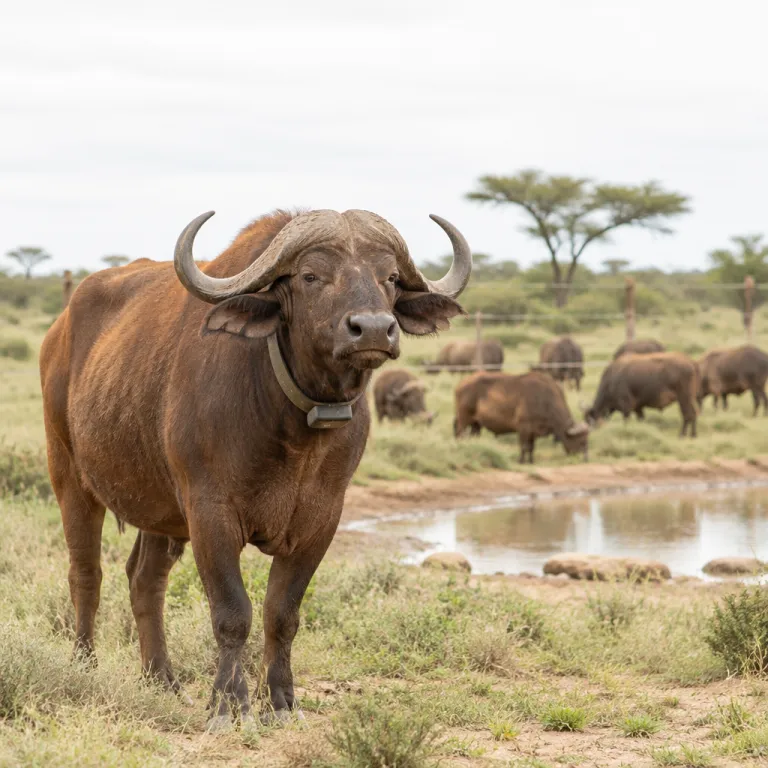
The African buffalo, or Syncerus caffer, is a massive bovine with a thick boss of fused horn at the front of the skull. A mature bull can weigh close to 800 kilograms, which makes this animal one of the heaviest wild bovids in South Africa and across eastern Africa. When a wounded buffalo feels threatened in thick bush, it may circle back silently, which is why professional hunters and rangers treat every buffalo hunt or tracking exercise with extreme caution.
Unlike domestic cattle or American bison, the African buffalo has never been successfully domesticated at scale. This wildness contributes to the myth of the black death, a term that reflects both the dark hide of the Cape buffalo and its reputation for charging when cornered. On a photographic safari or walking trail, your guide will brief you carefully before entering areas where a herd has recently passed.
In many national park ecosystems, from Kruger National Park in South Africa to Serengeti National Park in Tanzania, the buffalo herd is a keystone presence. Lions rely heavily on African buffalo as a primary source of large prey, and this predator pressure helps keep the population healthy and largely disease free in well managed reserves. When you watch lions test a herd at dusk, you see why this species sits at the centre of so many stories about courage, death, and survival in Africa.
From hunting lore to modern safari ethics
The legend of cape buffalo black death was shaped by early game hunting narratives. In the colonial era, hunters in south and east Africa wrote about Syncerus caffer as the most dangerous animal they pursued on foot. Many of those stories focused on the wounded bull that vanished into thick bush, only to ambush the hunter who followed too quickly.
Today, ethical standards on a hunting safari and on photographic trips have changed significantly. In many national park areas, buffalo hunting is completely prohibited, and the focus has shifted to non consumptive tourism that values living animals more than trophies. Where regulated buffalo hunting still occurs on private or community land, quotas, age limits for bulls, and strict tracking rules aim to reduce suffering and avoid creating a wounded buffalo that might threaten nearby villages.
For travellers who will never take part in a buffalo hunt, these old stories still matter because they influence how guides manage risk. Professional hunters and walking guides train for years to read the body language of a Cape buffalo herd, watching tail position, ear movement, and the stance of the lead bull. When a guide decides not to continue a close approach, that decision reflects both respect for the animal and a commitment to guest safety.
Conservation focused travellers increasingly choose operators that invest in local communities and habitat protection rather than pure game hunting revenue. In Rwanda, for example, community based tourism around Volcanoes National Park shows how wildlife can fund schools, clinics, and jobs without relying on dangerous game safaris, as detailed in a 2019 analysis of a conservation economy around a national park. The same principles can guide buffalo Syncerus caffer conservation in southern and eastern Africa, where long term survival depends on local support.
Safety on foot: how guides manage encounters with African buffalo
Walking in buffalo country is one of the most intense experiences on any African safari. The phrase cape buffalo black death is never used lightly by guides, because they know how quickly a calm herd can turn if surprised at close range. Your safety depends on their ability to read wind, terrain, and the behaviour of every animal in view.
Guides avoid entering very thick bush where visibility drops below a few metres, especially if fresh tracks or dung suggest a nearby herd. In these conditions, a wounded bull or a resting cow with a calf can react explosively, and even experienced professional hunters treat such situations as high risk. When the wind swirls, carrying human scent toward a Syncerus caffer group, the guide may change direction or abandon the plan for a closer view.
On foot, you will usually approach from the side, staying downwind and using trees or termite mounds as cover. The aim is not to provoke a charge but to observe the animals while they remain unaware or only mildly alert, which reduces the chance of creating a wounded buffalo through defensive shooting. If a bull lifts its head, stares directly, and swings its nose to test the wind, your guide may quietly withdraw before the encounter escalates.
Legal frameworks also shape how dangerous game is managed across Africa. In West Africa, for instance, Nigeria’s updated wildlife law in 2016 raised standards for endangered species and set a precedent for stronger enforcement, as outlined in a review of new wildlife protection measures published that year. Strong laws, combined with well trained rangers, help ensure that encounters with African buffalo in any national park remain controlled, ethical, and as safe as possible for both people and animals.
Ecology of fear: lions, herds, and the role of buffalo in African landscapes
The ecological story behind cape buffalo black death is as compelling as the hunting lore. African buffalo herds shape grassland structure, influence predator movements, and even affect disease dynamics in multi species systems that include domestic cattle. When you watch a herd of several hundred animals crossing a river, you are seeing one of the great wildlife spectacles of Africa.
Lions specialise in hunting buffalo in several regions, particularly in south and east Africa where prey densities are high. A coordinated pride attack on a single bull or on the edges of a large herd can last for hours, with the outcome often balanced between life and death for both predator and prey. These interactions keep weaker animals from breeding and help maintain a largely disease free buffalo population in well managed reserves.
For travellers, understanding this predator prey dynamic adds depth to every sighting. When you see lions trailing a Cape buffalo herd at dusk, you are witnessing a long running evolutionary arms race rather than a simple scene of game hunting. The buffalo’s thick hide, heavy horns, and herd cohesion evolved in response to this pressure, while lions developed group hunting strategies that target isolated or wounded animals.
Conservationists now talk about an “ecology of fear” in which the presence of dangerous animals like lions and buffalo changes how other species use the landscape. Antelope may avoid areas where a wounded bull was recently attacked, while smaller predators follow the herd to scavenge from lion kills. This layered web of interactions is what makes a national park more than just a collection of individual animals; it is a living system in which Cape buffalo, lions, and even nearby domestic cattle populations are tightly linked.
From adrenaline to mindfulness: rethinking the “black death” on modern safaris
Many travellers arrive in South Africa or other safari destinations with dramatic images of cape buffalo black death in mind. They expect charging bulls, dust, and the raw adrenaline of dangerous game encounters at close range. While such moments do occur, the most rewarding experiences often blend excitement with reflection, patience, and a deeper respect for every animal involved.
Modern safari operators increasingly design itineraries that balance traditional game drives with slower, more mindful activities. Walking in areas where Syncerus caffer graze at a distance, practising bush yoga near a safe riverbank, or joining a guided forest therapy session can all shift your relationship with the landscape. A detailed feature on the rise of the wellness safari and digital detox in the bush, published in 2021, shows how this trend is reshaping expectations across Africa.
On such trips, guides still brief you about the risks posed by a wounded buffalo or a surprised herd in thick bush. However, the emphasis moves from chasing the most dramatic sighting to understanding behaviour, reading tracks, and appreciating the subtle signs that reveal where a bull passed during the night. You learn why a national park may close certain roads after heavy rain, how rangers monitor buffalo hunting pressure on surrounding community land, and what it means when a once disease free herd starts showing signs of stress.
This shift does not erase the historical image of black death, but it reframes it. Instead of glorifying the buffalo hunt as the ultimate test of courage, many travellers now see the real challenge as learning to coexist with powerful animals on their own terms. In that sense, the Cape buffalo becomes less a symbol of death and more an emblem of resilience, complexity, and the wild heart of Africa.
Conservation, communities, and the future of cape buffalo
The long term future of cape buffalo black death as a living legend, rather than a fading memory, depends on conservation choices made today. Across south and east Africa, protected areas, community conservancies, and private reserves all hold portions of the African buffalo population. Each landscape faces different pressures from agriculture, domestic cattle, and expanding towns that compete for land and water.
Where buffalo share boundaries with domestic cattle, veterinary authorities work to keep wild herds as disease free as possible. Fences, vaccination programmes for livestock, and careful monitoring of contact points reduce the risk of pathogens moving between animals, which protects both rural livelihoods and wildlife. In some regions, zones are designated specifically for hunt buffalo operations under strict quotas, while core national park areas remain fully protected from buffalo hunting.
Community based conservation has shown that local people will protect dangerous animals when they see clear benefits. Revenue from photographic safaris, limited game hunting concessions, and conservation jobs can fund schools, clinics, and water projects that improve daily life. When a wounded bull threatens crops or people, trained response teams can intervene, reducing the temptation for retaliatory killing and maintaining the ecological role of the herd.
For travellers planning a safari, choosing operators that support such initiatives is one of the most powerful decisions you can make. Ask how your chosen camp contributes to anti poaching patrols, whether it employs local trackers who understand Syncerus caffer behaviour, and how it manages the balance between viewing dangerous game and keeping both guests and animals safe. In doing so, you help ensure that the story of cape buffalo black death remains one of survival, adaptation, and shared responsibility across Africa’s wild landscapes.
Key statistics on African buffalo, safety, and conservation
- In Kruger National Park, South Africa, African buffalo numbers have fluctuated around 37 000 to 50 000 individuals over recent decades, reflecting both natural dynamics and active management by South African National Parks (SANParks annual reports, 2010–2022).
- Across Africa, the total African buffalo population is estimated at roughly 400 000 to 600 000 animals, according to assessments by the International Union for Conservation of Nature (IUCN Red List assessment for Syncerus caffer, 2019), with significant regional declines where habitat has been converted to agriculture.
- Buffalo related incidents account for a notable share of serious injuries to rangers and professional hunters in dangerous game areas, although exact figures vary by country and are often under reported in official statistics and incident studies published between 2005 and 2020.
- In several southern African countries, regulated buffalo hunting and broader game hunting tourism contribute millions of dollars annually to conservation budgets and community projects, helping fund anti poaching patrols and habitat protection documented in national wildlife authority reports from the 2010s.
- Studies in East Africa have shown that areas with healthy buffalo and lion populations inside protected zones often support higher tourism revenue per square kilometre than comparable regions dominated by domestic cattle outside national parks, underlining the economic value of intact savanna ecosystems in research published between 2012 and 2018.
FAQ about cape buffalo, “black death”, and safari safety
Why is the cape buffalo sometimes called “black death” ?
The nickname black death arose from early hunting accounts that described African buffalo as unpredictable and extremely dangerous when wounded or cornered. Dark hides, heavy horns, and a tendency to charge at close range reinforced the image of a lethal animal. Modern guides still respect this reputation, but they manage encounters carefully to keep both people and buffalo safe.
How dangerous is a buffalo encounter on a modern safari ?
On a well run safari, the risk from Cape buffalo is kept very low through strict safety protocols. Guides avoid thick bush where visibility is poor, maintain safe distances, and never approach a herd on foot without clear escape routes. Most travellers see buffalo from vehicles or on carefully controlled walks, where the focus is observation rather than close confrontation.
Is buffalo hunting still allowed in Africa ?
Buffalo hunting is banned inside most national parks but remains legal under strict regulation in some private and community areas. Quotas, age limits for bulls, and professional oversight aim to ensure that hunting contributes to conservation funding and does not threaten overall populations. Travellers can choose operators that focus solely on photographic safaris if they prefer non consumptive tourism.
How do buffalo interact with lions and other predators ?
Lions are the main natural predators of African buffalo, often targeting calves, older animals, or isolated bulls. Large herds can defend themselves effectively, sometimes injuring or killing lions during confrontations. These predator prey interactions help maintain healthy buffalo populations and shape the broader ecology of savanna ecosystems.
What can travellers do to support buffalo conservation ?
Travellers can support buffalo conservation by visiting well managed reserves, choosing operators that invest in local communities, and respecting all safety guidelines in the field. Asking how your trip contributes to anti poaching, habitat protection, and community benefits encourages higher standards across the industry. Financial support for reputable conservation organisations working on African buffalo and broader savanna protection also makes a measurable difference.