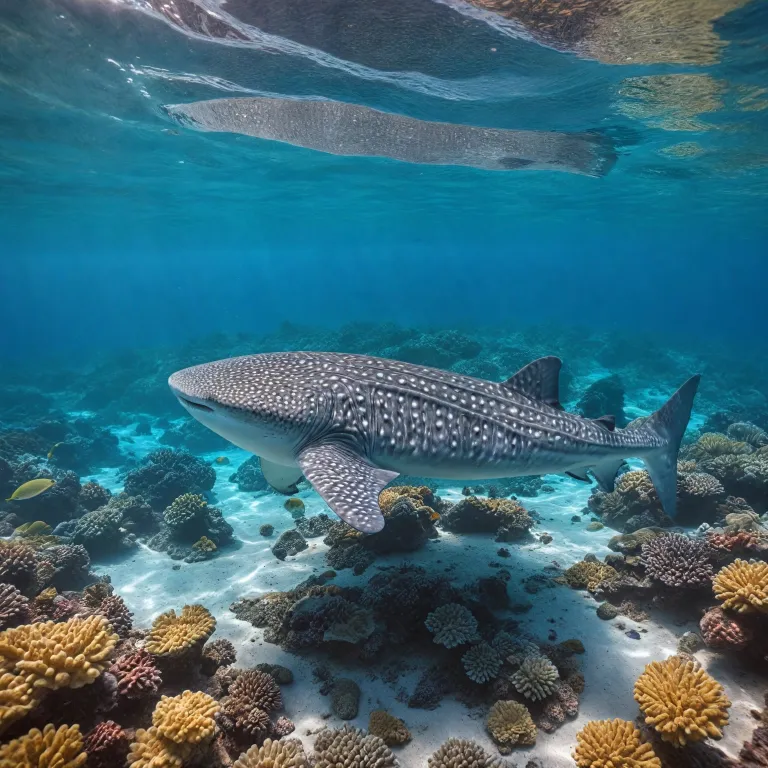
Understanding whale sharks and their role in marine ecosystems
Whale sharks, the largest fish in the sea, are gentle giants that inspire awe among marine enthusiasts. These magnificent creatures can reach an average length of 12 meters, making any swim with a whale shark an extraordinary experience. Their presence is vital for maintaining the balance of marine life, as they filter-feed on plankton and small fish, contributing to the health of ocean ecosystems. Swimming with whale sharks offers a rare opportunity to witness the harmony of marine life and the importance of conservation efforts.
Whale sharks are found in warm, tropical seas around the world, including renowned destinations such as Mexico, the Galapagos, and Mafia Island. Each location offers unique opportunities to swim with whale sharks, with some regions also providing encounters with other marine species like humpback whales. The best time for swimming with whale sharks varies by destination, and understanding these seasonal patterns is essential for planning a successful trip. Local tour operators and marine conservation organizations play a crucial role in guiding travelers and ensuring ethical interactions with these gentle giants.
Marine national parks and protected areas are often the best places to observe whale sharks and participate in shark diving or snorkeling activities. These areas support responsible tourism and contribute to the preservation of whale sharks and their habitats. By choosing to swim with whale sharks in these regions, travelers support conservation initiatives and help sustain local economies through eco-tourism.
Top destinations for swimming with whale sharks: from isla mujeres to the galapagos
Mexico stands out as one of the best places to swim with whale sharks, particularly around Isla Mujeres and the Sea of Cortez near Baja California. The waters off Isla Mujeres are famous for their annual whale shark aggregation, offering travelers the chance to swim with dozens of these majestic animals during the peak season from June to September. Shark diving and snorkeling tours are widely available, with local operators adhering to strict guidelines to protect both the whale sharks and participants.
The Galapagos Islands are another premier destination for swimming with whale sharks, especially around Wolf and Darwin Islands. These remote sites are accessible primarily to experienced divers, and the best time to visit is from June to November. The Galapagos marine life is incredibly diverse, with opportunities to dive with whale sharks, hammerheads, and even humpback whales. For those interested in marine conservation, the Galapagos National Park offers educational programs and supports ongoing research on whale shark populations.
Mafia Island in Tanzania is gaining recognition as a top spot for swimming with whale sharks. The best time to visit is between October and February, when the gentle giants congregate in the warm waters off the island. Local tour operators emphasize ethical encounters, ensuring that swimming with whale sharks is both safe and respectful. For more information on planning your trip to these destinations, visit our comprehensive guide to marine wildlife adventures.
Essential tips for a safe and ethical whale shark encounter
When planning to swim with whale sharks, it is crucial to select reputable tour operators who prioritize the well-being of both travelers and marine life. Book tours with companies that follow ethical guidelines, such as limiting the number of swimmers per shark and maintaining a safe distance. This approach minimizes stress on the whale sharks and ensures a positive experience for all participants. Remember, "Choose operators that follow guidelines to minimize disturbance to the animals and their environment."
Understanding the best time to swim with whale sharks in your chosen destination is key to maximizing your chances of a successful encounter. For example, the best time in Mexico is from June to September, while in the Maldives, whale sharks can be seen year-round, with peak sightings from May to December. Always check local regulations and seasonal patterns before booking your trip. For those interested in diving with whale sharks, ensure you have the appropriate certification and experience, as some locations require advanced scuba diving skills.
Respect for marine life extends beyond whale sharks. Many destinations also offer opportunities to swim with humpback whales, observe dolphins, or explore vibrant coral reefs. By supporting eco-friendly operators and participating in responsible tourism, travelers contribute to the long-term protection of marine ecosystems. For more details on ethical wildlife tourism, explore our marine conservation travel resources.
Best practices for swimming and diving with whale sharks
Swimming with whale sharks is a privilege that comes with responsibility. Always follow the instructions provided by your guide, and use only the recommended snorkeling or scuba diving equipment. Avoid touching or riding the whale sharks, as this can cause them stress and disrupt their natural behavior. The use of eco-friendly boats and practices helps minimize the environmental impact of your trip, ensuring that future generations can also enjoy swimming with these gentle giants.
Shark diving is a popular activity in regions like Baja California and the Galapagos, where experienced divers can encounter whale sharks, hammerheads, and other marine species. The best time for shark diving varies by location, so research the seasonal patterns and book your trip accordingly. Swimming with whale sharks is suitable for both snorkelers and divers, with many tours offering options for all skill levels. "Do I need to be a certified diver to swim with whale sharks? No, many tours offer snorkeling opportunities suitable for non-divers."
Marine national parks and protected areas provide safe environments for swimming with whale sharks and exploring the rich biodiversity of the sea. These areas are managed by local authorities and conservation organizations, ensuring that tourism activities are conducted sustainably.
Planning your trip: timing, logistics, and local partnerships
Timing is critical when planning a trip to swim with whale sharks. Research the best time for sightings in your chosen destination, as whale shark migrations are often seasonal. In Mexico, the peak season is June to September, while in the Maldives, whale sharks can be seen throughout the year. The Galapagos and Mafia Island also have specific periods when whale sharks are most abundant, so plan your travel accordingly.
Partnering with local tour operators and marine conservation organizations enhances your experience and supports the communities that protect these gentle giants. These actors provide guided tours, educational programs, and insights into the behavior of whale sharks and other marine life. "Book tours with reputable operators who follow ethical guidelines." This ensures your trip is both enjoyable and responsible, contributing to the preservation of whale sharks and their habitats.
Logistics such as transportation, accommodation, and equipment rental should be arranged in advance. Many destinations offer packages that include snorkeling or scuba diving gear, boat transfers, and guided excursions. By planning ahead and choosing ethical operators, you can enjoy a seamless and rewarding adventure swimming with whale sharks, diving with sharks, and exploring the wonders of the sea.
Conservation impact: supporting marine life and local communities
Swimming with whale sharks is more than a thrilling adventure; it is an opportunity to support marine conservation and local economies. Eco-tourism generates revenue that funds research, habitat protection, and community development initiatives. By participating in responsible tourism, travelers help ensure the survival of whale sharks and the health of marine ecosystems for generations to come.
Marine conservation organizations work tirelessly to protect whale sharks and their habitats, often collaborating with local tour operators and national parks. These partnerships promote sustainable practices, such as limiting boat traffic, enforcing no-touch policies, and educating visitors about marine life. "How can I ensure my whale shark encounter is ethical? Choose operators that follow guidelines to minimize disturbance to the animals and their environment."
Supporting local communities is integral to the success of conservation efforts. Many tour operators employ local guides, invest in community projects, and promote environmental stewardship. By choosing to swim with whale sharks in destinations like Isla Mujeres, Baja California, or Mafia Island, travelers contribute to the well-being of both marine life and the people who depend on these ecosystems.
Expanding your adventure: exploring diverse marine life and unique experiences
While swimming with whale sharks is a highlight for many travelers, these destinations offer a wealth of additional marine experiences. The Sea of Cortez, known as the "Aquarium of the World," is home to diverse marine life, including dolphins, sea lions, and humpback whales. Shark diving in the Galapagos provides encounters with multiple shark species, from whale sharks to hammerheads, in pristine underwater environments.
Isla Mujeres and Baja California are renowned for their vibrant coral reefs, making them ideal for scuba diving and snorkeling. The best time for swimming with whale sharks often coincides with peak visibility and marine activity, enhancing your overall experience. Mafia Island offers tranquil waters and abundant marine life, perfect for those seeking a more secluded adventure.
For travelers interested in expanding their knowledge of marine ecosystems, many destinations offer educational programs and citizen science opportunities. Participating in these initiatives deepens your understanding of whale sharks, marine life, and the importance of conservation. Whether you are swimming with whale sharks, diving with sharks, or exploring national parks, each trip supports the ongoing protection of our planet's oceans.
Key statistics about whale sharks and marine adventures
- Average length of whale sharks: 12 meters
- Estimated global population of whale sharks: 7,000 individuals
Frequently asked questions about swimming with whale sharks
Are whale sharks dangerous to humans?
No, whale sharks are gentle filter feeders and pose no threat to humans.
Do I need to be a certified diver to swim with whale sharks?
No, many tours offer snorkeling opportunities suitable for non-divers.
How can I ensure my whale shark encounter is ethical?
Choose operators that follow guidelines to minimize disturbance to the animals and their environment.
For further reading, consult the Marine Conservation Institute, International Union for Conservation of Nature (IUCN), and local marine conservation organizations.