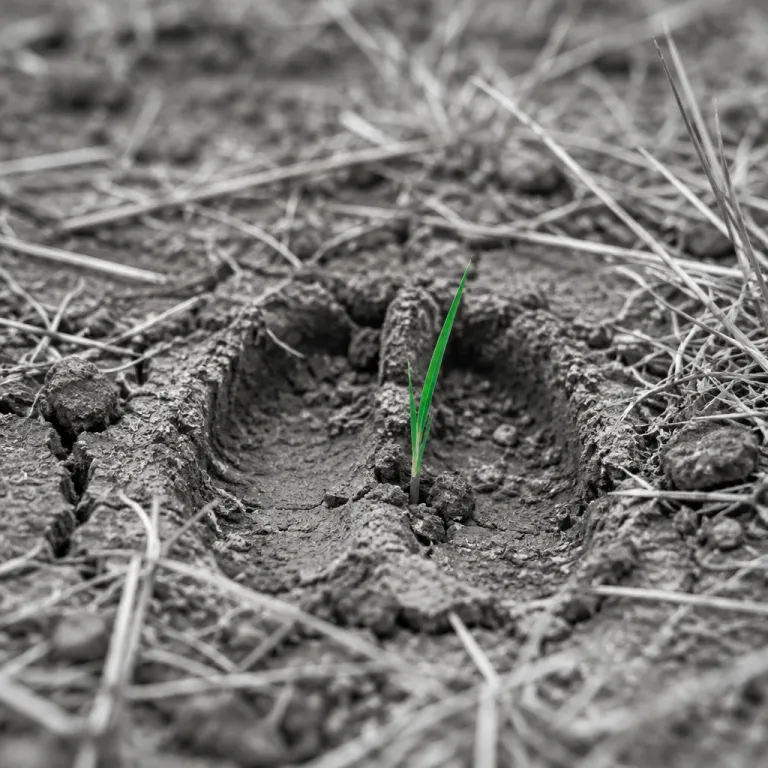
Maasai Mara after migration green season: a quieter, wilder stage
The Maasai Mara after migration green season feels like a deep exhale. Once the great herds of wildebeest migration drift back toward the Serengeti, the plains of the Masai Mara soften into fresh grass, scattered flowers, and a calmer rhythm of wildlife. This is the best time of year for travelers who want a quieter mara safari and a more nuanced safari experience rather than a single dramatic river crossing.
In this shoulder season, the main reserve and surrounding conservancies shift from dust to a vivid palette of greens, with storm clouds building over one of East Africa’s most storied safari destinations. The Masai Mara National Reserve still holds impressive numbers of resident animals, yet the absence of dense wildebeest herds changes how you read the landscape during game drives. You notice the smaller wildlife, the birds, and the subtle tracks that guides follow across the conservancy grasslands at this time of year.
For couples planning a luxury safari, the Maasai Mara after migration green season often brings lower nightly rates and more flexible time to visit Masai camps that are fully booked during peak migration season. You still access the same national reserve and the same great game drive routes, but with fewer vehicles at sightings and more space to linger with animals. Many Kenya operators quietly consider this the best time for immersive wildlife viewing, especially if you value intimacy over spectacle in your Africa travels.
How the ecosystem shifts when the wildebeest herds move on
When the great migration herds peel away from the Masai Mara, the ecosystem rebalances around its resident wildlife. Zebra, topi, Thomson’s gazelle, and Maasai giraffe remain in the national reserve and in private conservancy areas, but they spread out more evenly once the pressure of two million wildebeest eases. This dispersal changes the feel of every game drive, turning each mara safari into a slower, more investigative safari experience.
Grass that was hammered short during the peak migration season now shoots up quickly with the first showers, creating a classic green season look across the Masai Mara. The best guides use this time of year to track less obvious animals, from serval cats hunting in the longer grass to bat eared foxes emerging at dusk on the edges of the main reserve. Birdlife also surges, and many Kenya based ornithologists rate this as the best time to visit Masai Mara for raptors and migrant species from other parts of Africa.
With fewer vehicles in the national reserve, couples often find they can spend unhurried time with a single pride of lions or a solitary cheetah without the convoy effect that sometimes shadows the great migration. If you are weighing different safari destinations, this period in the Maasai Mara after migration green season offers a strong counterpoint to more arid ecosystems such as Hwange, which you can explore in depth through this detailed look at why Hwange deserves to be your first Zimbabwe safari, not your add on. Across the wider East Africa region, this quieter time year in the Masai Mara rewards travelers who prefer layered wildlife viewing over crowd chasing.
Predators, green light, and the photographic case for this season
Predators do not leave when the wildebeest migration moves south ; they adapt. In the Maasai Mara after migration green season, lion prides tighten their territories around reliable resident prey, while leopards work the riverine thickets that stay lush even as other parts of the reserve dry. Cheetahs, which often shadow the great herds during peak migration season, refocus on gazelles and young animals scattered across the conservancy plains.
For photographers, this time of year in the Masai Mara can be the best season for mood and texture. The green plains of the national reserve act as a soft reflector, bouncing light into the eyes of animals during early morning game drives, while afternoon storms build dramatic skies over one of Africa’s most iconic safari destinations. Compared with the dry, dusty look of other times of year, the Maasai Mara after migration green season offers rich contrast, clean backgrounds, and fewer vehicles in your frame during mara safari outings.
Couples who have already experienced a classic dry season luxury safari in another national park, perhaps timed around a shoulder season window in Southern Africa, often find this green season in Kenya a refreshing counterpoint ; you can read more about that kind of flexible timing in this guide to September in Southern Africa, the shoulder season window that rewards the flexible traveler. In the Masai Mara, the great migration may have passed, but the predator action remains intense, with lions testing buffalo, leopards ambushing impala, and hyenas working the night shift across the main reserve. The key difference is that you often share these sightings with only a handful of other vehicles, giving you more time to absorb each scene.
Rates, where to stay, and which areas shine post migration
From a pricing perspective, the Maasai Mara after migration green season usually sits below the peak rates charged during the height of the wildebeest migration. Many luxury safari camps in both the Masai Mara National Reserve and the surrounding conservancy areas shift to shoulder season tariffs, which can reduce the overall cost of a Kenya itinerary without compromising on wildlife. For couples, this can be the best time year to secure a top tier tent or suite that would be out of reach during the busiest migration season.
Choosing where to stay becomes more strategic once the great herds have gone, because resident game densities vary between the main reserve and each conservancy. Some conservancies bordering the Masai Mara hold strong populations of lions and other animals year round, while others excel for quieter wildlife viewing and walking safaris at this time of year. A well planned mara safari might combine two areas, giving you access to the national reserve for classic game drives and to a conservancy for night drives and off road tracking that are not allowed in the main reserve.
When comparing safari destinations across East Africa, the Maasai Mara after migration green season stands out for its balance of value, luxury, and predator density. You still enjoy a fully fledged safari experience, but with more flexible time to visit Masai communities, linger over sundowners, or even plan a contrasting marine adventure such as swimming with whale sharks, which you can research in depth through this guide to where to swim with whale sharks and the best places and times for unforgettable marine adventures. For many repeat visitors to Africa, this is the season when the Masai Mara feels most like a working ecosystem rather than a stage set for the great migration alone.
Practical realities: roads, rains, and planning your time to visit
Planning a trip to the Maasai Mara after migration green season means understanding how the short rains shape daily logistics. Showers can be intense but often brief, turning some tracks in the national reserve into slick mud while leaving other routes perfectly passable for game drives. Experienced guides in Kenya read the clouds and adjust the safari experience in real time, choosing where to enter or exit the main reserve based on river levels and recent rainfall.
Road conditions in both the Masai Mara National Reserve and the surrounding conservancy areas can vary widely at this time of year, so a well maintained 4x4 and a seasoned driver guide are non negotiable. Some remote corners of the reserve may be harder to reach, but the trade off is that the plains close to all weather roads often hold excellent concentrations of animals, from resident wildebeest to big cats that follow them. For couples, this can be the best time to focus on fewer areas and deepen your wildlife viewing rather than trying to cover every corner of the park.
When you weigh the time year for different safari destinations, remember that the Maasai Mara after migration green season is not about ticking off the wildebeest migration itself. It is about seeing how the Masai Mara breathes once the pressure of the great migration lifts, revealing a more intimate side of Africa’s most famous national park. If you value space, storm light, and the feeling that the reserve belongs to the animals again, this can be the ideal time to visit Masai Mara and to understand why so many seasoned travelers return in this quieter season.
FAQ
Is there still good wildlife viewing in the Maasai Mara after the migration
Yes, wildlife viewing remains excellent in the Maasai Mara after migration green season because many animals are resident year round. Lion prides, leopards, cheetahs, elephants, and substantial numbers of resident wildebeest and zebra stay in the national reserve and conservancies. You lose the spectacle of mass river crossings, but gain calmer sightings and more time with each animal.
What is the best time of year to visit Masai Mara if I want fewer crowds
The period immediately after the peak wildebeest migration, during the early green season, is often the best time year for fewer vehicles. Rates usually drop from peak levels, and the Masai Mara National Reserve feels noticeably quieter. This time to visit Masai Mara suits couples who prefer space, flexibility on game drives, and a more relaxed safari experience.
How does the green season affect road conditions and game drives
Short rains during the Maasai Mara after migration green season can make some tracks muddy, especially in black cotton soil areas. Professional guides adjust routes daily, using all weather roads and higher ground to maintain safe access to key wildlife areas. Game drives may start slightly later or return earlier on very wet days, but most itineraries still deliver strong sightings.
Are luxury safari camps open outside the peak migration season
Many luxury safari camps and lodges in the Masai Mara remain open throughout the year, including the quieter green season. During this time, some properties offer more attractive rates and added value, such as longer game drives or private vehicles. For couples seeking a high end yet less crowded mara safari, this can be an ideal window.
Will I still see any part of the wildebeest migration if I travel late in the season
By the time the Maasai Mara after migration green season settles in, the main wildebeest migration herds have usually moved back toward the Serengeti. You may still encounter smaller groups of wildebeest and zebra that remain resident in the reserve. However, if your priority is the full great migration spectacle, you should plan for an earlier time year and treat the green season as a different, more intimate style of safari.