Why October’s short rains are East Africa’s best kept safari secret
October in East Africa sits in that rare safari sweet spot where the first short rains cool the dust without washing out your game drives. This is the moment when an October safari in East Africa aligns value, wildlife viewing and atmosphere so precisely that regulars quietly book it while most travelers still chase the classic dry season. If you are weighing the best time for an African safari trip, this is the season when prices soften, the savannah greens and the drama intensifies.
Across Kenya and Tanzania, many camps shift from peak dry season rates to October shoulder pricing that can be 30 to 50 percent lower than the height of the great migration months. That means October safari East Africa short rains deals often unlock a level of luxury safari normally out of reach for a solo traveler, from smaller tented camps in a remote national park to more polished lodges near key wildlife corridors. You still access prime wildlife viewing, but with fewer vehicles at sightings and more time to sit with a scene rather than queue for it.
The phrase short rains worries first timers who imagine a full rainy season downpour, yet the reality in much of East Africa is different. In most core safari areas, the pattern is clear mornings for game viewing, building clouds over the African plains, then a sharp afternoon or evening shower that passes quickly. This rhythm keeps temperatures comfortable, refreshes the bush and creates the kind of textured skies and clean air that photographers chase all year round.
For solo explorers, that combination of softer light, lower rates and a more relaxed pace changes the entire safari experience. You can stretch your time to visit both Kenya and Tanzania in a single trip, pairing a few days in the Masai Mara with a contrasting national park such as Tarangire or the northern Serengeti. The result is not just one African safari, but a sequence of safaris across different ecosystems, each responding differently to the season and the first rains.
Compared with the crowded dry season from June to October, the October shoulder period in East Africa feels more intimate and less choreographed. Guides are not racing between radio calls, and you are more likely to sit quietly with a single lion pride or elephant herd, watching how they respond to the changing season. For many seasoned travelers to Africa, this is the best time to feel the bush breathing again after the long dry months.
Night drives, where permitted, also take on a different character once the short rains begin to cool the ground. Predators move earlier, and smaller nocturnal species become more active in the comfortable air after a brief shower. If you are curious about how after dark game viewing works in practice, our guide to where night drives are permitted and what the spotlight reveals sets clear expectations for this side of the safari experience.
Wildlife behaviour, migration shifts and the photographic payoff
By October, the great migration herds that crowded the Masai Mara during the height of the dry season begin to drift south, pulled by the promise of new grass in northern Tanzania. This is where October safari East Africa short rains deals intersect with serious wildlife viewing, because you can follow that movement into quieter corners of the Serengeti while rates are easing. The migration is no longer a single dense river crossing spectacle, but a looser, more atmospheric flow of wildebeest and zebra across a vast African landscape.
Predators respond quickly to this shift in both Kenya and Tanzania, tracking the herds as they move from one national park to the next. Lions and cheetahs often patrol the edges of fresh green flushes, while hyenas work the margins, and this creates superb game viewing without the vehicle traffic of peak season. You are watching an African ecosystem recalibrate in real time, rather than ticking off a list of sightings in a crowded river bend.
The short rains also trigger a subtle but important change in wildlife behaviour beyond the headline migration. Plains game begin to feed more widely once the first shoots appear, and many species start preparing for the calving that will follow later in the green season. Birdlife responds almost immediately, with migratory species arriving from Europe and Asia, turning an already rich African safari into a layered wildlife experience that rewards patience and good optics.
Photographers often rate October in East Africa as the best time for mood and colour rather than sheer density of animals. The air, scrubbed of dust after each shower, gives long clean views across the savannah, while storm fronts build into sculpted backdrops behind lone acacia trees and moving herds. When a shaft of late afternoon light breaks through onto a lion or elephant against that sky, the images feel very different from the harsh contrast of the peak dry season.
For a solo traveler, this season also changes how you shoot and move on safari. You can linger longer at a single sighting, working different angles as clouds shift and animals respond to the cooler air, rather than rushing on to the next radio call. That slower rhythm mirrors the October safari East Africa short rains deals ethos overall, where time becomes your main luxury and the experience feels more personal.
If you are drawn to immersive wildlife experiences beyond the savannah, the same logic of shoulder season value applies in other ecosystems. Our feature on snorkeling liveaboard adventures in the Coral Triangle explores a similar balance of timing, conditions and pricing in a marine context. The principle is constant : understand the season, travel just off peak, and you gain both better conditions and more authentic encounters.
Where to go in October: Masai Mara, Serengeti, Amboseli and beyond
Choosing the right national park is crucial if you want October safari East Africa short rains deals to work in your favour. In Kenya, the Masai Mara remains compelling in October, with resident wildlife holding strong even as the main migration herds begin to move south. You lose some of the great migration density, but gain quieter sightings of big cats, elephants and plains game in a landscape just starting to green.
Amboseli, further east near the Tanzania border, comes into its own at this time of year. The first short rains refresh the swamps beneath Kilimanjaro, drawing in large elephant herds and offering some of the best wildlife viewing in Kenya for those iconic elephant and mountain compositions. Because this is not the classic dry season window, rates often soften here too, making it a smart inclusion in a value conscious African safari itinerary.
In Tanzania, the northern Serengeti and central regions such as Seronera are strong October bets, especially as the herds begin their southward migration. You are positioned to intercept moving columns of wildebeest and zebra without the intense pressure of peak river crossing months, and guides can often secure longer, more exclusive sightings. Tarangire, with its baobabs and elephants, also responds beautifully to the first rains, though road conditions can vary by year and by specific area within the park.
Solo travelers sometimes ask whether they should instead look to southern Africa or even South Africa for October value. While October can be excellent in parts of southern Africa, the specific combination of short rains, migration dynamics and October safari East Africa short rains deals is unique to this region. If you want to understand how predators adapt to harsher conditions further south, our in depth look at the Kalahari desert lion and its resilience offers a useful counterpoint to the greener East African picture.
Beyond the headline parks, conservancies bordering the Masai Mara and private concessions in northern Kenya such as Samburu often offer excellent October value. These areas typically cap vehicle numbers, which means your game viewing is more controlled and your time with each sighting is rarely rushed. For a solo explorer, that can be the difference between a standard safari and an experience that feels genuinely tailored to how you like to travel.
If you are tempted to add extensions such as gorilla trekking in Rwanda or Uganda, or a side trip to Victoria Falls in southern Africa, be aware that October conditions vary by region. Gorilla trekking remains possible year round, but trails can be slick after rain, while Victoria Falls water levels in October are often lower on the Zambian side. The key is to treat East Africa as your October anchor, then layer other African experiences around it only if the season aligns with your expectations.
How the short rains change packing, planning and overall value
Traveling in October during the short rains requires a slightly different approach to packing and planning than a classic June to October dry season safari. Mornings in East Africa can feel cool after a night of rain, so think in layers : a light base, a warm mid layer and a windproof outer shell that can handle a brief shower. By midday, temperatures usually rise, and you will strip back to a shirt while the bush steams gently in the renewed sun.
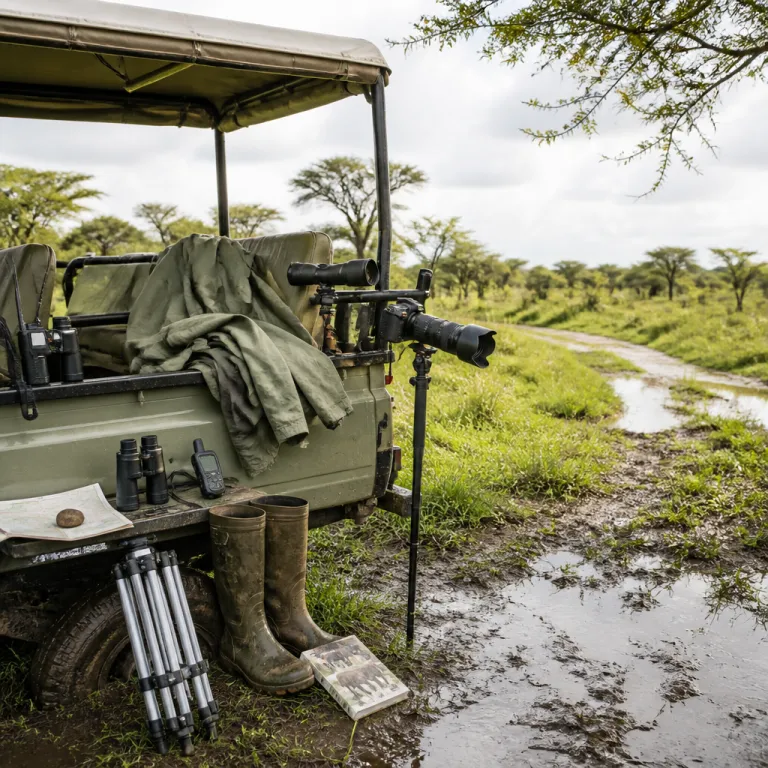
Footwear deserves more attention at this time of year, especially if you plan any walking safaris or time outside the vehicle. Trails and camp paths can be muddy after a shower, so opt for closed shoes with good grip rather than open sandals, and pack quick drying socks to rotate between drives. A simple waterproof cover for your daypack and a dry bag or rain sleeve for your camera will protect your gear during those short, sharp bursts of rain.
From a planning perspective, October safari East Africa short rains deals are about more than just a lower nightly rate. Many camps offer longer stay incentives in this shoulder season, which means you can spend extra nights in a single national park and deepen your understanding of its rhythms. That extra time visit allows you to see how wildlife behaviour shifts from one day to the next as the season turns, which is something a quick two night stop rarely reveals.
Solo travelers should also pay attention to single supplements, which are often more negotiable in October than during the peak dry season. Some properties waive them entirely in this shoulder period, effectively upgrading your experience from a budget focused safari to something closer to a luxury safari without a corresponding jump in cost. When you combine that with quieter vehicles and more flexible guiding, the overall value proposition becomes hard to ignore.
Finally, remember that East Africa is not a monolith, and conditions can vary between Kenya, Tanzania and neighbouring regions in any given year. Work with an operator or camp that understands how the short rains are tracking in real time, and be open to small itinerary tweaks that follow the best wildlife viewing rather than a rigid plan. That willingness to adapt is what turns October’s changeable weather into an asset rather than a risk.
For many repeat visitors to Africa, this is the season they quietly book for themselves while recommending the safer sounding dry season to friends. Once you have watched a storm roll across the Serengeti, then stepped out the next morning into a world washed clean and alive with scent and sound, it is difficult to go back. October in East Africa, with its short rains, shifting migration and generous deals, becomes less a compromise and more the way you want to experience the continent every year.
FAQ: October safaris and the short rains in East Africa
Is October a good time for safari in East Africa ?
October is an excellent time for safari in East Africa if you value fewer vehicles, softer pricing and a greener landscape. The short rains usually mean brief showers rather than all day downpours, so morning and late afternoon game drives typically run as normal. You still see strong resident wildlife in places like the Masai Mara and Serengeti, with the added benefit of dramatic skies and refreshed vegetation.
Will the short rains ruin my game viewing ?
The short rains rarely ruin game viewing, and often improve it. Most showers arrive in the afternoon or evening, leaving mornings clear for drives, and animals remain active as they adjust to cooler temperatures and new grazing. Roads can be muddy in places, but experienced guides know which tracks to avoid, and the cleaner air after rain often improves visibility for long distance sightings.
How do October prices compare to peak season rates ?
In many Kenyan and Tanzanian camps, October rates sit in a shoulder season band that is typically 30 to 50 percent lower than the highest peak season prices. You may also find longer stay offers or reduced single supplements that make an extended trip more affordable for solo travelers. This is why October safari East Africa short rains deals are so attractive for those seeking a higher level of comfort without peak season costs.
What should I pack differently for an October safari ?
For an October safari, focus on layers, waterproof protection and footwear that can handle mud. A light rain jacket, a warm mid layer for cool mornings, and a dry bag or rain cover for your camera and daypack are essential. Closed shoes with good grip and quick drying socks will make walking around camp and on any bush walks more comfortable after showers.
Can I still see the great migration in October ?
You can often intersect parts of the great migration in October, but not in the dense river crossing format of peak months. By this stage, many herds are moving south through the Serengeti, so you are more likely to see long columns of animals on the move rather than concentrated crossings. Working with a knowledgeable operator who tracks the herds’ position each season will give you the best chance of aligning your itinerary with their route.