Why the African night changes the rules of safari
Most travellers arrive in Africa expecting a daytime safari, yet the african night holds an entirely different script for wildlife. When you step into a nocturnal safari night wildlife Africa setting, you realise that the classic game drives you have seen in brochures show only half the animals and barely a fraction of their behaviour. A serious safari adventure in the bush must include at least one carefully guided night safari to feel remotely complete.
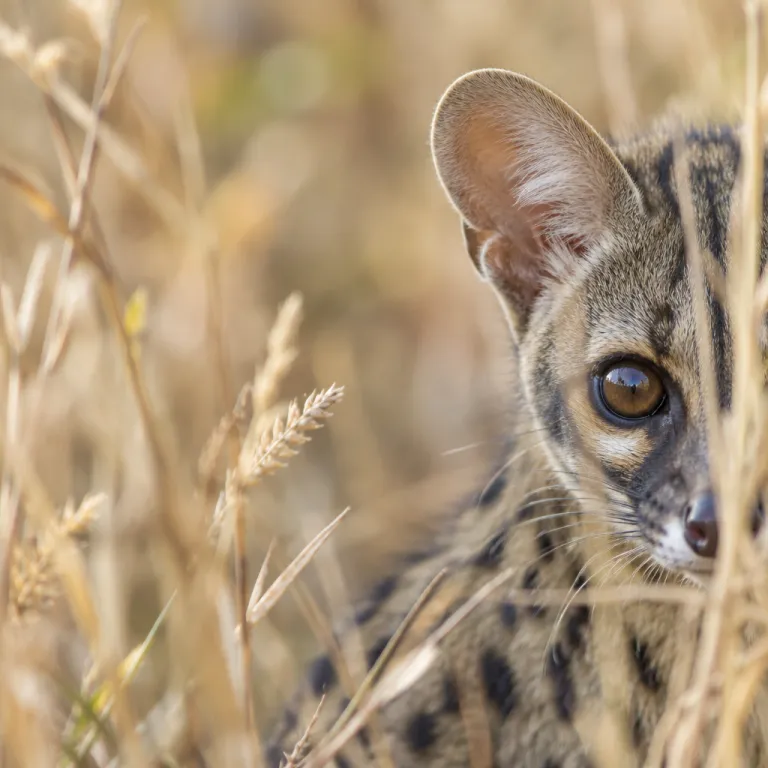
Across the african savannah, a quiet biodiversity gap hides in plain sight, because many of the most specialised nocturnal animals are almost never seen on standard safaris. Aardvark, pangolin, bushbaby, civet, genet and African wild cat are archetypal creatures of the african night, yet most guests leave even a famous national park without knowing these animals exist, let alone how they shape the ecosystem. The result is a skewed mental map of africa where daytime herbivores and a few headline predators stand in for a far richer web of wildlife.
Think of a typical first time safari in south africa or park Tanzania, where the rhythm is sunrise game drive, long brunch, afternoon game drives, then drinks by the fire. Night drives are often sold as an optional extra, framed as a novelty rather than a core part of the safari night experience. That framing quietly tells you that the real action happens under the sun, and that nocturnal animals are a sideshow rather than the engineers of the bush.
Yet in every serious game reserve, from Sabi Sand and Sabi Sands in south africa to Ruaha National Park Tanzania and the Okavango Delta in Botswana, the biomass of nocturnal wildlife is enormous. Many small predators, insectivores and foraging mammals have evolved to avoid the heat and the visual dominance of diurnal hunters, turning the night game into a complex, low light chessboard. When you join a well run night drive with a skilled guide, the beam of the spotlight does not just pick out eyeshine ; it reveals how much of africa you have been missing.
The irony is that our selective attention to wildlife is reinforced by the very language of safaris. We talk about a game drive as if it were a single, generic activity, when a night drive and a day drive are as different as snorkelling and deep sea diving. Until travellers start asking specifically for night safaris, night game experiences and nocturnal safari night wildlife Africa itineraries, operators will keep treating the african night as an add on rather than a defining dimension of the bush.
The predators you think you know, and the ones you do not see
Predators are the main reason many travellers book safaris, yet their reputations are built almost entirely on daytime sightings. On a typical game drive you might watch lions sleeping, a leopard draped over a branch, or hyenas slinking along a track, and assume you have seen their essence. Step into a carefully managed night safari, however, and those same animals rewrite the script of nocturnal safari night wildlife Africa.
Lion prides that looked comatose at noon become coordinated hunters once the light drains from the sky. On night drives in Sabi Sands or another private game reserve in south africa, you can watch lions use the cover of the african night to stalk along drainage lines, testing the wind and listening for the faintest hoof scrape. Hyenas, often dismissed as scavengers during the day, reveal themselves as efficient nocturnal animals, coursing through the bush with purpose and reading scent trails that are invisible to us.
Leopards are perhaps the clearest example of how our daytime focus distorts our understanding of wildlife. A leopard seen on a daylight game drive is usually resting, digesting or moving between thickets, but on a night drive the same cat becomes a ghost that owns the darkness. In Sabi Sand and the Okavango Delta, I have watched leopards use the faintest ambient light to freeze, melt into the grass, then reappear metres away, turning the night game into a masterclass in stealth.
Smaller predators are even more tightly bound to the african night, and they rarely feature in standard safaris. The bat eared fox, with its radar dish ears, is a classic example ; it forages mostly after dark, listening for termites and beetles beneath the soil, and you are unlikely to see either a single bat eared fox or whole bat eared fox families on a conventional day drive. African wild cats, genets and civets also work the night shift, and a good guide will use the spotlight sparingly to catch their eye reflections without overwhelming them with light.
For solo travellers who want to push beyond the usual safari adventure, pairing a night drive with a minimalist sleep out can be transformative. Properties that offer star beds or open air platforms, such as those featured in this guide to safari sleep outs and star beds, allow you to hear predators vocalise, patrol and interact long after the vehicles return to camp. In that setting, nocturnal safari night wildlife Africa stops being a curated show and becomes a continuous soundscape of lions roaring, hyenas whooping and owls hunting above your head.
Light, ethics and the specialised craft of guiding after dark
Once the sun drops, the technology you use on a safari can either reveal a hidden world or distort it. Traditional night drives rely on a handheld spotlight, swept slowly across the bush to catch the eyeshine of nocturnal animals without holding the beam on them for too long. In the best operations, the guide and tracker treat that light as a surgical tool, not a floodlight for entertainment.
There is a growing debate across africa about how much artificial light is acceptable in a night safari or repeated night safaris. Some national park authorities allow only red filtered beams on night drives, arguing that red light is less disruptive to wildlife, while others in south africa and park Tanzania are experimenting with thermal imaging scopes that require no visible light at all. Thermal technology can be extraordinary for detecting animals, but it also risks turning the african night into a video game if guides are not trained to balance sightings with ethics.
Guiding after dark is a different profession from leading daytime game drives, and too few camps treat it that way. A guide who excels at reading tracks in the sand may be less confident interpreting alarm calls in the dark, or judging when a night drive is stressing a shy species such as a pangolin. The best teams in places like Ruaha National Park Tanzania, the Okavango Delta and Sabi Sands invest in specific training for night game work, including how to position the vehicle, when to switch off the engine and how to use the light in short, respectful bursts.
For travellers, the ethical questions around nocturnal safari night wildlife Africa should be part of the booking conversation. Ask whether the camp limits the number of vehicles at a night drive sighting, whether they avoid shining directly into the eyes of hunting predators, and how they handle encounters with sensitive nocturnal animals. If an operator treats night drives as a checklist exercise, racing from one set of eyes to another, you are not witnessing the bush ; you are watching wildlife endure a moving spotlight.
Night also sharpens your own senses in ways that change how you relate to the bush. Sitting in an open vehicle on a quiet night drive, with the engine off and the light extinguished, you start to hear the fine grained structure of the african night : a distant lion, the contact call of a bushbaby, the rustle of something small in the grass. That heightened awareness is the opposite of passive consumption, and it is where a thoughtful safari night experience begins to feel like a dialogue with the landscape rather than a show staged for visitors.
For travellers planning multi generational trips, these questions of ethics and attention matter even more. A three generation safari, such as those explored in this analysis of why the three generation safari may be the most important trip a family takes, can either pass on a model of respectful night safaris or normalise intrusive behaviour. Choosing camps and guides who treat the african night as a shared space rather than a stage is one of the most powerful decisions you can make.
The animals we overlook, and what that says about us
Our selective attention on safari is not just a logistical issue ; it is a philosophical one. When travellers talk about africa after a trip, they usually mention lions, elephants and perhaps a dramatic daytime game drive, but rarely the quiet nocturnal animals that shaped their nights. That silence around the smaller, stranger residents of the bush reveals as much about us as it does about the ecosystems we visit.
In many national parks, regulations still prohibit official night drives, which means that the only legal way to experience nocturnal safari night wildlife Africa is within private concessions or community conservancies. This regulatory patchwork across africa has historical roots in safety concerns and staffing limits, but it also reflects an older mindset that the bush is something to be viewed in daylight from a vehicle. Where progressive authorities in south africa, Tanzania and Botswana have allowed controlled night safaris, the data from researchers show that careful night game monitoring can coexist with strong conservation outcomes.
Our editorial team has seen this tension first hand in places as different as Ruaha National Park Tanzania and the Okavango Delta. In some sectors, guests return from a night drive speaking only about a lion sighting, even if they also saw a bat eared fox, a civet and a bushbaby in the same hour. The animals that do not fit the familiar safari narrative simply slide out of memory, as if the african night were a backdrop rather than a primary stage.
Paying attention to the overlooked is not just an ethical stance ; it is a richer way to travel. Solo explorers who ask their guide to focus on smaller nocturnal animals, to slow the vehicle and to sit quietly with a single bat eared fox or African wild cat, often come away with a deeper sense of connection than those chasing a fast paced night drive. That same curiosity can extend beyond mammals to less obvious subjects, from owls and nightjars to invertebrates, as shown in this close reading of arachnid life in the piece on tarantula anatomy and adaptation.
There is also a safety and perception layer that shapes how we talk about the african night. Many travellers arrive with a vague fear of being outside after dark in the bush, so they retreat to camp just as the most interesting behaviours begin, relying on distant lion roars as background sound. Camps that offer guided walks between tents, low level path light and clear briefings can turn that anxiety into a measured respect, allowing guests to feel the presence of wildlife without retreating entirely indoors.
Ultimately, the animal you cannot name on safari is a mirror. If you leave africa knowing every member of the Big Five but unable to describe a single nocturnal animal beyond “maybe a hyena”, your mental picture of the bush is incomplete. Choosing itineraries that prioritise night safaris, asking for guides who relish nocturnal work and supporting parks that manage night drives responsibly are small but meaningful ways to correct that imbalance in how we see wildlife.
Key figures that frame the nocturnal safari debate
- Across many African ecosystems, field studies by organisations such as the Zoological Society of London have shown that more than half of medium sized mammal species are primarily or exclusively nocturnal, meaning a traveller who skips night drives may miss the majority of locally present mammals.
- In South Africa, regulations in flagship reserves such as Kruger National Park allow only registered operators to conduct night drives, and park data have shown that controlled vehicle numbers and strict spotlight protocols can maintain stable predator populations over multiple decades.
- Camera trap surveys in Ruaha National Park in Tanzania, conducted by conservation groups working with the Tanzanian National Parks Authority, have documented high activity levels of species such as aardvark and civet between 20:00 and 04:00, with far lower detection rates during daylight hours.
- Long term monitoring in the Okavango Delta by Botswana based research projects has demonstrated that leopards and spotted hyenas shift a significant proportion of their hunting activity into full darkness, particularly on hotter nights, underscoring how daytime game drives capture only a partial view of predator behaviour.
- Visitor surveys from several private game reserves in South Africa have indicated that guests who participate in at least one guided night safari report higher overall satisfaction with their wildlife experience, especially when guides focus on smaller nocturnal animals rather than repeating daytime sightings under artificial light.