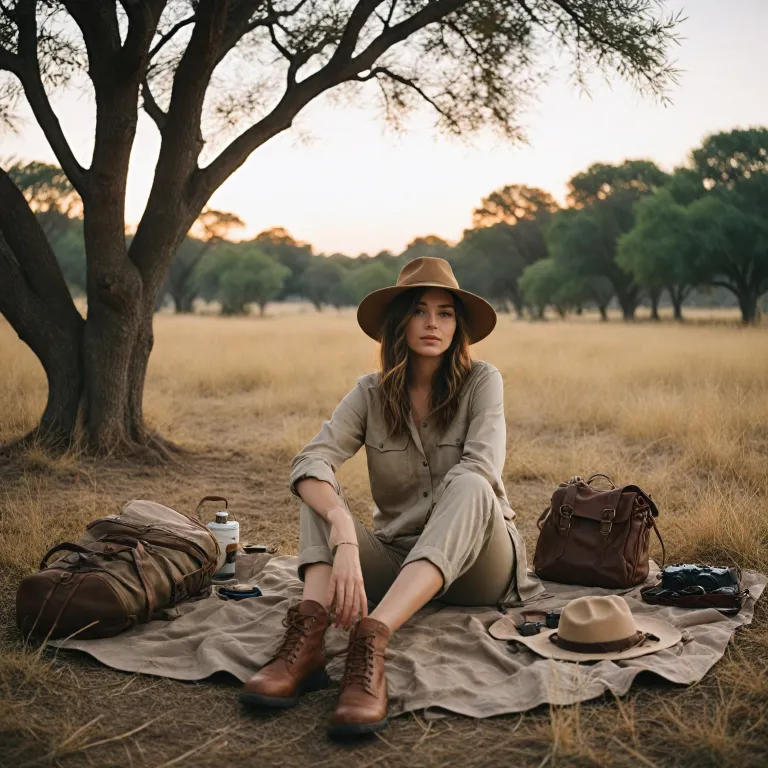
Understanding the essentials: Choosing the best safari clothing for African adventures
Planning a safari in Africa demands careful consideration of what clothing to wear and pack. The right safari clothing will enhance your comfort, safety, and wildlife viewing experience. Lightweight, breathable fabrics such as cotton work well in the warm African climate, especially during game drives and walks. Neutral tones like khaki, olive, and brown are best for blending into the environment, ensuring you do not disturb wildlife or attract insects. When you pack safari clothing, prioritize items that are easy to layer, as temperatures can shift dramatically from chilly mornings to hot afternoons.
Long sleeves and trousers are essential for protection against sunburn, insect bites, and scratches from vegetation. A wide brimmed hat offers vital shade, while sunglasses shield your eyes from the intense African sun. For footwear, closed-toe shoes are recommended for safety during walks, with sandals reserved for relaxing at safari lodges. The best safari packing list will include a warm layer for early morning game drives, as temperatures can drop significantly. Safari tour operators often provide detailed packing lists to help participants prepare, ensuring that your clothing pack is both practical and stylish.
Safari clothing innovations now include moisture-wicking, insect-repellent, and UV-protective features, making them ideal for the demands of an African safari. When you read travel guides or consult with safari experts, you will find that packing light is a recurring theme. A well-organized luggage safari setup allows you to move easily between safari lodges and game drives. Remember, the best safari experiences come from thoughtful preparation and a focus on comfort, safety, and style.
Packing for your trip: Building a practical safari packing list
Creating a comprehensive safari packing list is crucial for a successful African safari. Begin by researching the climate and terrain of your destination, as weather can vary between regions like South Africa and East Africa. Lightweight, quick-drying fabrics are ideal for travel, as they allow you to pack light and stay comfortable throughout your trip. Cotton shirts, long trousers, and a warm layer such as a fleece or jacket should form the foundation of your clothing pack. When you pack safari clothing, consider the activities planned, such as walking safaris, game drives, and evenings at the safari lodge.
Accessories play a significant role in your safari style. A wide brimmed hat is essential for sun protection, while a brimmed hat with a chin strap will work well in windy conditions. Sunglasses and a scarf or buff can shield you from dust and sun. For footwear, sturdy closed-toe shoes are necessary for walks, while lightweight sandals can be worn at the lodge. Remember to avoid bright colors and camouflage patterns, as these can attract insects or alarm wildlife. "Avoid bright colors and camouflage patterns; opt for neutral tones like khaki, brown, and olive." This expert advice ensures your clothing choices are both practical and respectful of the environment.
When you read travel recommendations, you will notice the emphasis on packing light and choosing versatile pieces. A well-thought-out safari packing list will include essentials such as insect repellent, sunscreen, and a reusable water bottle. For more tips on optimizing your packing list, explore our comprehensive safari packing guide. By preparing in advance, you will ensure that your clothing pack meets the demands of your African adventure.
Fabric choices and layering: Staying comfortable in changing African climates
The African climate can be unpredictable, with cool mornings, hot afternoons, and occasional rain. Selecting the right fabric for your safari clothing is key to staying comfortable throughout your trip. Lightweight, breathable materials such as cotton and technical blends work well for regulating body temperature. These fabrics wick moisture away from the skin, keeping you dry during game drives and walks. When you pack safari clothing, prioritize items that can be layered easily, allowing you to adapt to changing conditions.
Long sleeves and trousers made from light, durable fabric offer protection from the sun and insects. A warm layer, such as a fleece or insulated jacket, is essential for early morning and evening activities. "Yes, long sleeves and pants protect against sunburn, insect bites, and scratches from vegetation." This guidance from safari experts highlights the importance of thoughtful clothing choices. For those traveling to regions like South Africa or East Africa, a rain jacket or poncho can be a valuable addition to your clothing pack.
When you read travel advice, you will find that layering is a recurring theme. Start with a moisture-wicking base layer, add a lightweight shirt or blouse, and top with a warm layer as needed. This approach allows you to adjust your safari style throughout the day, ensuring comfort and practicality. For more on choosing the best fabrics and layering strategies, visit our expert safari clothing recommendations. The right clothing pack will make your African safari both enjoyable and memorable.
Safari style: Balancing function and fashion on your African adventure
Safari style is about more than just practicality; it reflects your approach to travel and adventure. The best safari clothing combines function with understated elegance, allowing you to feel confident and comfortable in any setting. Neutral colors such as khaki, olive, and brown are not only practical for wildlife viewing but also create a timeless, classic look. When you pack safari clothing, choose pieces that can be mixed and matched to create multiple outfits with minimal luggage.
Accessories such as a wide brimmed hat, lightweight scarf, and sturdy shoes complete your safari style. These items work well for both game drives and evenings at the safari lodge. "It's recommended to wear closed-toe shoes for safety, especially during walks; sandals can be worn at the lodge." This expert advice ensures your footwear choices are both safe and stylish. For those seeking inspiration, many safari lodges in South Africa and East Africa offer guidance on appropriate attire, helping you refine your clothing pack for every occasion.
When you read travel blogs or consult with safari tour operators, you will find that the best safari experiences come from thoughtful preparation and attention to detail. A well-curated clothing pack allows you to transition seamlessly from daytime adventures to evening relaxation. By balancing function and fashion, you will make the most of your African safari adventure.
Practical tips for packing light and maximizing your luggage on safari
Packing light is essential for a successful safari, especially when traveling between multiple safari lodges or regions. Many safari operators impose strict luggage limits, often requiring soft-sided bags that can be easily stowed in vehicles or small planes. When you pack safari clothing, focus on versatile, lightweight pieces that can be layered and worn multiple times. Neutral colors and quick-drying fabrics are ideal for travel, as they minimize the need for frequent washing and allow you to pack fewer items.
A well-organized clothing pack will include essentials such as a wide brimmed hat, sunglasses, and a warm layer for early morning game drives. Consider packing a small laundry kit, as many safari lodges offer laundry services for guests. This allows you to refresh your clothing pack without overloading your luggage safari. When you read travel advice, you will find that packing light not only makes travel easier but also enhances your overall safari experience.
To maximize your luggage safari, use packing cubes or compression bags to organize your clothing and accessories. This approach keeps your clothing pack tidy and makes it easy to find what you need. For those traveling to South Africa or East Africa, check with your safari tour operator for specific luggage requirements and recommendations. By following these practical tips, you will ensure that your safari packing is efficient, organized, and stress-free.
Expert advice and innovations in safari clothing for modern travelers
The world of safari clothing has evolved, with innovations designed to meet the needs of modern travelers. Today’s best safari clothing features moisture-wicking, insect-repellent, and UV-protective technologies, ensuring comfort and safety in the African wilderness. When you pack safari clothing, look for garments that offer these advanced features, as they will work well in a variety of conditions. Many outdoor retailers now offer specialized safari clothing lines, making it easier than ever to find the perfect clothing pack for your trip.
Safari tour operators and experienced travelers recommend consulting packing lists and weather forecasts before your trip. This ensures that your clothing pack is tailored to the specific demands of your destination, whether you are exploring South Africa, East Africa, or another region. When you read travel reviews and expert recommendations, you will find that the best safari experiences come from thoughtful preparation and attention to detail. Sustainable and eco-friendly safari clothing options are also gaining popularity, reflecting a growing awareness of environmental impact and conservation.
By embracing the latest innovations in safari clothing, you will enhance your comfort, safety, and enjoyment throughout your African adventure. For more expert advice and recommendations, consult with your safari tour operator or visit reputable outdoor retailers. A well-prepared clothing pack is the foundation of a memorable and rewarding safari experience.
Key statistics: Clothing choices and safety on safari
- Average daytime temperature in safari regions: 29.4°C (85°F)
- Percentage of safari participants experiencing insect bites: 60%
Frequently asked questions about safari clothing and packing
What colors should I avoid wearing on safari?
Avoid bright colors and camouflage patterns; opt for neutral tones like khaki, brown, and olive.
Is it necessary to wear long sleeves and pants on safari?
Yes, long sleeves and pants protect against sunburn, insect bites, and scratches from vegetation.
Can I wear sandals on safari?
It's recommended to wear closed-toe shoes for safety, especially during walks; sandals can be worn at the lodge.
Trusted references: National Geographic, World Health Organization, Safari Tour Operators