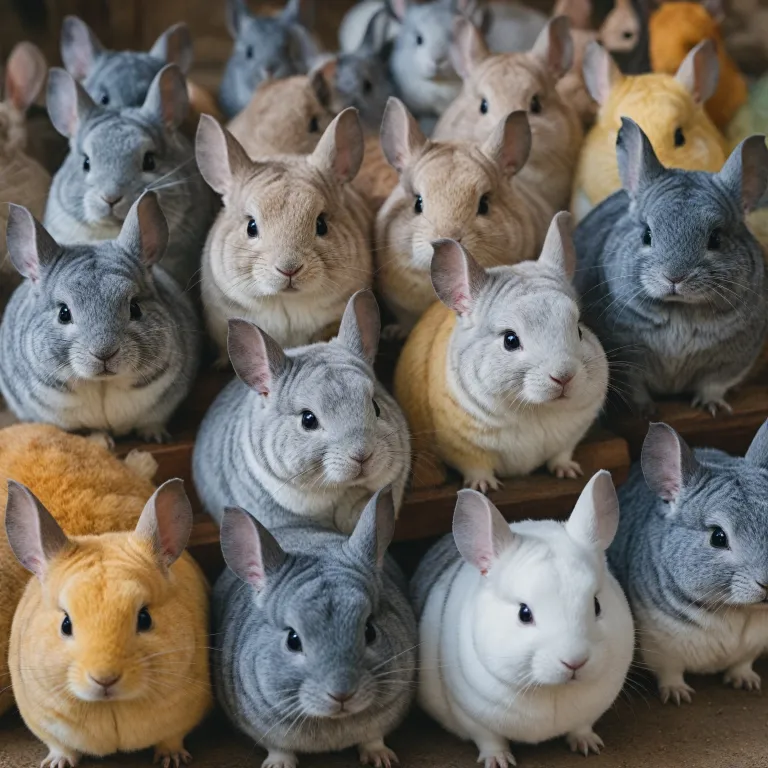
The spectrum of chinchilla colours: understanding the basics
Chinchillas captivate enthusiasts with their remarkable range of fur colors, each mutation reflecting years of selective breeding. The standard color, often referred to as standard gray, remains the most prevalent among chinchillas and closely resembles their wild ancestors. However, the fascination with chinchillas extends far beyond the standard, as breeders have developed a palette that includes white, beige, violet, ebony, sapphire, and more.
Each color mutation, such as white or beige, arises from specific genetic traits that can be either dominant or recessive. For example, the white mutation is highly sought after but requires careful breeding due to potential health concerns. The beige mutation, first documented in Oregon, introduced a warm, creamy hue to the chinchilla world, while the violet mutation, discovered in Rhodesia, added a cool, lavender undertone to the spectrum.
Other notable colors include ebony, which deepens the fur to a rich, dark shade, and sapphire, known for its soft blue-gray appearance. Mosaic chinchillas display a blend of colors, often combining white with other mutations such as violet or ebony. The diversity of colors, including rare combinations like blue diamond, beige sapphire, and white violet, highlights the expertise of chinchilla breeders and the appeal for pet owners seeking unique companions.
Chinchilla breeders, veterinarians, and owners play pivotal roles in maintaining the health and diversity of these color mutations. The continuous development of new colors, such as velvet, tan, and diamond, showcases the innovation within the chinchilla community. The fascination with chinchilla fur color is not only aesthetic but also rooted in genetics and responsible breeding practices.
Genetics behind chinchilla color mutations: dominant, recessive, and complex traits
The genetics of chinchilla color mutations is a complex interplay of dominant and recessive genes, resulting in a stunning variety of fur colors. Standard gray, the most common, is considered the base color from which other mutations are derived. Dominant mutations, such as ebony and velvet, can easily be passed from one generation to the next, while recessive mutations like violet and sapphire require both parents to carry the gene.
Some color mutations, such as homo beige and homo tan, occur when a chinchilla inherits two copies of the same gene, intensifying the color expression. The interplay of genes can also produce striking combinations, such as beige violet, sapphire violet, and white tov. Mosaic chinchillas, for instance, result from the interaction of multiple color genes, leading to unique patterns and shades.
Genetic analysis and selective breeding programs are essential tools for breeders aiming to produce specific color mutations. The development of new colors, such as blue diamond and diamond white, often involves years of careful planning and record-keeping. Veterinary geneticists collaborate with breeders to ensure the health and viability of these mutations, especially when dealing with complex traits like velvet tov or tov sapphire.
It is important to note that some color mutations, particularly those involving the white gene, can be associated with health risks if not managed responsibly. As stated in the dataset: "Some color mutations, such as White, can carry genetic factors that may lead to health issues if not bred responsibly." Responsible breeding practices and genetic testing help mitigate these risks and promote the well-being of chinchillas across all color variations. For more on responsible breeding and color genetics, visit chinchilla color genetics explained.
Rare and emerging chinchilla colors: a look at innovation and trends
The pursuit of rare and emerging chinchilla colors has driven significant innovation within the breeding community. Colors such as blue diamond, sunset chinchillas, and white diamond are highly prized for their rarity and visual appeal. These unique mutations often result from the combination of multiple recessive genes, making them challenging to produce and maintain.
Breeders employ advanced genetic analysis and meticulous breeding records to achieve these rare colors. The introduction of new shades, such as beige sapphire, brown velvet, and tov mosaic, reflects the ongoing evolution of chinchilla color diversity. The demand for rare colors has also led to the development of specialized breeding programs focused on producing mutations like white sapphire, violet carrier, and diamond white.
Veterinarians and geneticists play a crucial role in monitoring the health of chinchillas with rare color mutations. Some colors, such as white tov and velvet tov, require careful management to avoid potential genetic complications. The collaboration between breeders, veterinarians, and geneticists ensures that the pursuit of rare colors does not compromise the health or welfare of the animals.
For those interested in exploring the world of rare chinchilla colors, it is essential to seek out reputable breeders with a commitment to ethical practices. The increasing popularity of rare mutations has also led to greater awareness of the importance of genetic diversity and responsible breeding. To learn more about rare chinchilla colors and their care, see our guide on rare chinchilla color mutations.
Health considerations and care for different chinchilla colors
While the colors of chinchillas add to their allure, certain mutations may come with specific health considerations. For example, white chinchillas can carry genetic factors that increase the risk of hearing or dental issues, particularly if bred irresponsibly. It is vital for breeders and owners to understand the genetic background of their chinchillas to ensure optimal health.
Veterinarians specializing in chinchilla care recommend regular health checks, especially for chinchillas with rare or complex color mutations such as velvet, sapphire, or homo tan. The quality and density of the fur, influenced by color mutations, can also affect grooming needs. For instance, black velvet and brown velvet chinchillas may require more frequent dust baths to maintain their luxurious coats.
Proper nutrition, environmental enrichment, and stress reduction are essential for all chinchillas, regardless of color. However, some colors, such as mosaic or tov sapphire, may be more sensitive to environmental changes due to their genetic makeup. Owners should consult with veterinarians experienced in chinchilla care to address any color-specific health concerns.
Responsible breeding practices, including genetic testing and careful selection of breeding pairs, help minimize health risks associated with certain color mutations. As the dataset notes: "Are certain chinchilla colors associated with health issues? Some color mutations, such as White, can carry genetic factors that may lead to health issues if not bred responsibly." This highlights the importance of expertise and collaboration among breeders, veterinarians, and owners.
Choosing the right chinchilla color: considerations for owners and breeders
Selecting a chinchilla based on color involves more than aesthetic preference; it requires an understanding of genetics, health, and ethical breeding. Prospective owners should research the characteristics and care requirements of different colors, from standard gray to rare mutations like blue diamond or white sapphire. Each color, including beige, ebony, and violet, offers unique visual appeal and may influence the animal's temperament or care needs.
Breeders play a critical role in educating potential owners about the implications of color mutations. For example, homo beige and homo tan chinchillas may exhibit intensified color but require specific genetic pairings. Mosaic and tov mosaic chinchillas display intricate patterns that appeal to those seeking individuality in their pets.
It is advisable to consult with reputable breeders and veterinarians when selecting a chinchilla, especially for rare or complex colors such as sapphire violet, beige tov, or velvet tov. Understanding the inheritance patterns of dominant and recessive genes can help owners make informed decisions and avoid unintended health issues.
For those interested in the full range of chinchilla colors, including brown velvet, tov ebony, and sunset chinchillas, exploring resources on color genetics and ethical breeding is essential. The collaboration between breeders, owners, and veterinarians ensures that the selection process prioritizes both beauty and well-being.
The future of chinchilla color breeding: trends and ethical considerations
The ongoing development of new chinchilla colors reflects both scientific advancement and changing preferences among pet owners. Innovations in genetic testing and breeding techniques have enabled the creation of colors such as diamond white, beige violet, and tov sapphire. These advancements, however, come with ethical responsibilities to ensure the health and welfare of chinchillas.
Breeding programs now emphasize genetic diversity and responsible practices to prevent the propagation of harmful traits. The popularity of rare colors, such as white diamond and blue diamond, has increased awareness of the need for transparency and education within the chinchilla community. Breeders and veterinarians collaborate to monitor the health impacts of emerging mutations and promote best practices.
Ethical considerations extend to the marketing and sale of chinchillas, with a focus on honesty about potential health risks associated with certain colors. Owners are encouraged to prioritize the well-being of their pets over rarity or novelty. The future of chinchilla color breeding lies in balancing innovation with responsibility, ensuring that each new color, from velvet tov to sapphire violet, contributes positively to the species.
The expertise of breeders, veterinarians, and geneticists will continue to shape the landscape of chinchilla color diversity. As interest in unique fur colors grows, so does the importance of informed decision-making and ethical stewardship. The collaboration among all stakeholders ensures that the vibrant world of chinchilla colors remains both beautiful and sustainable.
Key statistics on chinchilla color mutations
- Number of recognized chinchilla color mutations: 20 mutations
- Year the first Beige chinchilla was born: 1955
- Year the Violet chinchilla mutation was discovered: 1960s
Frequently asked questions about chinchilla colors
What is the most common chinchilla color?
The most common chinchilla color is Standard Gray, which resembles the natural coloration of wild chinchillas.
Are certain chinchilla colors associated with health issues?
Some color mutations, such as White, can carry genetic factors that may lead to health issues if not bred responsibly.
How are new chinchilla colors developed?
New chinchilla colors are developed through selective breeding, combining different genetic mutations to produce desired traits.
References: Merck Veterinary Manual, Infolific, Wikipedia