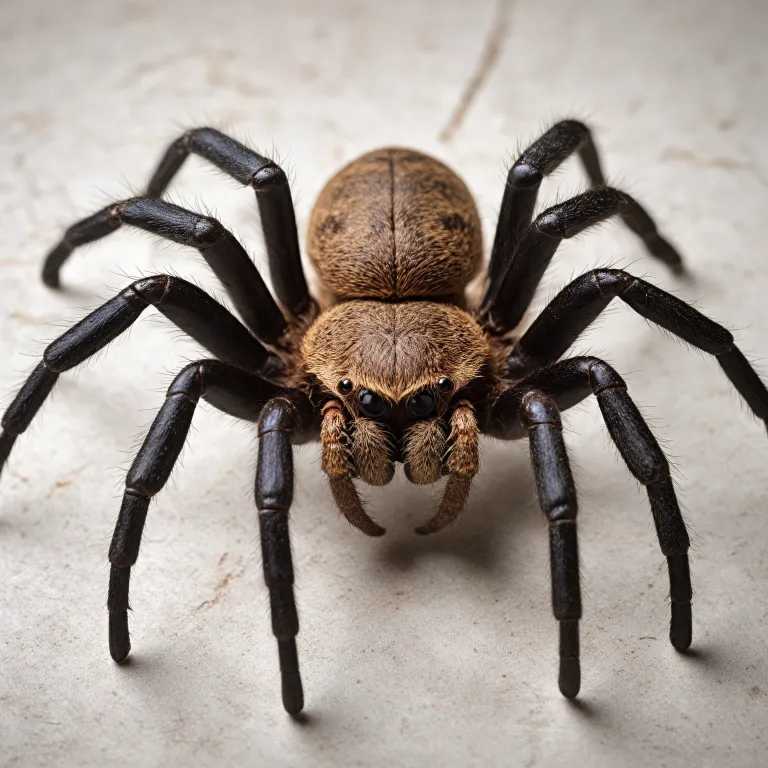
Understanding the unique body structure of tarantulas
Tarantulas are among the most captivating spiders, known for their impressive size and hairy appearance. Their anatomy is a marvel of adaptation, with each body part serving a specific function in their survival. The tarantula’s body is divided into two main sections: the cephalothorax, which is a fusion of the head and thorax, and the abdomen. This separation is clearly visible and helps differentiate tarantulas from other spiders. The cephalothorax houses the eyes, mouthparts, and legs, while the abdomen contains vital organs, including the book lungs, which are essential for respiration. Book lungs, present in two pairs, are a defining feature of tarantula anatomy and are visible as small slits on the underside of the abdomen. These spiders rely on their robust body structure to navigate diverse habitats, from rainforests to arid savannahs. Their legs, covered in sensory hairs, allow them to detect vibrations and movement, making them effective hunters. The pedipalps, located near the mouth, are used for feeding and, in males, for reproduction. Each of these body parts works in harmony, enabling tarantulas to thrive in the wild. The intricate design of their anatomy is a testament to millions of years of evolution. For those who spend time observing tarantulas, the visible differences between species become apparent, especially when comparing models or diagrams in good condition. The study of tarantula anatomy is not only interesting for researchers but also for customers and enthusiasts who wish to book a safari or wildlife adventure focused on spiders. The more you learn about these creatures, the more you appreciate the complexity of their body parts and the work that goes into understanding them.
The role of book lungs and respiratory adaptations in tarantulas
One of the most fascinating aspects of tarantula anatomy is their respiratory system. Tarantulas possess two pairs of book lungs, which are unique structures that facilitate gas exchange. These book lungs are so named because their internal structure resembles the pages of a book, maximizing the surface area for oxygen absorption. The condition of these organs is crucial for the spider’s survival, as any damage can impair respiration. Unlike many other spiders, tarantulas rely heavily on their book lungs, making them particularly sensitive to environmental changes. The book lungs are located on the underside of the abdomen and are clearly visible when examining a specimen in good condition. This adaptation allows tarantulas to thrive in a variety of habitats, from humid rainforests to dry deserts. The efficiency of their respiratory system is one reason why tarantulas have become a top subject for biological studies. For those interested in the detailed content of tarantula anatomy, it is worth noting that the number and structure of book lungs can vary slightly between species. This variation is often highlighted in anatomical models and diagrams, which are valuable tools for researchers and enthusiasts alike. If you wish to view more detailed information about tarantula respiratory adaptations, consider exploring our comprehensive guide to spider physiology. Understanding the work of book lungs and their role in tarantula survival is essential for anyone looking to spend time studying these remarkable spiders.
Key external features: legs, fangs, and urticating hairs
The external anatomy of tarantulas is both functional and striking. Their eight legs are not only used for locomotion but also for sensing the environment. Each leg is covered in fine hairs that detect vibrations, helping the spider locate prey and avoid danger. The fangs, located beneath the cephalothorax, are used to inject venom into prey. While tarantula venom is generally harmless to humans, it is highly effective against insects and small animals. The pedipalps, another set of appendages, assist in feeding and, in males, play a role in reproduction. Urticating hairs are a unique defensive adaptation found on the abdomen of many tarantula species. These barbed bristles can be flicked at potential predators, causing irritation and deterring attacks. The presence and condition of urticating hairs are often used to assess the health and defensive capabilities of a tarantula. For those interested in the top features that distinguish tarantulas from other spiders, examining these external body parts is essential. Anatomical models in good condition provide a clear view of these features, making them valuable for educational purposes. To gain a deeper understanding of tarantula external anatomy, you can view our detailed spider anatomy diagrams. The interplay between legs, fangs, and urticating hairs highlights the complexity of tarantula anatomy and the evolutionary pressures that have shaped these spiders.
Internal anatomy: organs, silk glands, and reproductive systems
Beneath the surface, tarantulas possess a sophisticated internal anatomy that supports their survival and reproduction. The abdomen houses the digestive system, reproductive organs, and silk glands. Silk production is a vital aspect of tarantula behavior, used for lining burrows, creating egg sacs, and sometimes for capturing prey. The silk glands are located in the abdomen and connect to spinnerets, which are visible at the rear of the body. The reproductive system of tarantulas is complex, with males possessing specialized pedipalps for transferring sperm. Recent discoveries have identified species with exceptionally long male palps, highlighting the diversity within the group. The condition of internal organs can be assessed through dissection or advanced imaging techniques, providing valuable insights for researchers. The book lungs, as previously mentioned, are also located in the abdomen and are essential for respiration. The digestive system is adapted to process liquid food, as tarantulas inject digestive enzymes into their prey before consumption. For those who wish to book a wildlife adventure focused on spiders, understanding the internal anatomy of tarantulas adds depth to the experience. Anatomical models in good condition are indispensable for studying these internal structures. The privacy policy of many research institutions ensures that sensitive data collected during anatomical studies is handled responsibly. The work of scientists in this field continues to yield interesting findings, making tarantula anatomy a top area of research in arachnology.
Behavioral adaptations linked to anatomy
Tarantula anatomy is closely linked to their behavior and ecological roles. The robust legs and sensory hairs enable tarantulas to hunt effectively, while the venomous fangs allow them to subdue a wide range of prey. Urticating hairs provide a unique defense mechanism, allowing tarantulas to deter predators without direct confrontation. The structure of the cephalothorax and abdomen supports a wide range of movements, from rapid sprints to slow, deliberate stalking. The book lungs facilitate efficient respiration, even in challenging environments. The work of researchers has shown that the condition of anatomical features can influence behavior, with healthy spiders displaying more active and diverse behaviors. For customers interested in booking a safari focused on spiders, observing these behaviors in the wild is a highlight of the experience. The visible differences in body parts between species can also influence behavior, with some tarantulas relying more on camouflage, while others use speed or aggression. Anatomical models and diagrams are valuable tools for interpreting these behaviors, especially when viewed in good condition. The privacy policy of tour operators ensures that guest data is protected during wildlife adventures. The content of behavioral studies often includes detailed observations of how anatomy influences daily activities, from hunting to mating. Spending time in the field with experts provides a unique view into the world of tarantulas and their fascinating adaptations.
Recent discoveries and the future of tarantula anatomy research
The field of tarantula anatomy continues to evolve, with new discoveries shedding light on the diversity and complexity of these spiders. One notable innovation is the identification of tarantula species with exceptionally long male palps, which has implications for understanding reproductive strategies. The integration of advanced imaging techniques and anatomical models has improved the accuracy of research findings. The work of scientists in this area is supported by a growing body of literature, including scientific journals and online databases. For those who wish to book a wildlife adventure or spend time studying spiders, staying informed about recent discoveries is essential. The condition of research specimens and models is critical for accurate analysis, and institutions maintain strict privacy policies to protect sensitive data. The content of recent studies often highlights the importance of anatomical diversity in adaptation and survival. Customers interested in the top developments in tarantula research can view updates through reputable platforms. As interest in tarantula anatomy grows, more enthusiasts and researchers are contributing to the field, ensuring a steady flow of interesting findings. The visible impact of these discoveries is evident in the improved understanding of tarantula behavior, physiology, and ecological roles. "Tarantulas have two main body parts: the cephalothorax (fused head and thorax) and the abdomen." This quote underscores the foundational knowledge that guides ongoing research and exploration in tarantula anatomy.
Key statistics on tarantula anatomy
- Number of tarantula species: 1,000 species
- Leg span of goliath birdeater: 30 cm
- Number of book lungs in tarantulas: 2 pairs
Frequently asked questions about tarantula anatomy
What are the main body parts of a tarantula?
Tarantulas have two main body parts: the cephalothorax (fused head and thorax) and the abdomen.
How do tarantulas breathe?
Tarantulas breathe through two pairs of book lungs located in their abdomen.
What is the function of a tarantula's pedipalps?
Pedipalps are sensory appendages near the mouth that aid in feeding and, in males, reproduction.