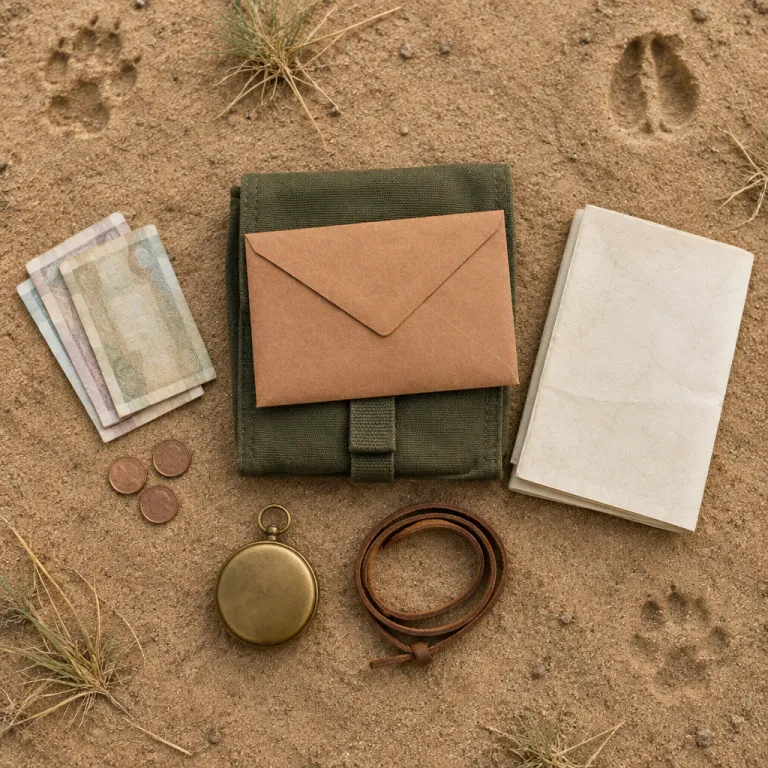
The essential safari tipping framework for families
On an African safari, tipping is part of the social contract between guest and camp. It recognises the invisible work that keeps your day running smoothly, from the pre dawn coffee tray to the hot water bottle slipped into a child’s hand on the drive back. A clear safari tipping guide for how much to tip removes anxiety so you can focus on the wildlife and your family.
Think of your safari tipping as a structured part of the trip budget, not a last minute scramble with crumpled notes. For a premium family on an African safari, a practical rule of thumb is to calculate gratuities per person per day, then adjust for service level, destination and whether your safari guide and camp staff went significantly beyond expectations. This way, each person and each day of service is valued transparently, and you avoid awkward mental arithmetic at the lodge desk.
On most safaris in Africa, you will tip three main groups of staff. First are your front line guides and, where applicable, trackers, who shape every game drive and day safari and often become the highlight of the trip for children. Second is the lodge staff and wider camp staff, the general staff whose quiet service in camps and lodges keeps laundry folded, rooms immaculate and dietary requests handled before you even ask.
The third group includes transfer drivers, meet and greet teams and specialist guides for activities such as gorilla trekking or walking safaris. A good tipping guide will separate these categories clearly, because the expectations for a private safari guide in Tanzania or South Africa differ from those for a shared transfer driver in Cape Town. When you plan your africa safari budget, list each service line by line, then assign a realistic tipping range per person day so there are no surprises at check out.
For a family of four on a seven day safari, that structure matters. A modest daily amount per guest day accumulates quickly across multiple camps lodges, especially if you add a Tanzania safari extension or a few days in Cape Town at the end. Treat the safari tipping guide how much to tip as seriously as your flight costs, because it directly supports the people who make your african safari work.
Who to tip on safari and how much to budget
Every africa safari has a slightly different staffing model, but the core roles are consistent. Your primary safari guide and, in some regions, a tracker, are the people you will see most during the day, often from the first coffee stop to the last nightcap. Their knowledge, safety decisions and ability to read both wildlife and family dynamics justify a higher tipping level than general staff who work more behind the scenes.
For privately guided safaris in East Africa, a strong benchmark is around 15–25 USD per person per day for your main guide, assuming attentive service and good sightings. In Southern Africa, where guides are usually employed by a single lodge rather than travelling with you between camps, the range is often 10–20 USD per person day, adjusted for the camp’s price point and the quality of guiding. These figures sit at the heart of any serious tipping safari budget and should be locked in before you leave home.
Camp staff and lodge staff are usually tipped collectively via a communal box or staff box at reception. A realistic range for this group is 10–20 USD per guest day for the entire team, which is then shared among housekeeping, waiters, kitchen, maintenance and general staff. On a high end tanzania safari or south africa itinerary, families sometimes increase this to reflect exceptional service, especially when the équipe has handled complex dietary needs or young children with grace.
Specialist activities require separate consideration. For gorilla trekking in Rwanda or Uganda, many operators suggest 15–25 USD per person for your trekking guide and 10–15 USD for porters, again per day, because the physical effort and safety responsibility are significant. Transfer drivers on the day you arrive or depart, whether in Arusha, Johannesburg or Cape Town, are usually tipped 3–5 USD per person for short rides and 10 USD per person for longer transfers.
When wildlife tourism spending rises, tipping expectations often follow. Recent analyses of wildlife tourism growth and safari trip costs show that higher nightly rates do not always translate into higher staff wages, so gratuities remain a crucial part of income for many guides and camp staff. A thoughtful safari tipping guide how much to tip helps you align your budget with this reality while still feeling in control of your spending.
Regional nuances: East Africa versus Southern Africa
Tipping culture on safari is not uniform across Africa, and understanding regional nuance matters. In East Africa, especially Kenya and Tanzania, your safari guide often stays with you for the entire trip, moving between camps and lodges as your constant point of contact. That continuity means your relationship deepens over several safaris and days, and tipping at the end of the itinerary rather than each day is the norm.
On a classic tanzania safari through the Serengeti and Ngorongoro, many families choose to give one envelope directly into the guide’s hand on the final day, with a separate envelope for the camp staff at each property. In this model, the tipping guide usually suggests a total amount per person for the full trip, which you then divide mentally by person day to sense check whether it feels fair. East Africa also has a strong tradition of communal box systems for general staff, so you will often see a clearly labelled staff box near the main bar or reception.
Southern Africa works differently. In South Africa, Botswana, Namibia and Zambia, you are more likely to have a resident safari guide at each lodge, with a new team at every stop on your africa safari. Here, tipping safari etiquette leans towards settling gratuities at each camp as you go, usually on your last guest day, with separate lines on the envelope or form for guides and camp staff.
Urban add ons introduce another layer. In Cape Town, tipping norms align more closely with international city standards, with 10–15 percent for restaurant service and small cash tips for hotel porters and day safari drivers heading into the Winelands or the Cape Peninsula. When you combine a city stay with a series of remote camps lodges, keep a simple note on your phone tracking what you have already given, so the safari tipping guide how much to tip remains coherent across the whole trip.
Families travelling on more modest budgets can still tip meaningfully. If you are using an itinerary built around a safari under 200 dollars a day, consider slightly lower per person amounts but maintain the same structure of separate envelopes for guides and communal box contributions for lodge staff. The key is consistency and clarity, not matching the tipping levels of ultra luxury lodges.
Envelopes, communal boxes and the etiquette of giving
How you tip on safari matters almost as much as how much you tip. Many camps and lodges in Africa provide small envelopes in each room, along with a printed tipping guide that outlines suggested ranges for guides and general staff. Using these envelopes allows the management to route your gratuity discreetly, ensuring that every person and every day of service is acknowledged fairly.
For guides and trackers, the most respectful approach is usually a sealed envelope handed directly to the safari guide on your final day, ideally with a short handwritten note. This moment, often at the vehicle just before departure, carries emotional weight, especially after a week of shared sightings and early mornings. Children can be involved by writing their own thanks, which reinforces the idea that tipping safari etiquette is about gratitude, not just money.
Communal systems work differently. A staff box or communal box at reception is designed for contributions to the wider camp staff and lodge staff, from the laundry team to the gardeners who keep pathways safe at night. Placing one envelope in the communal box per guest day or per stay, clearly marked with your family name and room number, helps the camp’s management distribute the funds transparently among the équipe.
Some guests prefer to tip certain individuals in hand, such as a butler, nanny or a particular waiter who bonded with their children. That is acceptable, but it should be in addition to, not instead of, a contribution to the general staff pool, because many of the people who shaped your african safari experience never appear front of house. When in doubt, ask the manager quietly which system the camp uses and whether individual hand to hand tips are appropriate.
In the middle of a long africa safari, especially one that includes night drives or walking safaris, it is easy to lose track of who has been tipped. A simple habit is to set aside a labelled pouch for each camp, with envelopes prepared before you travel and the safari tipping guide how much to tip printed inside. That way, when the time comes to slip an envelope into the staff box or thank your guide by hand, the gesture feels calm and considered rather than rushed.
Currency, timing and when not to tip
Currency is one of the most common sources of stress around safari tipping. In most safari destinations in Africa, US dollars are widely accepted for tips, especially in Tanzania, Kenya, Botswana, Zambia and South Africa, but local currency is equally welcome and sometimes easier for staff to use. The key is to carry clean, recent bills in small denominations, because older US notes can be difficult to exchange in parts of East Africa.
For a family following a structured safari tipping guide how much to tip, a practical split is to bring a mix of 5, 10 and 20 dollar bills, plus some local currency for smaller day safari services such as airport porters or fuel station snacks. Keep this in a dedicated wallet or pouch, separate from your main travel money, so that each person day of tipping is already accounted for before you leave your lodge tent. When you arrive at each camp, you can then adjust slightly based on the level of service and the number of staff involved in your stay.
There are also moments when you should not tip. Many high end camps and lodges now include a fixed service charge or gratuity line in the nightly rate, especially for fully inclusive africa safari packages sold through international tour opérateurs. In those cases, any extra tipping safari gestures should be reserved for truly exceptional service, such as a guide who managed a medical situation calmly or a camp staff member who went far beyond their job description.
Always read your pre departure documents carefully. If a service charge is already included for lodge staff and general staff, your tipping guide should shift from “how much to tip” to “whether to add a personal thank you on top”. When you are unsure, ask the manager discreetly whether the service charge reaches the team equitably, and then decide whether an additional envelope in the communal box feels appropriate.
Timing also matters. Tipping at the very end of your stay, rather than day by day, allows you to assess the overall service and avoid creating awkward hierarchies among staff. For multi camp safaris, settle tips at each property before you leave, rather than trying to distribute everything on the final day of the trip, when logistics and airport transfers can easily distract you from thoughtful gestures.
The emotional weight of gratitude on safari
Money is only one part of the gratitude equation on safari. A carefully written note in the guest book or on a card slipped into the same envelope as your tip can mean as much as the amount itself, especially for a safari guide who has invested years in honing their craft. When you name specific moments — the way a guide positioned the vehicle so your child could see a leopard, or how the camp staff quietly washed a favourite toy — you turn a transaction into a relationship.
Families often underestimate how much emotional labour goes into an african safari. Guides manage not only wildlife risk but also group dynamics, fear, boredom and the expectations of guests who may have waited a decade for this trip. General staff and lodge staff work long day and night shifts, often far from their own families, to ensure that every guest day feels effortless, from the temperature of the plunge pool to the timing of the hot water in your tent.
Writing down your thanks anchors those efforts in memory. Many camps and lodges keep guest books for exactly this reason, and some guides photograph particularly meaningful notes to show their families back home. When you combine a fair safari tipping amount with a sincere message, you acknowledge both the financial reality of seasonal work in Africa and the human pride that comes from being seen and appreciated.
There is also value in feedback that goes beyond praise. If an aspect of service felt off — perhaps rushed briefings before a night drive or inconsistent attention to safety rules with children — a calm conversation with the manager, paired with a fair tip, can help the camp improve. For more context on how operations shift after dark and why certain roles matter so much, read our guide to what really happens on safari after dark, which explains why some teams deserve a little extra recognition.
Ultimately, a thoughtful safari tipping guide how much to tip is about respect. Respect for the ecosystems you are visiting, for the africa safari economies that depend on tourism and for the individuals whose hands are on the wheel, the stove and the laundry line. When your envelopes, your words and your behaviour align, the camps lodges you visit feel less like anonymous properties and more like temporary homes shared with a skilled équipe.
Planning your tipping budget for a premium family safari
Building a realistic tipping budget starts months before you land in Africa. Begin with your confirmed itinerary, listing each camp, lodge and city stay, along with the number of nights and the likely number of game drives or day safari activities. Then apply a consistent per person per day tipping range for guides and camp staff, adjusting slightly for ultra remote camps lodges where logistics and staffing costs are higher.
For a premium family of four on a ten night african safari that includes a tanzania safari, a few nights in South Africa and perhaps a gorilla trekking extension, a total tipping pool of 800–1 200 USD is a sensible starting point. Allocate roughly 60 percent of that to guides and trackers, 35 percent to lodge staff and general staff via the communal box or staff box, and the remaining 5 percent to transfer drivers and city based services. This structure keeps the safari tipping guide how much to tip aligned with the reality that guiding is the most specialised rôle on your trip.
Once you have your total, break it down into envelopes labelled by camp and by role. For example, “Serengeti Camp – safari guide”, “Serengeti Camp – camp staff”, “Cape Town – day safari driver”, and so on, with the planned amount written discreetly inside. This envelope system ensures that every person and every day of service is covered, even if your trip includes last minute changes or an extra night at a favourite lodge.
Digital payments are slowly entering the safari world, but cash remains king for tipping. Some high end lodges in South Africa and East Africa can process gratuities by card and then distribute them to staff, which is useful if you miscalculated your cash, but it is not yet universal. Always travel with enough physical currency to cover your planned tips, then use card based options only as a backup.
Finally, brief your children, if they are old enough, on why tipping matters. Explain that the people they see each day — from the safari guide at the wheel to the person who quietly sweeps the paths — rely on both salaries and tips to support their families. When the whole family understands the logic behind the safari tipping guide how much to tip, handing over that final envelope becomes a shared act of appreciation rather than an awkward adult chore.
Key figures on safari tipping and wildlife travel
- Wildlife tourism in Africa has been valued in recent industry reports at well over 25 billion USD annually, with a significant share of that revenue flowing through camps and lodges where tipping forms an important part of staff income (World Travel & Tourism Council, pre pandemic estimates).
- In many safari camps across East Africa and Southern Africa, gratuities can represent between 10 and 20 percent of a guide’s total annual earnings, according to operator surveys shared at regional tourism conferences.
- Typical recommended tipping levels for guides on privately guided safaris range from 10 to 25 USD per person per day, while pooled tips for general staff and lodge staff usually fall between 10 and 20 USD per guest day, depending on the camp’s price point.
- Gorilla trekking permits in Rwanda and Uganda cost several hundred to over one thousand USD per person, and standard tipping recommendations of 15–25 USD for guides and 10–15 USD for porters represent a relatively small percentage of that total but a meaningful supplement to local incomes.
- In South Africa, restaurant tipping norms of 10–15 percent and hotel porter tips of 1–2 USD per bag align broadly with international standards, but safari lodge tipping expectations are higher because of the intensive, all day service model.
FAQ: practical questions about tipping on safari
Should I tip my safari guide daily or at the end of the stay ?
In most safari destinations, it is better to tip your safari guide at the end of your stay rather than daily. This allows you to assess the overall quality of guiding across all game drives and activities, and it avoids creating awkward comparisons between different days. In East Africa, where one guide often travels with you for the entire trip, a single envelope at the end of the itinerary is standard.
Is it acceptable to tip in US dollars, or should I use local currency ?
US dollars are widely accepted for tipping in most safari regions, especially in Tanzania, Kenya, Botswana, Zambia and South Africa. Local currency is equally appreciated and can be easier for staff to use directly, particularly for everyday purchases. Whichever you choose, bring clean, recent notes in small denominations so that you can match your safari tipping guide how much to tip without overpaying because of lack of change.
What happens if a service charge is already included in my safari package ?
When a service charge or gratuity is already included in your safari package, it usually covers the general staff and lodge staff at each property. In that case, any additional tipping should be reserved for exceptional service, such as an outstanding safari guide or a team that handled a difficult situation with particular care. Always check with the camp manager if you are unsure how the included service charge is distributed among staff.
How much should I tip for gorilla trekking compared with a normal game drive ?
Gorilla trekking involves more physical effort and a higher guide to guest ratio than a standard game drive, so tipping levels are typically higher. A common guideline is 15–25 USD per person for your trekking guide and 10–15 USD per person for porters, given at the end of the trek. This is separate from any tips you may give to lodge staff at the camp where you are staying.
Can I tip using a credit card at safari lodges ?
Some higher end safari lodges can process tips by credit card and then distribute them to staff, but this is not universal across Africa. Cash remains the most reliable method, especially in remote camps where card systems may be offline or unavailable. It is wise to arrive with enough cash to follow your planned safari tipping guide how much to tip, then use card based tipping only as a backup if needed.