Why a 3 day Kruger safari from Johannesburg works so well
A carefully planned 3 day Kruger safari from Johannesburg gives you just enough time to feel the rhythm of the bush. For travellers with limited vacation days, this short stay in Kruger National Park balances immersive wildlife viewing with realistic logistics from a major city hub in South Africa. You arrive, settle into your lodge, and step straight into the African wilderness without wasting precious hours.
Kruger is one of the largest conservation areas in Africa, and a three day Kruger itinerary focuses your attention on prime game viewing zones rather than rushing across the entire park. Most tours day by day follow a simple pattern; travel from Johannesburg on the first morning, enjoy an afternoon game drive, then dedicate the second day entirely to wildlife. On the final safari day, you join one last drive in the national park before returning from Kruger back to Johannesburg in the afternoon or early evening.
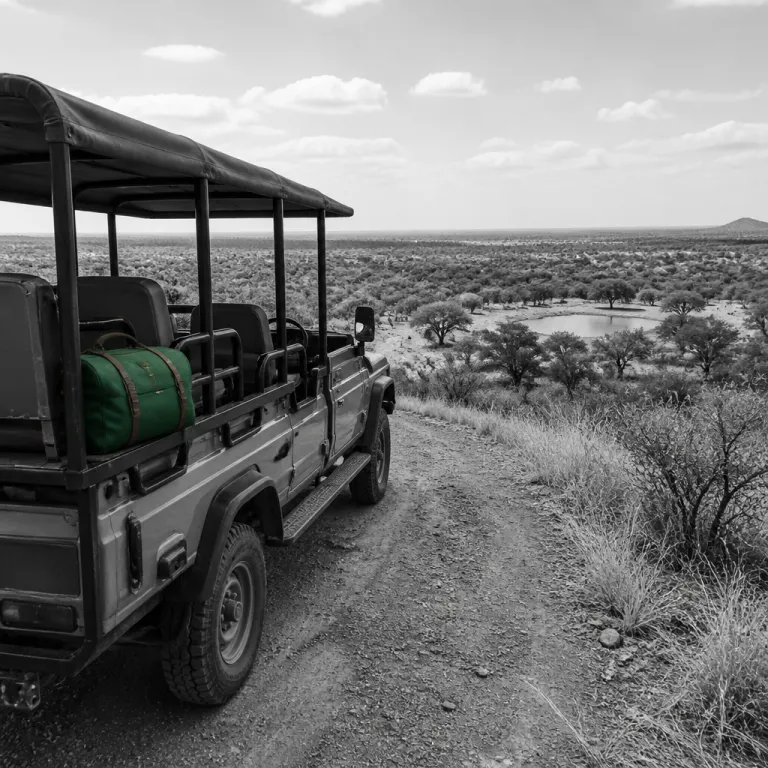
For many guests, this is their first safari Kruger experience, so the structure matters as much as the scenery. A well designed tour day schedule ensures you are in the right place at the right time for sightings, especially during the cooler hours when wildlife is most active in the greater Kruger region. As one long time guide in the Skukuza area explained, “On a three day trip we plan every drive around light, wind, and recent tracks so guests get the best possible chances in a short time.” With a professional guide, open vehicle, and a comfortable lodge in or near a game reserve, even a short stay feels like a complete African journey.
Perfect 3 day itinerary: from Johannesburg to Kruger and back
Most travellers start their 3 day Kruger safari from Johannesburg either with a road transfer or a fly in option. By road, expect about 5.5 hours of driving from Johannesburg to the Kruger park area, while a flight from O. R. Tambo International Airport to regional airports such as Skukuza (SZK), Hoedspruit (HDS), or Kruger Mpumalanga International (MQP) usually takes around one hour. The choice between driving and flying shapes how much time you spend inside the national park on your arrival and departure days.
On day one, many tours Kruger packages collect you early from central Johannesburg or the airport, then head east towards Mpumalanga and the Kruger national region. A typical timeline might be a 06:30 pick up, a short comfort stop en route, and arrival near the park around midday. After check in at your lodge near a private game reserve or inside Kruger National Park, you usually join an afternoon park safari drive from about 15:30 to sunset, which is often your first chance to see the Big Five. Day two is the core of your safari; you rise before dawn, enjoy coffee, then head out on a long morning game drive, rest at the lodge during the heat, and return to the bush for an extended afternoon safari day experience.
Day three typically includes one last early morning game drive in the Kruger safari area before breakfast and your return transfer from Kruger back to Johannesburg. If you fly, you maximise time in the reserve and reduce road fatigue, which is especially valuable on short safaris day itineraries. For a detailed planning timeline from twelve months out to wheels down, consult a specialist guide such as the official SANParks planning resources on your first safari, which break down when to book flights, lodges, and tours day by day. As a practical benchmark, SANParks lists daily conservation fees for international visitors at around ZAR 486 per adult per day for Kruger (2024), so factor this into your budget for a three day stay.
Choosing between private reserves and the main Kruger National Park
One of the most important decisions for a 3 day Kruger safari from Johannesburg is whether to stay inside Kruger National Park or in a neighbouring private game reserve. The public Kruger park offers vast landscapes, tarred roads, and a mix of self drive and guided day tours, which suits travellers who value flexibility and a classic national park atmosphere. In contrast, a private reserve in the greater Kruger area, such as Sabi Sand, Timbavati, or Klaserie, usually offers guided drives on exclusive roads, fewer vehicles at sightings, and a more intimate lodge experience.
In a private reserve, your guide can leave the main tracks to follow wildlife, which often leads to closer encounters with predators and rare species during each safari day. Game drives typically take place on open vehicles with a tracker, and your lodge rate usually includes all meals, park safari activities, and sometimes local drinks, which simplifies budgeting in South Africa. In the public Kruger national park, you may join shared tours Kruger style game drives run by SANParks or independent operators, and you can also explore some routes in your own vehicle between scheduled safari Kruger activities.
Both options can be combined on a three day Kruger itinerary, for example one night inside the national park and one night in a private game reserve. This hybrid approach lets you experience the scale of Kruger park along with the exclusivity of a smaller reserve, which many seasoned African travellers appreciate. If you value wellness as much as wildlife, consider a lodge that offers spa and wellness retreats where you can combine game drives with genuine restoration between activities. Well known examples in the greater Kruger region include properties like Lion Sands in Sabi Sand or Kapama Karula near Hoedspruit, which pair strong guiding with dedicated spa facilities.
How to pick the right lodge and tour operator
The quality of your 3 day Kruger safari from Johannesburg depends heavily on your lodge and operator. In the Kruger safari region, properties range from simple rest camps inside the national park to high end lodges in private reserves, each with different levels of comfort, guiding, and inclusions. Before you book, clarify whether your package includes transfers from Johannesburg, all game drives, conservation fees, and drinks, as these items can significantly affect the total cost in ZAR.
Reputable operators such as Kruger Park Safaris, Viva Safaris, and Outlook Safaris specialise in short safaris day packages tailored to international guests. Kruger Park Safaris focuses on scheduled and private safaris from Johannesburg, which can be ideal if you prefer a consistent guide and a small group. Outlook Safaris is known for Kruger based tours Kruger style that use rest camps like Skukuza or Lower Sabie, while many luxury fly in itineraries use lodges in Sabi Sand or Timbavati and regional flights instead of long road transfers from Johannesburg.
When comparing options, ask about group size, guide qualifications, and vehicle type for each tour day on your itinerary. A smaller group on each park safari drive usually means better sight lines, more time at sightings, and more personalised explanations about African wildlife behaviour. For travellers who want to combine a Kruger national experience with other destinations such as Cape Town or the Garden Route, a specialist tour operator can also coordinate domestic flights and multi stop tours day schedules across South Africa. Most regional airlines recommend arriving at O. R. Tambo at least 90 minutes before domestic departures and two to three hours before international flights, which helps you plan transfers at the start or end of your safari.
Practical planning: timing, budget in ZAR, and travel logistics
Short safaris from Johannesburg to the Kruger national region are available year round, but the best timing depends on your priorities. The dry winter months in this part of South Africa usually offer easier wildlife viewing because vegetation is thinner and animals congregate around water, which benefits every safari day. Warmer, greener months bring dramatic skies and newborn animals in the park, though thicker foliage can make some sightings more challenging in both Kruger park and neighbouring reserves.
For budgeting, remember that a 3 day Kruger safari from Johannesburg typically includes two nights of accommodation, four to six game drives, and return transfers by road or fly in. Road based tours Kruger packages are usually more affordable in ZAR, often starting around ZAR 8,000–12,000 per person sharing for simple lodge options, while fly in itineraries with higher end camps can range from roughly ZAR 18,000–30,000 or more per person. Many travellers combine a Kruger safari with a stay in Cape Town, so factor in domestic flights between the Mother City, Johannesburg, and the Kruger area when calculating your total budget in South African currency.
Booking windows are critical because quality lodges in the greater Kruger region fill quickly during peak seasons. As one expert answer notes, “Book at least six months ahead in peak season.” Current SANParks guidance also highlights that conservation fees apply per person per day in the national park, so include these in your calculations. If you are planning a complex route that includes multiple game reserve stays, day tours in cities, and several internal flights from Johannesburg or Cape Town, consider working with a specialist who understands both international airport connections and local transfer logistics.
Maximising wildlife sightings and ethical impact on a short safari
With only a 3 day Kruger safari from Johannesburg, every hour in the bush counts. To maximise sightings, choose an itinerary that includes both morning and afternoon game drives, as different species are active at different times of day. Open vehicles in the Kruger national region allow you to hear, smell, and feel the bush, which deepens your connection to African wildlife beyond simple photography.
Guides in the greater Kruger and adjacent game reserve areas use their knowledge of animal behaviour, wind direction, and recent tracks to position the vehicle for the best view. Respectful viewing distances, limited vehicle numbers at sightings, and strict adherence to park rules protect both animals and guests, which is essential for the long term health of Kruger park. When you choose operators who support conservation projects and local employment, your ZAR spend contributes directly to protecting the national park and surrounding reserves in South Africa.
Wildlife tourism is growing rapidly across Africa, and Kruger safaris are a major part of that trend. To understand how this boom shapes pricing, availability, and lodge development, you can read an in depth analysis of wildlife tourism growth and what it means for your next safari. By travelling outside absolute peak dates, packing light neutral clothing, and following your guide’s briefings carefully, you help ensure that short tours Kruger experiences remain sustainable for future generations.
Key statistics for a 3 day Kruger safari from Johannesburg
- Typical road transfer duration from Johannesburg to the Kruger area is about 5.5 hours, according to common tour operator schedules, which shapes how much time you can spend on game drives on arrival and departure days.
- Fly in transfers from O. R. Tambo International Airport to airports such as Skukuza (SZK), Hoedspruit (HDS), or Kruger Mpumalanga International (MQP) usually take around one hour, significantly increasing time available for park safari activities on a three day itinerary.
- Three days and two nights is widely regarded by specialist operators as the minimum recommended duration for a meaningful Kruger safari, allowing for at least four game drives in the national park or private reserves.
- Short safaris from Johannesburg have seen rising demand in recent years, driven by international travellers who combine a Kruger national experience with city stays in Johannesburg or Cape Town during a single South Africa trip.
- Many structured 3 day Kruger itineraries include one afternoon drive on day one, two drives on day two, and one final morning drive on day three, which balances rest with optimal wildlife viewing times.
FAQ: planning a 3 day Kruger safari from Johannesburg
Is three days enough for a Kruger safari ?
Yes, three days and two nights are generally considered the minimum recommended duration for a Kruger safari. This length allows you to join at least four game drives, which gives realistic chances of seeing the Big Five and a wide range of other species. While longer stays deepen the experience, a well planned 3 day Kruger safari from Johannesburg can still feel rich and unhurried.
Can I realistically see the Big Five in three days ?
Seeing all members of the Big Five can never be guaranteed, but sightings are realistic on a focused three day Kruger itinerary. With two nights in or near the park and multiple drives in prime wildlife areas, your guide has several opportunities to track lions, leopards, elephants, rhinos, and buffalos. Choosing an experienced operator in the greater Kruger region further improves your chances.
Should I drive or fly from Johannesburg to Kruger ?
Driving from Johannesburg to the Kruger area takes about 5.5 hours, which is more economical and lets you see changing South African landscapes along the way. Flying from O. R. Tambo International Airport to a regional airstrip takes roughly one hour, costs more in ZAR, but maximises time in the reserve on a short 3 day Kruger safari from Johannesburg. Many travellers choose to drive one way and fly the other, balancing budget and convenience.
How far in advance should I book my 3 day safari ?
For peak seasons, plan to secure your lodge and tour at least six months in advance, especially if you want a specific private reserve or room type. Highly sought after lodges in the greater Kruger region often fill a year ahead for popular dates. Shoulder seasons may offer more flexibility, but early booking still helps you secure better rates and flight options from Johannesburg or Cape Town.
What should I pack for a short Kruger safari ?
Pack light, neutral coloured clothing, a warm layer for cool mornings, a wide brimmed hat, sunscreen, and closed shoes suitable for walking around camp. Binoculars, a camera with spare batteries, and a soft bag that fits small aircraft luggage limits are also useful, especially if you fly into the reserve. Most lodges provide basic toiletries and drinking water, so focus on essentials that enhance comfort and wildlife viewing on each safari day.
References and further reading
- South African National Parks (SANParks) – official information on Kruger National Park regulations, conservation fees, and conservation projects.
- South African Tourism – practical guidance on visiting South Africa, including Johannesburg, Kruger, and Cape Town.
- UN World Tourism Organization (UNWTO) – global data and reports on wildlife and nature based tourism trends in Africa.