Why a birding safari in Africa changes how you see the bush
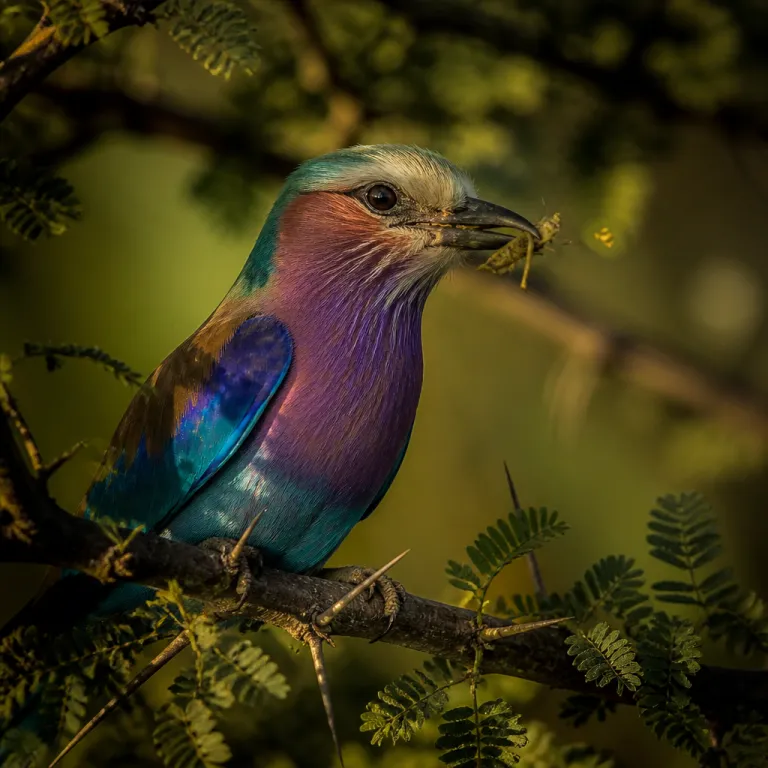
A birding safari in Africa rewires the way you read the landscape. When your guide slows for a faint call rather than a radioed lion sighting, the status of birds shifts from background colour to leading characters in the wildlife story. That is when a lilac-breasted roller banking into the light feels as memorable as any big cat.
Across east Africa and southern Africa, more than two thousand bird species share the same national parks that headline the Big Five. A focused birding tour treats each bird species as a reason to stop, not a distraction between elephant herds and a sundowner safari. This birding safari Africa birdwatching guide is written for travellers who want that deeper, slower way of looking.
The best operators now design dedicated birding tours that still respect the rhythm of classic wildlife viewing. You might track lions at dawn, then spend the next hour with your local guide working a fever tree line for endemic birds that never make it into mainstream brochures. On a well run tour, the vehicle falls quiet when a martial eagle stoops, because everyone understands that this is apex wildlife theatre, not a sideshow.
In this context, the Big Five become part of a wider cast rather than the only goal of the safari. A single carmine bee eater colony in full breeding status along a south flowing river can hold your attention longer than a rushed leopard sighting. The result is a more open, attentive way of travelling through African ecosystems, where every bird, from a tiny cisticola to a soaring vulture, earns its place in your memory.
Bird spectacles that rival any big cat sighting
Certain birding moments in Africa deliver pure spectacle, even for travellers who never considered themselves bird people. A classic example is the carmine bee eater colonies that line sandy banks in Zambia, Zimbabwe and parts of south Africa, where thousands of birds tunnel into the earth and the air becomes a moving red curtain. On a well timed birding safari, your guide will position the vehicle so you can watch this living mural without disturbing the birds.
Then there is the lilac-breasted roller, the unofficial emblem of many national parks in east Africa and southern Africa. During courtship, this bird performs barrel rolls and steep dives, flashing turquoise and violet in a way that makes even seasoned safari guides reach for their binoculars. When a roller steals the show above a lion sighting, you understand why a birding tour can be the best way to experience wildlife.
Raptors add a different kind of drama to any birding safari Africa birdwatching guide. A martial eagle stooping on a guineafowl, or a bateleur tilting low over the savannah, offers the same adrenaline as a cheetah chase, but with wings. In places like Kruger and its private reserves, including historic camps such as a classic Sand River lodge in Sabi Sand, a strong local guiding team will often know individual nesting trees and seasonal patterns.
Wetland systems raise the stakes again. In the Okavango Delta, a mokoro outing turns into a floating bird hide, with African jacanas stepping across lily pads and pygmy geese exploding from channels at close range. A thoughtful operator will structure tours so that you have time to sit, watch and let the birds come to you, rather than racing between sightings for a checklist.
Choosing the right birding guide, operator and season
The difference between a pleasant game drive and a transformative birding safari often comes down to your guide. A generalist safari guide in Africa may identify common birds, but a specialist birding guide hears contact calls at distance, reads wind and light, and understands how bird behaviour signals wider wildlife movement. When you book, ask directly about birding experience, not just years in the industry or generic wildlife knowledge.
Dedicated birding tours in east Africa, south Africa and other parts of southern Africa usually cap group size and prioritise time on foot or in smaller vehicles. An operator that truly understands birding will schedule early starts, flexible meals and long sessions in one productive area rather than constant driving. Look for itineraries that name key bird species and endemic birds, not only headline mammals or famous national parks.
Seasonal timing matters as much as the choice of destination in any serious birding safari Africa birdwatching guide. In east Africa, the period from Oct to Nov can bring migratory birds into Kenya and Tanzania, while Jan to Feb often coincides with breeding plumage and heightened song. In southern Africa, the green season around Nov is superb in the Okavango Delta and other wetlands, when birds are in full colour and the bush is alive with calls.
Some travellers prefer the shoulder months when the status of popular parks is quieter and guiding teams have more time for patient birding. A place like Hwange in Zimbabwe, which we explore in depth in our feature on why Hwange works as a first major safari, offers excellent raptor watching as waterholes shrink. Wherever you go, ask your operator for a clear tour view of likely species by month, so expectations match reality.
Where birds take centre stage: key African birding regions
Certain regions in Africa reward travellers who place birds at the heart of their safari. South Luangwa in Zambia is one of the best examples, with riverine woodland that holds everything from Pel’s fishing owl to flocks of crowned cranes. Walking tours here, led by a strong local guide, turn every rustle and call into part of a wider wildlife narrative.
Further north, the forests of Uganda and Rwanda shift the focus from open savannah to dense canopy. While many travellers arrive for gorillas, a serious birding tour in this region targets Albertine Rift endemic birds such as the Rwenzori turaco and handsome francolin. Combining tanzania and Uganda, or a broader Uganda and Rwanda circuit, allows you to move between savannah bird species and montane forest specialists within a single journey.
In Botswana, the Okavango Delta remains a cornerstone of any birding safari Africa birdwatching guide. During the green season around Nov, channels brim with herons, kingfishers and migrant waders, while reedbeds hide bitterns and rallids. A well planned tour will mix boat outings, mokoro trips and walks, giving you multiple ways to view birds at eye level.
East Africa’s great savannahs still matter deeply for birding, especially when you look beyond the famous river crossings. In Kenya and Tanzania, lesser known national parks and conservancies can hold astonishing densities of larks, pipits and raptors, with fewer vehicles and more open space for patient observation. Choosing an operator that values birds as much as mammals ensures that your tours in these landscapes feel like a coherent birding journey, not a mammal safari with a few incidental sightings.
Practical fieldcraft: gear, apps and how to look at birds
Thoughtful preparation turns a good birding safari into a great one. Start with binoculars in the 8x32 or 10x42 range, which balance magnification, weight and low light performance for dawn and dusk birding. A long camera lens is useful, but a steady hand and patience often matter more than extra millimetres of glass.
Field guides remain invaluable, even in the age of apps. For east Africa, many birders still travel with classic references by experts such as Terry Stevenson, whose work has shaped how guides and travellers understand regional bird species. In southern Africa and south Africa, region specific books help you separate similar larks, cisticolas and other challenging groups that can otherwise blur together on a fast moving tour.
Digital tools now complement printed guides rather than replace them. Birding apps with calls and range maps help you prepare before a safari and confirm identifications after a drive, especially when your guide is juggling multiple questions. Offline functionality is essential, because many national parks and remote wildlife areas have limited connectivity once you leave open plains and head into thicker bush.
Fieldcraft is also about how you behave in the vehicle and on foot. Staying quiet, keeping movements slow and respecting the guide’s instructions allows birds to resume natural behaviour, which is the real goal of any birding safari Africa birdwatching guide. If you are curious about other nature focused journeys that reward this kind of patience, our feature on immersive butterfly reserve tours in Mexico explores similar principles in a different ecosystem.
Planning your itinerary: routes, multi-country combos and beyond Africa
Designing a bird focused itinerary in Africa starts with being honest about your priorities. If you want an even balance between mammals and birds, a loop through south Africa, Botswana and Zimbabwe can work beautifully, with national parks that deliver both. Travellers who care most about endemic birds might instead focus on a tighter circuit in east Africa or the Albertine Rift.
Multi-country routes such as Kenya and Tanzania, or a combined Tanzania and Uganda journey, allow you to sample very different habitats within a single tour. Pairing open savannah with forest and wetland systems increases your total bird species count without turning the trip into a frantic numbers game. Ask each operator for a detailed tour view that lists likely birds by habitat, so you can see how the days will actually unfold.
Some travellers like to extend their birding tours beyond the continent. Costa Rica, for example, offers a compact, infrastructure rich destination where wildlife lodges sit within short drives of multiple ecosystems, from cloud forest to coastal mangroves. While this article focuses on a birding safari Africa birdwatching guide, the same principles of patient observation, strong guiding and respect for wildlife apply across regions.
Whatever route you choose, keep your plans open enough to respond to local conditions and your own changing interests. Many people arrive intent on ticking marquee species, then find themselves captivated by the behaviour of a single bird at a waterhole for an entire afternoon. That shift in attention is the quiet revolution at the heart of modern birding in Africa, where the lilac-breasted roller, not the lion, often delivers the moment you remember most.
FAQ
Is a birding safari suitable for first time visitors to Africa ?
A birding safari works very well for first time visitors, as long as the itinerary balances birds and mammals. Many national parks in east Africa and southern Africa offer excellent game viewing alongside rich birdlife, so you do not sacrifice classic wildlife encounters. Choosing an operator that understands both audiences ensures the experience feels rounded rather than overly specialised.
Do I need to be an experienced birder to enjoy a birding tour ?
You do not need prior birding experience to enjoy a bird focused tour. A skilled guide will introduce key bird species gradually, using behaviour and habitat rather than just names to make them memorable. Most travellers find that their appreciation of wildlife deepens, even if they never become checklist driven birders.
What is the best time of year for birding in east and southern Africa ?
For many regions in east Africa, the period from Oct to Nov and into Jan to Feb brings a mix of migrants and breeding plumage, which is excellent for birding. In southern Africa, the green season around Nov is particularly productive, with high bird activity and lush landscapes. Exact timing varies by destination, so always ask your operator for region specific advice.
Which African destinations are especially good for endemic birds ?
The Albertine Rift, spanning parts of Uganda, Rwanda and neighbouring countries, is renowned for endemic birds tied to montane forest habitats. South Africa and other areas of southern Africa also hold many range restricted species, especially in fynbos and highland grasslands. A focused birding safari Africa birdwatching guide itinerary will usually highlight these hotspots clearly.
What basic gear should I bring on a birding safari ?
At minimum, bring good quality binoculars, a region specific field guide and a notebook or app for recording sightings. A camera with a moderate telephoto lens is helpful but not essential for enjoyment. Neutral clothing, a hat and patience will often contribute more to your experience than extra equipment.