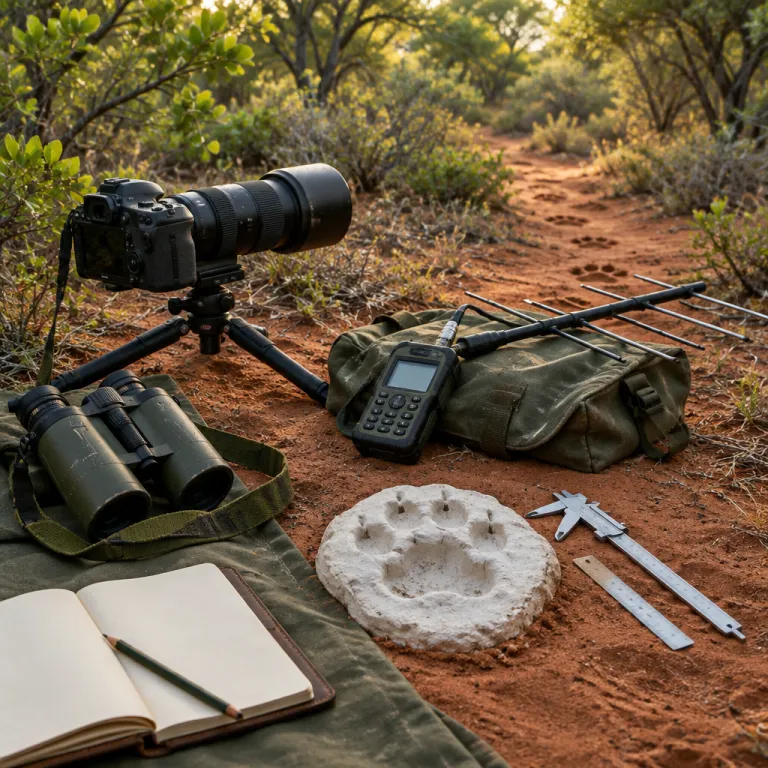
The Kalahari lion and its desert stronghold
The Kalahari lion is a powerful symbol of resilience in a harsh land. In the semi-arid Kalahari Desert of southern Africa, this lion has adapted to intense heat, scarce surface water, and vast open spaces. Every encounter with these lions on safari feels earned, because the Africa Kalahari ecosystem tests both predator and traveller.
Unlike many African lion populations that live in savannahs rich with rivers, the Kalahari lion survives in a landscape of red dunes, fossil riverbeds, and thorn scrub. Here, the cats must walk long distances at night, using cooler temperatures and starlight to patrol territories that can exceed 2 000 square kilometres. When you study images travellers bring back from this region, you notice leaner bodies, lighter coats, and an unmistakable sense of wildness.
Most travellers meet these lions in transfrontier conservation areas that link South Africa with Botswana. The best known national park for this experience is the Kgalagadi Transfrontier Park, where the Kalahari Desert stretches across political borders but remains one continuous wildlife landscape. This park protects a crucial stronghold for African lions in the south of the continent, and it offers some of the most dramatic lion photographs you can capture in Africa.
What makes the Kalahari lion different from other african lions
At first glance, a Kalahari lion looks like any other Africa lion, but a closer look reveals subtle desert adaptations. Many male lions here show the famous black-maned look, with dark hair framing a pale face and golden eyes. In the soft light of dawn, this black-maned silhouette against red dunes creates portraits that define classic safari photos.
Scientists classify every African lion as Panthera leo, yet regional conditions shape each population. In the Kalahari, the feline body tends to be slightly taller and more athletic, helping the lion cover long distances between waterholes and prey. When you compare lion stock photos from wetter parks with Kalahari lion images, you often see a slimmer torso, longer legs, and a mane that sometimes extends down the chest in a dramatic display.
Behaviour also sets the Kalahari lion apart from other lions in South Africa and beyond. Because prey densities are lower in the desert, prides are often smaller, and a single male lion or coalition of males may control a vast territory. For travellers interested in how African plants shape these adaptations, resources such as this guide to African vegetation and safari experiences help explain how sparse shade, camelthorn trees, and dune grasses influence hunting patterns and resting behaviour.
Where to see Kalahari lions in south africa and Botswana
For reliable sightings of the Kalahari lion, location and timing matter more than luxury. The Kgalagadi Transfrontier Park, shared by South Africa and Botswana, is the primary destination, with road networks that follow dry riverbeds where wildlife concentrates. Along these sandy tracks, you often find lions resting in the shade of camelthorn trees or walking the riverbed at first light.
On the South Africa side of this national park, camps such as Twee Rivieren, Nossob, and Mata Mata provide access to productive waterholes. Self-drive travellers can spend long hours waiting at these points, where Africa lion prides come to drink, socialise, and sometimes hunt. Photographers who plan carefully often return with images worthy of publication, capturing a male lion shaking off dust or a lion pair greeting each other in the golden light.
On the Botswana side, wilderness camps and 4x4 tracks offer a more remote safari, with fewer vehicles and a stronger sense of isolation. Some travellers combine a Kalahari Desert itinerary with other regions, then finish in private reserves such as Sabi Sand in South Africa, staying at historic camps like Kirkman’s Kamp on the Sand River. This contrast between dune country and riverine bushveld allows you to compare Kalahari lions with other African lion populations in a single journey.
Photographing the Kalahari lion: light, composition, and ethics
Photographing the Kalahari lion is as much about light as it is about wildlife behaviour. The desert amplifies sunrise and sunset colours, turning every lion portrait into a study in red, gold, and black. Skilled photographers use the low-angle sun to highlight the contours of a male lion mane and the fine dust that hangs in the air.
When planning lion photos, think in terms of storytelling rather than only close-ups. Wide-angle pictures that show a lion silhouette on a dune ridge convey the scale of the Africa Kalahari landscape, while tighter images can focus on eyes, whiskers, and the texture of a black-maned mane. Many travellers later curate their best lion photographs into royalty free portfolios, but the strongest images usually come from patient observation rather than chasing every sighting.
Ethical practice matters as much as technical skill when you photograph any African lion. Guides should never pressure a lion or other wildlife by driving too close, blocking paths, or using artificial light in a way that disturbs natural behaviour. If you plan to share free photos or offer curated lion stock, respect park regulations, credit the national park where appropriate, and remember that every image carries a responsibility to portray Africa lion populations with accuracy and respect.
Planning a safari focused on Kalahari lions
A safari centred on the Kalahari lion requires more preparation than a typical savannah trip. Distances in the Kalahari Desert are long, fuel stops are limited, and summer temperatures can exceed 40 degrees Celsius. Travellers should plan at least five to seven nights in the park to increase their chances of meaningful lion encounters.
For self-drive visitors, booking camps along both the Nossob and Auob riverbeds allows you to follow different prides of lions and track individual male African lions over several days. Many guests keep informal logs of sightings, noting time, location, and behaviour, which later help interpret patterns in their photos and pictures. Those who prefer guided experiences can join small group safaris that combine the Kalahari with other regions, or even pair Africa lion tracking with a specialist yacht-based journey using resources such as this guide to an Infinity level wildlife cruise.
Whichever style you choose, build flexibility into your itinerary so you can linger when a pride settles near a waterhole or when a black-maned male lion patrols at dusk. Patience often turns an ordinary sighting into a sequence of lion images that reveal complex social behaviour, from cub discipline to coalition bonding. In a landscape where wildlife is truly free to roam, time is your most valuable resource.
Understanding conservation challenges for the Kalahari lion
The Kalahari lion may look abundant inside protected areas, but its long-term future depends on thoughtful conservation. Across Africa, African lion populations have declined significantly over recent decades because of habitat loss, conflict with livestock owners, and illegal killing. In the Africa Kalahari region, low rainfall and sparse prey make lions especially vulnerable when they leave park boundaries in search of food.
Conservation strategies in South Africa and Botswana focus on maintaining large, connected landscapes where wildlife can move freely between core reserves and surrounding areas. Transfrontier parks help by linking habitats across borders, while community conservancies and compensation schemes reduce conflict when an African lion kills livestock. For travellers, choosing operators who support research on lion movements and who respect national park regulations is one of the most direct ways to contribute.
Photographers who share free photos, lion stock, and curated image collections can also play a role by highlighting both the beauty and the fragility of these ecosystems. When royalty free galleries include accurate captions about location, behaviour, and conservation status, they help educate a global audience about the realities facing Panthera leo (IUCN Red List, 2016). Responsible storytelling turns each lion portrait into more than an aesthetic object; it becomes a quiet argument for keeping these black-maned kings on their dunes.
Key statistics on Kalahari lions and african lion conservation
- The International Union for Conservation of Nature (IUCN) estimates that fewer than 25 000 wild African lions remain across Africa, a decline of roughly 40 percent over the past three decades, which underscores the importance of strongholds such as the Kalahari Desert (IUCN Red List, Panthera leo, 2016).
- Research published by Panthera and partner organisations indicates that lions now occupy only about 8 percent of their historic African range, meaning that protected areas like Kgalagadi Transfrontier Park carry disproportionate responsibility for Panthera leo survival (Panthera Lion Programme, 2016 status overview).
- Studies in southern Africa suggest that community-based conservation and compensation schemes can reduce retaliatory killings of Africa lion populations by up to 80 percent in conflict hotspots, improving coexistence near park boundaries (for example, case studies summarised by Panthera and WWF, 2018).
- Camera-trap projects in Kgalagadi have documented home ranges for some male Kalahari lions exceeding 2 000 square kilometres, far larger than typical ranges in more prey-rich savannah parks, which reflects the low-density nature of the Kalahari ecosystem (see Funston et al., Journal of Zoology, 2001, and subsequent telemetry research).
- Tourism revenue from wildlife-focused safaris, including Kalahari lion viewing, contributes substantial foreign income to African economies each year, providing a financial incentive for governments and communities to maintain national park networks and surrounding corridors (World Bank and WWF tourism impact assessments, 2015–2019).
FAQ about Kalahari lions and desert safaris
Where is the best place to see Kalahari lions in the wild ?
The most reliable place to see Kalahari lions is Kgalagadi Transfrontier Park, which straddles the border between South Africa and Botswana. The Nossob and Auob riverbeds are particularly productive areas, because prey and predators concentrate around scarce waterholes. Staying several nights in different camps along these routes significantly improves your chances of quality sightings.
When is the best time of year to visit the Kalahari for lions ?
The cooler dry months, typically from late autumn to early spring, offer the most comfortable conditions for travellers and more predictable lion behaviour. During this period, vegetation is thinner, water is limited, and lions often remain near established waterholes, which helps with tracking and photography. Summer can also produce dramatic sightings, but extreme heat and thunderstorms make travel more demanding.
Are Kalahari lions a different subspecies from other african lions ?
Kalahari lions belong to the same species, Panthera leo, as other African lions, and current genetic research does not support classifying them as a separate subspecies. Their distinctive appearance, including the famous black-maned males, results from local environmental conditions and genetic variation within the broader population. Behavioural adaptations to the desert, such as long-distance movements and smaller prides, further reinforce their unique reputation.
What camera equipment is recommended for photographing Kalahari lions ?
For most travellers, a zoom lens in the 100 to 400 millimetre range paired with a modern DSLR or mirrorless camera offers enough reach and flexibility for lion portraits and wider habitat shots. A beanbag or window mount is more practical than a tripod in vehicles, and extra batteries and memory cards are essential because charging options can be limited in remote camps. Shooting in the early morning and late afternoon, when light is softer and lions are more active, will greatly improve your photos.
How can travellers support Kalahari lion conservation during a safari ?
Travellers can support conservation by choosing operators that work with local communities, follow national park regulations, and contribute to research on Panthera leo movements. Respecting speed limits, staying on designated roads, and avoiding disturbance of wildlife all help reduce stress on lions and other species. After the trip, sharing well-captioned free photos or curated lion stock images that highlight conservation issues can further raise awareness and encourage responsible tourism.
Trusted references for further reading
- International Union for Conservation of Nature (IUCN) Red List entry for Panthera leo (2016 assessment).
- Panthera, the global wild cat conservation organisation, reports and regional lion programmes (for example, Panthera Lion Programme status reports, 2016–2020).
- World Wildlife Fund (WWF) resources on African lion conservation and human–wildlife coexistence, including southern African case studies.