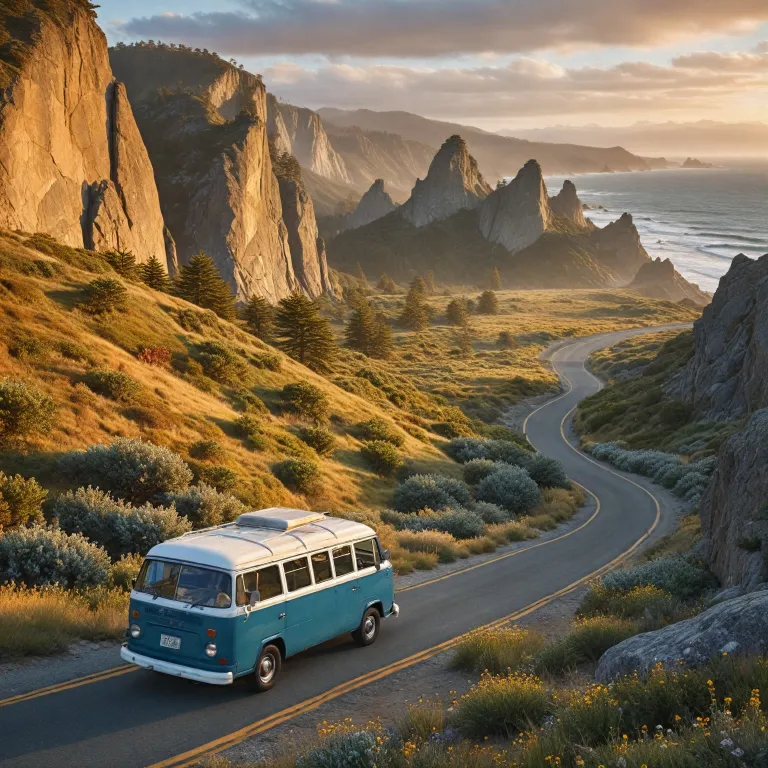
Designing a west coast national park road trip for wildlife lovers
A carefully planned west coast national park road trip rewards patient wildlife watchers. Along 1 700 miles of winding highway, each national park reveals a different ecosystem and a distinct rhythm of animal life. This journey is less about ticking parks off a list and more about understanding how each canyon, forest, and lake supports its own web of species.
Starting in the north, many travelers begin their road trip in Seattle and head towards Olympic National Park. This vast coastal and temperate rainforest landscape feels a world away from the drier parks further south, yet it anchors the entire west coast narrative. As you move between Olympic National and the North Cascades National Park, you trace migration routes used by elk, black bear, and countless bird species.
Every national park on this route has a different entrance culture and visitor rhythm. Some parks, such as Mount Rainier National Park, feel intimate, with a single main visitor center acting as the heart of the experience. Others, including Yosemite National Park and Sequoia National Park, spread their visitor centers and campgrounds across several valleys and miles of road.
For wildlife focused travelers, the key is to balance driving days with slow days on foot. Plan at least one full day in each national park for a signature hike, ideally at dawn or dusk when animals are most active. This slower pace transforms a simple drive between parks into a coherent conservation journey across the west coast.
From temperate rainforests to high peaks : Olympic, north cascades, and mount rainier
The northern stretch of a west coast national park road trip introduces you to moisture laden forests and glaciated peaks. Olympic National offers rugged coastline, moss draped trees, and river valleys where salmon runs still shape the food chain. A short hike from a low elevation trailhead can move you from coastal fog to quiet conifer groves in less than 10 kilometers.
Driving north and east, the road trip enters the North Cascades, sometimes called the “American Alps”. Here, the national park and the adjacent recreation areas protect deep canyon systems, turquoise lake basins, and high passes that feel surprisingly remote. Stop at the main visitor center to understand how dams, glaciers, and old growth forest interact across this complex landscape.
Wildlife viewing in the North Cascades National Park rewards patience and respect for distance. Mountain goats cling to volcanic and metamorphic cliffs, while black bears forage in berry filled meadows near the trail yet remain wary of humans. Along the way, interpretive signs explain how these northern parks connect to marine ecosystems where sea otters and sea lions thrive, themes explored further in this detailed guide to iconic marine mammals of the Pacific coast.
Continuing south, Mount Rainier rises above the surrounding state forests like a solitary sentinel. The national park protects subalpine meadows, glaciers, and forests where ancient tree national treasures tower above the trails. Plan a half day hike from Paradise or Sunrise, and leave time to visit the main visitor center to learn how climate change is reshaping snowpack, rivers, and wildlife corridors.
Volcanic heartlands : crater lake, lassen volcanic, and the science of fire
As your west coast national park road trip crosses into Oregon, the landscape shifts from maritime green to volcanic drama. Crater Lake National Park centers on a deep, intensely blue lake formed within a collapsed volcanic caldera. A scenic drive around the rim offers multiple trailheads, each leading to viewpoints where you can watch ravens ride thermals above the lake.
Plan at least one full day at Crater Lake, combining a lakeside hike with a boat tour when conditions allow. The visitor center explains how this volcanic system continues to influence regional hydrology, forest composition, and even the distribution of small mammals and birds. In the surrounding Oregon state forests, you will find additional campgrounds that extend your stay and allow for quieter sunrise photography sessions.
Further south, Lassen Volcanic National Park provides a living outdoor laboratory of fumaroles, mud pots, and lava flows. Here, the connection between geology and wildlife becomes especially clear, as warm ground and mineral rich soils create microhabitats for specialized plants and insects. For travelers interested in subtle color variations in fur and plumage, this visual sensitivity can later enrich your appreciation of species diversity, much like the nuanced palette presented in this visual journey through chinchilla colours.
Both Lassen Volcanic and Crater Lake demonstrate how fire, ash, and time shape entire ecosystems. Trails wind past steaming vents, quiet forest lake shores, and open meadows where deer graze at the edge of the forest. By the time you leave these volcanic parks, the link between geology, fire regimes, and wildlife habitat will feel tangible rather than abstract.
Granite cathedrals and giant trees : yosemite, sequoia, and kings canyon
The central section of a west coast national park road trip leads into the granite strongholds of the Sierra Nevada. Yosemite National Park, with its sheer cliffs and cascading waterfalls, remains a pilgrimage site for hikers, climbers, and wildlife photographers. A carefully chosen day hike from Yosemite Valley or Tuolumne Meadows reveals how black bears, mule deer, and peregrine falcons share this dramatic canyon landscape.
Yosemite National is also where visitor numbers peak, so timing and route selection matter. Arrive early at the park entrance, use shuttle buses where available, and speak with rangers at the visitor center about less crowded trail options. Many travelers underestimate distances, yet even a moderate 10 kilometer hike can feel demanding when elevation gain and summer heat combine.
Continuing south, Sequoia National Park and Kings Canyon National Park form a paired sanctuary for giant sequoias and deep river valleys. In Sequoia National, trails wind among colossal tree national giants whose bark has witnessed centuries of fire and snowfall. Kings Canyon, sometimes referred to as a canyon national treasure, offers steep walls, roaring rivers, and quieter campgrounds where night skies blaze with stars.
Wildlife encounters in these parks often occur at the edges of campgrounds and meadows. Keep food stored correctly, maintain respectful distances, and use binoculars rather than approaching animals. This ethic of restraint allows future travelers to enjoy the same sense of awe along this national park corridor.
Desert extremes and island refuges : death valley, joshua tree, and channel islands
As the road trip bends towards the south, the character of the west coast national park road trip changes again. The lush forests and granite peaks give way to stark desert basins and sparse, sculptural vegetation. Death Valley National Park, despite its harsh reputation, shelters a surprising array of reptiles, migratory birds, and nocturnal mammals.
Plan your Death Valley visit around early morning and evening hours, when temperatures are lower and wildlife is more active. Short hikes from roadside pullouts lead into side canyon systems where ephemeral water sources sustain life. The visitor center provides essential safety information, including guidance on water consumption, trail conditions, and seasonal closures.
Further west, Joshua Tree National Park straddles two desert ecosystems, the Mojave and the Colorado. Here, the iconic Joshua trees create a surreal forest of twisted silhouettes, providing habitat for birds, insects, and small mammals. A half day hike among boulder piles and sandy washes reveals how life adapts to minimal rainfall and intense sun.
Off the California coast, Channel Islands National Park protects a chain of rugged islands that function as isolated refuges. Boat access and limited infrastructure mean that every day on the islands feels like a small expedition. For travelers who have also experienced African marine safaris or romantic honeymoons that combine savannah and sea, such as those outlined in this in depth safari and coast itinerary, the Channel Islands offer a familiar sense of wild remoteness.
Practical planning : entrances, campgrounds, and ethical wildlife viewing
Thoughtful logistics turn a west coast national park road trip from a rushed checklist into a restorative journey. Entrance fees apply at most national parks, and an annual pass often provides the best value for travelers covering long distances. Check each park’s official website for current entrance details, seasonal road closures, and campground reservations.
Campgrounds within national parks vary from simple tent sites to more developed facilities. In popular parks such as Yosemite, Sequoia National, and Joshua Tree, reservations are essential during peak periods. In quieter parks, including Lassen Volcanic and some Oregon state recreation areas, first come first served campgrounds may still be available for flexible travelers.
Ethical wildlife viewing begins with distance, patience, and respect for habitat. Use established trail networks, avoid approaching animals for photographs, and keep noise levels low, especially at dawn and dusk. Many visitor centers along the route offer talks on local species, from desert bighorn sheep in Death Valley to marine birds near Channel Islands.
“Yes, most parks require camping permits; check individual park regulations.” This single sentence from official guidance encapsulates the importance of preparation and compliance. By aligning your behavior with park regulations, you support conservation goals while enhancing your own safety. In turn, this respect ensures that future travelers can enjoy the same sense of wildness along every mile of this national park journey.
Sample two week wildlife focused itinerary from north to south
Many travelers structure their west coast national park road trip over two to four weeks. A balanced two week version might begin in the north around Seattle, then move steadily south towards Los Angeles. Each day combines a manageable drive with time for at least one short hike or viewpoint stop.
One sample outline starts with Olympic National, then continues to Mount Rainier and the North Cascades National Park region. From there, you cross into Oregon for Crater Lake, before heading south to Lassen Volcanic National Park. The next segment focuses on Yosemite National Park, Sequoia National Park, and Kings Canyon National Park, where granite walls and tree national giants dominate the skyline.
The final stretch turns towards the desert and the sea. Spend a day or two in Death Valley, then continue to Joshua Tree National Park for contrasting desert ecosystems. If time allows, end with a side trip to Channel Islands National Park, where boat schedules and weather windows dictate your pace.
Throughout this itinerary, remain flexible and responsive to conditions on the ground. Wildfires, snow, or heavy rain can affect access to canyon trails, mountain passes, and even some campgrounds. By building rest days into your schedule, you create space for unplanned wildlife encounters, ranger led walks, or simply quiet hours beside a lake as the sun sets over the west coast horizon.
Key statistics for a west coast national park road trip
- Total distance for a typical itinerary from Seattle to Los Angeles via major parks : approximately 1 700 miles.
- Number of national parks commonly included on this route : around 7 major parks, plus several additional state and recreation areas.
- Recommended overall duration for a wildlife focused journey : generally 2 to 4 weeks, depending on hiking ambitions and rest days.
Essential questions about planning your journey
What is the best time for a West Coast national park road trip?
Late spring to early fall offers favorable weather across most west coast national parks, with snow lingering at higher elevations and heat intensifying in the deserts as the season progresses. Shoulder periods around late spring and early autumn often provide a good balance of open trails, manageable temperatures, and slightly fewer crowds. Always check individual park conditions, as mountain passes, canyon routes, and lake access can vary significantly from one week to the next.
Do I need permits for camping in national parks?
Yes, most parks require camping permits; check individual park regulations. In heavily visited areas such as Yosemite, Sequoia National, and popular canyon corridors, advance reservations are often essential for both campgrounds and backcountry sites. For more remote parks, including some sections of North Cascades National Park and Lassen Volcanic, a mix of reservation and first come first served systems may apply, so verify details before you drive long distances.
Are there entrance fees for these national parks?
Yes, each park has an entrance fee; consider an annual pass for multiple parks. For a multi week west coast national park road trip that includes several major parks, the cost of individual entrances can quickly exceed the price of a yearly pass. Purchasing a pass not only simplifies logistics at each entrance station but also supports the broader conservation work of the National Park Service across the entire country.