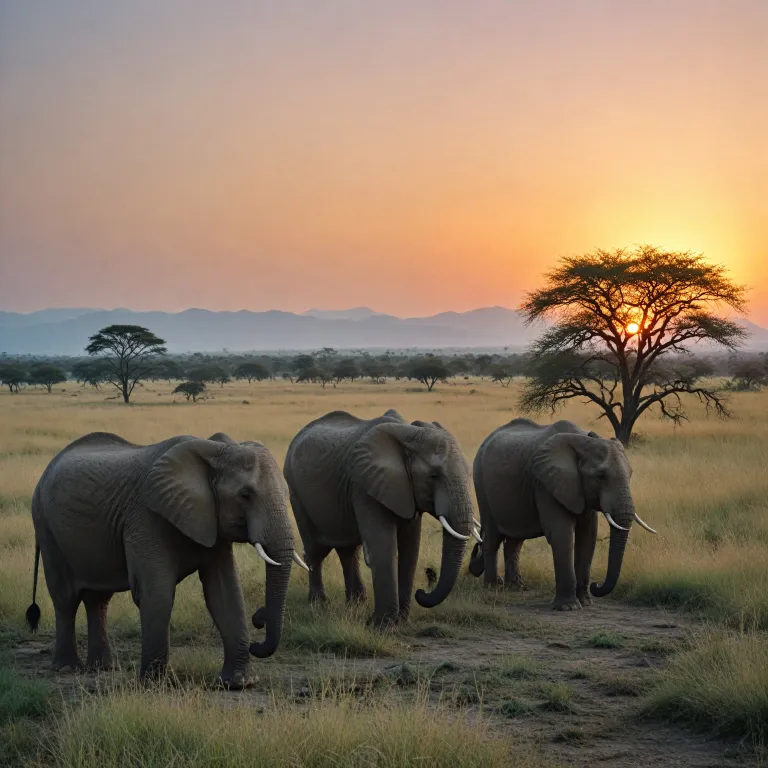
Key factors influencing african safari cost breakdown
Planning an african safari requires a clear understanding of the various costs involved. The overall safari cost is shaped by several elements, including the destination country, the type of safari experience, and the duration of your stay. Africa offers a wide range of safari options, from budget safaris to mid range and luxury experiences, each with its own pricing structure. For example, a tanzania safari in the Serengeti National Park will have different costs compared to a south africa safari in Kruger National Park. The season also plays a significant role; peak season rates are often higher due to increased demand, while low season can offer more affordable options.
Accommodation is a major component of safari costs. Choices range from basic campsites to mid range lodges and high-end luxury camps. The cost per person per night can vary greatly depending on the level of comfort and exclusivity. Park fees are another essential factor, with daily charges for entry into national parks such as Serengeti or Maasai Mara. These fees contribute to conservation efforts and are non-negotiable. Game drives, guided walks, and other activities may be included in the package or charged separately, impacting the overall safari cost breakdown.
Group size also affects the per person day rate. Traveling as part of a group can reduce individual costs, while private safaris or customized experiences typically command a premium. When evaluating safari costs, it is important to consider all inclusions, such as meals, transfers, and park fees, to avoid unexpected expenses. Consulting a reputable safari company or travel agent can help clarify what is covered and ensure a transparent cost safari experience. For more insights on planning, see our comprehensive safari planning guide.
Comparing safari costs across Africa: destinations, seasons, and experiences
The african safari cost breakdown varies significantly between destinations. Tanzania and Kenya are renowned for classic safaris, with tanzania safari packages often including visits to iconic national parks like Serengeti and Ngorongoro. South africa offers a diverse range of experiences, from self-drive safaris in Kruger National Park to guided game drives in private reserves. Each destination has its own pricing structure, influenced by park fees, accommodation standards, and the level of exclusivity.
Seasonality is a crucial factor in determining safari costs. Peak season, typically during the dry months, sees higher prices due to optimal wildlife viewing conditions. Conversely, low season offers reduced rates, fewer crowds, and unique wildlife experiences, though some areas may be less accessible. The choice between a budget safari, mid range, or luxury safari will also impact your expenses. Budget safaris often involve group travel, shared accommodation, and basic amenities, while luxury safaris provide personalized service, premium lodges, and exclusive activities.
When comparing safari costs, consider the duration of your trip and the number of national parks included in your itinerary. Multi-park safaris generally incur higher park fees and transportation costs. Engaging with a knowledgeable safari company or travel agent can help tailor your experience to your budget and preferences.
Accommodation options: from budget to luxury on African safaris
Accommodation is a defining element in the african safari cost breakdown. Options range from simple campsites to mid range lodges and opulent luxury camps. Budget safari travelers often opt for tented camps or basic lodges, which offer essential comforts at a lower cost per person night. These accommodations are ideal for group safaris and those seeking an authentic, immersive experience without the high price tag.
Mid range lodges provide a balance between comfort and value, featuring en-suite facilities, quality dining, and guided activities. The cost for a mid range safari typically includes meals, park fees, and game drives, making it a popular choice for families and small groups. Luxury safaris elevate the experience with private suites, gourmet cuisine, and exclusive access to prime wildlife areas. The range luxury segment commands a premium, but delivers exceptional service and amenities.
When selecting accommodation, consider the location within or near national parks, as proximity to wildlife-rich areas can enhance your safari experience. Some lodges partner with conservation organizations, supporting local communities and sustainable tourism. For a closer look at accommodation options and their impact on safari costs, visit our accommodation comparison page.
Understanding park fees, permits, and activity costs
Park fees are a fundamental part of the african safari cost breakdown. Every national park in Africa charges a daily fee per person, which supports conservation and maintenance efforts. For instance, the daily park fee in Serengeti National Park, Tanzania, is approximately 70 USD per person. These fees are mandatory and must be factored into your overall safari cost. In addition to park fees, some activities require special permits, such as gorilla trekking in Rwanda, which can cost up to 1500 USD per person.
Game drives are the core activity on most safaris, and their cost is often included in the package. However, additional experiences like walking safaris, boat safaris, or hot air balloon rides may incur extra charges. The frequency and variety of activities can influence the total cost safari, especially for those seeking a comprehensive wildlife experience. Group safaris often benefit from shared activity costs, making them more affordable per person day.
It is essential to clarify with your safari company or travel agent which activities and permits are included in your itinerary. Transparent communication ensures there are no surprises and allows you to budget accurately for your african safari. For travelers interested in unique experiences, booking permits for special activities well in advance is highly recommended.
How to optimize your safari budget: tips for cost-effective travel
Maximizing value without compromising on experience is possible with careful planning. Booking during the shoulder season can significantly reduce safari costs while still offering excellent wildlife sightings. As highlighted in the dataset, "Book during the shoulder season to save on costs and avoid crowds." Group safaris are another effective way to share expenses, lowering the per person day rate and making luxury or mid range options more accessible.
Mixing accommodation types is a practical strategy for balancing comfort and budget. Combining nights in mid range lodges with a few nights in luxury camps can enhance your africa safari experience without exceeding your budget. Engaging a reputable safari company or travel agent ensures you receive expert guidance on the best value options for your needs. Additionally, consider the timing and duration of your trip, as longer safaris may offer better rates per person night.
Travelers should also factor in ancillary costs such as tips, beverages, and optional activities when planning their safari cost breakdown. Transparent communication with your safari provider helps avoid hidden charges and ensures a seamless travel experience. For more tips on optimizing your safari budget, consult our expert travel resources.
Choosing the right safari company and planning your African adventure
Selecting a trustworthy safari company is crucial for a successful african safari. Experienced operators offer a range of packages, from budget safari options to range luxury experiences, tailored to different preferences and budgets. Look for companies with strong conservation partnerships and positive reviews from previous travelers. Local guides play a vital role in enhancing your safari experience, providing insights into wildlife behavior and local culture.
When planning your safari, consider the group size, preferred national parks, and desired activities. Early booking is recommended, especially for peak season or specialized experiences like gorilla trekking. The planning phase typically begins 3 to 12 months before departure, followed by the booking phase 2 to 6 months prior. As noted in the dataset, "Plan and book permits for special activities like gorilla trekking well in advance." This ensures availability and helps manage safari costs effectively.
Technology is increasingly integrated into safari planning, with online platforms offering detailed itineraries and real-time availability. Sustainable travel practices, such as choosing eco-friendly lodges and supporting local communities, contribute to the long-term preservation of Africa's wildlife and habitats. For comprehensive advice on selecting a safari company and planning your adventure, explore our dedicated planning section.
Key statistics on african safari cost breakdown
- Average cost of a 7-day mid-range safari in Kenya: 4,500 USD per person.
- Gorilla trekking permit cost in Rwanda: 1,500 USD per person.
- Daily park fee in Serengeti National Park, Tanzania: 70 USD per person.
Frequently asked questions about african safari cost breakdown
What is the best time of year to go on an African safari?
The best time varies by region, but generally, the dry season offers better wildlife viewing opportunities. Peak season rates are higher, while low season can provide cost savings and fewer crowds.
How can I save money on an African safari?
Traveling during the shoulder season, joining group tours, and mixing accommodation types can help reduce costs. Booking in advance and consulting with a travel agent or safari company can also secure better rates.
Are African safaris safe?
Yes, when conducted with reputable operators and guides, African safaris are generally safe. It's important to follow all safety guidelines provided by your safari company and local guides.
References:
- topguideadventures.com
- amazinggorillasafaris.com
- maasaiguides.com