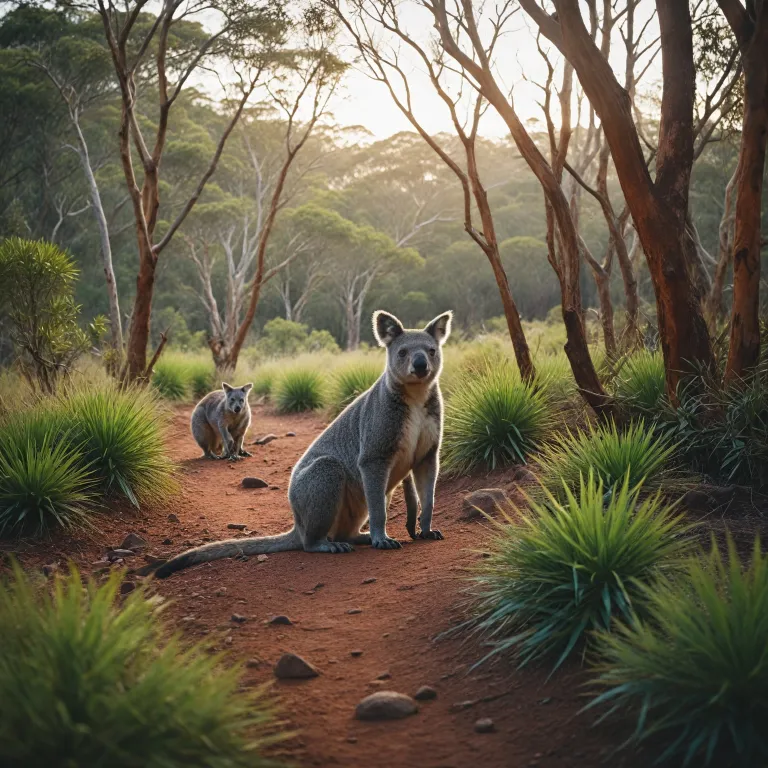
Exploring the essence of a wildlife safari in Australia: from outback to ocean
Embarking on a wildlife safari in Australia offers a tapestry of experiences that connect travelers with the continent’s extraordinary biodiversity. The journey begins in the vast outback, where kangaroo sightings are almost guaranteed, and continues to the lush coasts, where the Indian Ocean and the Great Barrier Reef frame the landscape. Each region, from the rugged terrains of South Australia to the pristine islands off the coast, presents a unique opportunity to observe Australian wildlife in its natural habitat. Guided tours, such as those provided by Sydney Wildlife Safari, immerse guests in the Southern Highlands, revealing native species like echidnas and kangaroos during expertly led adventures.
Australia’s islands, including Kangaroo Island and Maria Island, are sanctuaries for rare species and offer private wildlife tours that highlight the importance of conservation. The reef systems, particularly the Great Barrier Reef, are teeming with marine life, from sea lions to vibrant coral species, making them essential destinations for any wildlife safari. National parks across the country, such as Kakadu National Park and the vast reserves in Tasmania, are meticulously managed to protect both flora and fauna, ensuring that every safari experience is both ethical and unforgettable. The diversity of landscapes and species encountered on these journeys underscores why Australia is a premier destination for wildlife adventures.
Travelers seeking authentic experiences will find that each safari is tailored to showcase the best of Australian wildlife, whether through guided walking tours, open-range drives, or interactive animal encounters. The expertise of local travel companies ensures that every adventure is safe, educational, and deeply respectful of the environment. As you traverse the continent, the interplay between land, ocean, and reef reveals the intricate web of life that defines the Australian safari experience.
Iconic destinations for wildlife safaris: islands, reefs, and national parks
Australia’s wildlife safari landscape is defined by its iconic destinations, each offering a distinct blend of nature and adventure. Kangaroo Island stands as a beacon for those seeking close encounters with Australian wildlife, from kangaroos and wallabies to sea lions basking along the southern coast. The island’s private tours provide intimate access to natural habitats, allowing guests to witness species unique to the region. Similarly, Maria Island in Tasmania is renowned for its thriving populations of wombats, Tasmanian devils, and diverse birdlife, making it a must-visit for wildlife enthusiasts.
The Great Barrier Reef and its surrounding islands invite travelers to explore the intersection of ocean and land. Here, snorkeling and diving tours reveal a kaleidoscope of marine species, while guided walks along the reef’s edge introduce visitors to the delicate balance of this ecosystem. The reef’s proximity to national parks ensures that every journey is enriched by both terrestrial and aquatic adventures. In South Australia, Monarto Safari Park offers open-range experiences where guests can observe over 50 species roaming across 1,500 hectares, reflecting the scale and diversity of Australian safaris.
National parks such as Kakadu National Park in the Northern Territory and the reserves along the Murray River are integral to the safari experience. These protected areas are home to countless species and provide a backdrop for educational journeys led by expert guides. For those seeking a comprehensive adventure, travel companies curate multi-day tours that traverse islands, reefs, and national parks, ensuring that every aspect of Australia’s wildlife is explored. For more insights on planning your journey, explore our comprehensive guide to Australian wildlife destinations.
Wildlife encounters: from kangaroos to sea lions in their natural habitat
One of the most compelling aspects of a wildlife safari in Australia is the opportunity to observe animals in their natural habitat. Kangaroo Island, for example, is celebrated for its thriving kangaroo populations and the chance to see sea lions lounging on remote beaches. The island’s guided tours emphasize ethical wildlife viewing, ensuring minimal disturbance to the animals while maximizing the educational value of each encounter. Maria Island’s unique ecosystem supports not only kangaroos but also wombats and rare bird species, offering a microcosm of Australian biodiversity.
Along the southern coast and the Indian Ocean, travelers may witness dolphins, whales, and sea lions, particularly during seasonal migrations. The Great Barrier Reef, a UNESCO World Heritage site, is a haven for marine species, from colorful fish to majestic turtles. Guided reef tours often include snorkeling and diving experiences, providing an up-close look at the intricate relationships between species and their environment. National parks across the country, such as those in Tasmania and the Northern Territory, are renowned for their commitment to conservation and the protection of endangered species.
For those interested in more structured encounters, destinations like Monarto Safari Park and Taronga Zoo offer immersive experiences that blend education with adventure. These parks house hundreds of species and provide opportunities for interactive learning, from echidna walkabouts to behind-the-scenes tours. To deepen your understanding of ethical wildlife travel, visit our resource on responsible safari practices in Australia.
Planning your wildlife safari: tours, travel companies, and practical tips
Organizing a wildlife safari in Australia requires careful planning to ensure a seamless and enriching experience. Booking tours and accommodations in advance is essential, especially during peak travel seasons when demand for wildlife tours is high. Leading travel companies offer a range of safari options, from private journeys on Kangaroo Island to group adventures in national parks. Each tour is designed to highlight the unique species and habitats of the region, with expert guides providing insights into animal behavior and conservation efforts.
When preparing for your adventure, consider the diverse climates and terrains you will encounter. Comfortable clothing, sturdy footwear, and essentials such as water, sunscreen, and insect repellent are recommended for all tours. Binoculars and cameras enhance the experience, allowing for detailed observation of wildlife in their natural habitat. Many operators, including those specializing in echidna walkabout tours and reef excursions, provide specialized equipment and safety briefings to ensure a memorable journey.
Ethical considerations are paramount in the Australian safari industry. Travelers are encouraged to choose operators that prioritize animal welfare, support conservation initiatives, and adhere to sustainable tourism practices. As one expert notes, "Choose operators that prioritize animal welfare, support conservation efforts, and follow sustainable tourism practices. Look for accreditations or memberships with recognized wildlife and tourism organizations." This commitment to responsible travel ensures that each safari not only delights visitors but also contributes to the preservation of Australia’s natural heritage.
Technology and innovation in Australian wildlife safaris
The integration of technology has transformed the wildlife safari experience in Australia, enhancing both visitor engagement and conservation outcomes. Many travel companies now utilize GPS tracking and drone surveillance to monitor animal movements and ensure the safety of both wildlife and guests. These innovations allow for real-time observation of species in their natural habitat, providing valuable data for researchers and enriching the educational aspect of each tour. Interactive exhibits and digital guides are increasingly common in national parks and safari parks, offering immersive learning opportunities for travelers of all ages.
Open-range safari vehicles equipped with advanced communication systems enable guides to share live updates on animal sightings, ensuring that guests never miss a moment of the action. In marine environments such as the Great Barrier Reef, underwater cameras and remote sensors provide a window into the lives of elusive species, from sea lions to rare fish. These technological advancements are complemented by traditional methods, such as guided walking tours and hands-on educational presentations, creating a balanced and holistic safari experience.
Collaboration with local conservation organizations and wildlife preservation societies further strengthens the impact of these innovations. By supporting research and community initiatives, travelers contribute to the ongoing protection of Australia’s unique ecosystems. The combination of cutting-edge technology and expert guidance ensures that every wildlife safari in Australia is both informative and inspiring, setting new standards for sustainable adventure travel.
The future of wildlife safaris: sustainability, conservation, and immersive adventures
As the demand for wildlife safaris in Australia continues to grow, the industry is increasingly focused on sustainability and conservation. Eco-friendly practices are now at the forefront of tour operations, with travel companies implementing measures to reduce their environmental footprint and support local communities. The popularity of immersive and interactive experiences reflects a broader shift towards responsible tourism, where education and engagement are central to every journey.
National parks and private reserves are expanding their conservation programs, investing in habitat restoration and species protection. Initiatives such as the rewilding of Maria Island and the preservation of the Great Barrier Reef demonstrate Australia’s commitment to safeguarding its natural treasures. Travelers play a vital role in this process by choosing ethical tours and supporting organizations dedicated to wildlife preservation. As one frequently asked question highlights, "How can I ensure my wildlife safari is ethical and sustainable?" The answer lies in informed choices and a shared commitment to conservation.
The future of wildlife safaris in Australia promises even greater opportunities for adventure and discovery. With ongoing advancements in technology, increased collaboration between stakeholders, and a growing emphasis on sustainability, each safari becomes a catalyst for positive change. Whether exploring the islands, reefs, or national parks, travelers are invited to participate in a journey that celebrates the beauty and diversity of Australian wildlife while contributing to its long-term protection.
Key statistics: wildlife safari in Australia by the numbers
- Taronga Zoo is home to over 350 animal species, offering diverse wildlife encounters.
- Monarto Safari Park spans 1,500 hectares and houses more than 50 species.
- Werribee Open Range Zoo welcomes approximately 360,000 visitors annually, reflecting the popularity of wildlife tours in Australia.
Frequently asked questions about wildlife safaris in Australia
What is the best time of year to go on a wildlife safari in Australia?
Wildlife safaris in Australia are available year-round, but the best time can vary depending on the region and the specific wildlife you wish to see. It's advisable to check with individual operators for the optimal times.
Are wildlife safaris in Australia suitable for children?
Yes, many wildlife safaris in Australia offer family-friendly experiences suitable for children. However, it's important to review the specific tour details and age recommendations.
How can I ensure my wildlife safari is ethical and sustainable?
Choose operators that prioritize animal welfare, support conservation efforts, and follow sustainable tourism practices. Look for accreditations or memberships with recognized wildlife and tourism organizations.