Exploring the essence of off the beaten path safaris in Africa
Off the beaten path safaris offer a transformative safari experience, far removed from crowded routes and mainstream national parks. These journeys immerse travelers in the untouched wilderness of Africa, where every day brings a new adventure along a less-traveled path. The allure of these safaris lies in their ability to connect visitors with pristine landscapes, rare wildlife, and authentic local cultures.
In Tanzania, the vast Selous Game Reserve spans 55,000 square kilometers, making it one of the largest protected areas in Africa. Here, the path safari leads you through remote regions where elephants, wild dogs, and giraffes zebras roam freely. Local guides from Arusha, Tanzania, share their expertise, ensuring each safari is tailored to your interests and the rhythm of the land. The Okavango Delta in Botswana is another jewel, where a walking day or a mokoro trip along the river reveals hidden corners teeming with wildlife.
Choosing off the beaten path safaris means supporting sustainable tourism and conservation. Operators like Off the Beaten Path Safaris and Rothschild Safaris collaborate with local communities, ensuring that your safari experience benefits both wildlife and people. As you traverse these lesser-known reserves and national parks, you will witness the delicate balance between nature and human stewardship. Each day spent on a path African adventure deepens your appreciation for the continent’s biodiversity and the importance of preserving it for future generations.
Wildlife encounters beyond the ordinary: from wild dogs to elephants
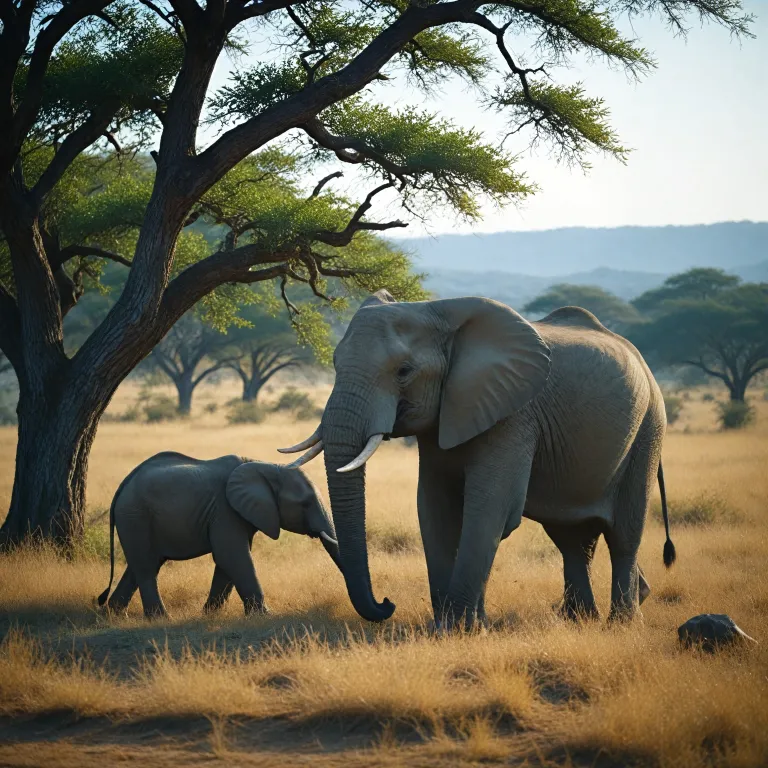
Off the beaten path safaris are renowned for intimate wildlife viewing, offering encounters with species rarely seen in busier national parks. In the remote corners of Zimbabwe and Botswana, game reserves provide sanctuary for elusive wild dogs, whose complex social behaviors captivate observers. A day spent tracking these remarkable animals with local guides reveals the intricate dynamics of African wildlife.
The Okavango Delta’s labyrinth of waterways is a haven for elephants, hippos, and crocodiles. Here, a river safari at dawn or dusk unveils scenes of elephants bathing and giraffes zebras grazing along the banks. The Victoria Falls region, straddling Zimbabwe and Zambia, offers a unique blend of adventure and wildlife. A walking day along the beaten path near the falls introduces you to the smaller wonders of the bush, from vibrant birdlife to secretive antelope.
Each safari experience is shaped by the expertise of local guides and the rhythm of the land. Whether you’re exploring the vastness of Tanzania’s national parks or the secluded game reserves of Botswana, every path safari promises new discoveries. The diversity of wildlife, from the mighty elephants to the agile wild dogs, ensures that no two days are ever the same. For those seeking a deeper connection with Africa’s wild heart, off the beaten path safaris deliver unforgettable moments and lasting memories. For more inspiration on unique wildlife adventures, explore our guide to Africa’s lesser-known safari destinations.
Immersive cultural journeys: connecting with local communities
Beyond wildlife, off the beaten path safaris offer rich opportunities for cultural immersion. Engaging with local communities in Tanzania, Botswana, and Zimbabwe adds depth to your safari experience. Local guides act as cultural ambassadors, introducing travelers to traditions, crafts, and daily life in the villages bordering national parks and reserves.
In Arusha, Tanzania, a walking day through nearby communities reveals the close relationship between people and wildlife. Participating in traditional ceremonies or learning about sustainable farming practices provides insight into the challenges and triumphs of rural life. These interactions foster mutual respect and understanding, reinforcing the importance of conservation and responsible tourism.
Many safari lodges and operators, such as Off the Beaten Path Safaris, prioritize partnerships with local artisans and conservation organizations. This collaborative approach ensures that tourism revenue supports education, healthcare, and environmental initiatives. As you journey along the beaten path, you will witness firsthand how cultural exchange enriches both visitors and hosts. To learn more about responsible travel and supporting local communities, visit our article on community-based safari experiences.
Planning your off the beaten path safari: practical tips and considerations
Preparation is key to maximizing your safari experience. Research the best time to visit each region for optimal wildlife viewing—dry seasons often yield the most rewarding game drives, while wet seasons transform landscapes and attract migratory birds. Packing appropriate clothing for varying climates and activities ensures comfort throughout your trip, whether you’re on a walking day in the bush or a river safari in the Okavango Delta.
Health and safety are paramount. Ensure vaccinations and health precautions are up to date before embarking on your path African adventure. Respect local customs and wildlife guidelines to minimize your impact and enhance your interactions with both people and animals. Many operators provide detailed terms conditions, outlining what to expect each day and how to prepare for unique activities such as mokoro excursions or night game drives.
Choosing reputable safari lodges and experienced local guides is essential for a seamless journey. Operators like Rothschild Safaris and Offbeat Safaris emphasize personalized itineraries, ensuring each day is tailored to your interests and abilities.
Conservation and sustainability: the impact of off the beaten path safaris
Off the beaten path safaris play a vital role in conservation and sustainable tourism across Africa. By venturing into lesser-known national parks and reserves, travelers help distribute tourism revenue more evenly, supporting conservation efforts and local economies. As one expert notes, "By visiting lesser-known areas, these safaris help distribute tourism revenue more evenly, supporting conservation efforts and local communities."
Operators prioritize eco-friendly practices, from minimizing vehicle emissions to supporting community-based tourism initiatives. In Tanzania’s Selous Game Reserve and Botswana’s Okavango Delta, partnerships with local communities ensure that wildlife viewing and game drives benefit both nature and people. The presence of travelers in these remote areas acts as a deterrent to poaching and illegal activities, further safeguarding Africa’s biodiversity.
Education and awareness are integral to the safari experience. Local guides share knowledge about the delicate ecosystems and the challenges facing wildlife, inspiring visitors to become advocates for conservation. Each day spent on a path safari reinforces the interconnectedness of people, wildlife, and the environment, leaving a lasting impact on both travelers and the destinations they explore.
Unique safari activities: walking, boating, and beyond
Off the beaten path safaris are defined by their diversity of activities, offering more than traditional game drives. Walking safaris, led by expert local guides, provide an intimate perspective on the bush, revealing tracks, plants, and behaviors often missed from a vehicle. A walking day in a remote game reserve immerses you in the sights, sounds, and scents of the African wilderness.
Boat safaris in the Okavango Delta or along the river near Victoria Falls offer a tranquil yet thrilling way to observe wildlife. Gliding silently in a mokoro, you will encounter elephants, hippos, and a myriad of bird species. Night drives and cultural excursions add further depth to your safari experience, allowing you to witness nocturnal animals and engage with local traditions.
Safari lodges in national parks and reserves provide comfortable bases for exploration, often incorporating sustainable design and community partnerships. Each day brings new opportunities for adventure, from tracking wild dogs to observing giraffes zebras at a watering hole. Off the beaten path safaris redefine the African safari, blending adventure, conservation, and cultural discovery into an unforgettable journey.
Key statistics on off the beaten path safaris in Africa
- Selous Game Reserve in Tanzania covers 55,000 square kilometers, making it one of Africa’s largest protected areas.
- Kidepo Valley National Park in Uganda is home to 80 mammal species, offering exceptional wildlife viewing opportunities.
Frequently asked questions about off the beaten path safaris
What are the benefits of choosing an off-the-beaten-path safari?
These safaris offer more intimate wildlife encounters, fewer tourists, and the opportunity to explore untouched natural habitats.
Are off-the-beaten-path safaris suitable for families?
Yes, many operators offer family-friendly itineraries with activities tailored to various age groups.
How do off-the-beaten-path safaris contribute to conservation?
By visiting lesser-known areas, these safaris help distribute tourism revenue more evenly, supporting conservation efforts and local communities.