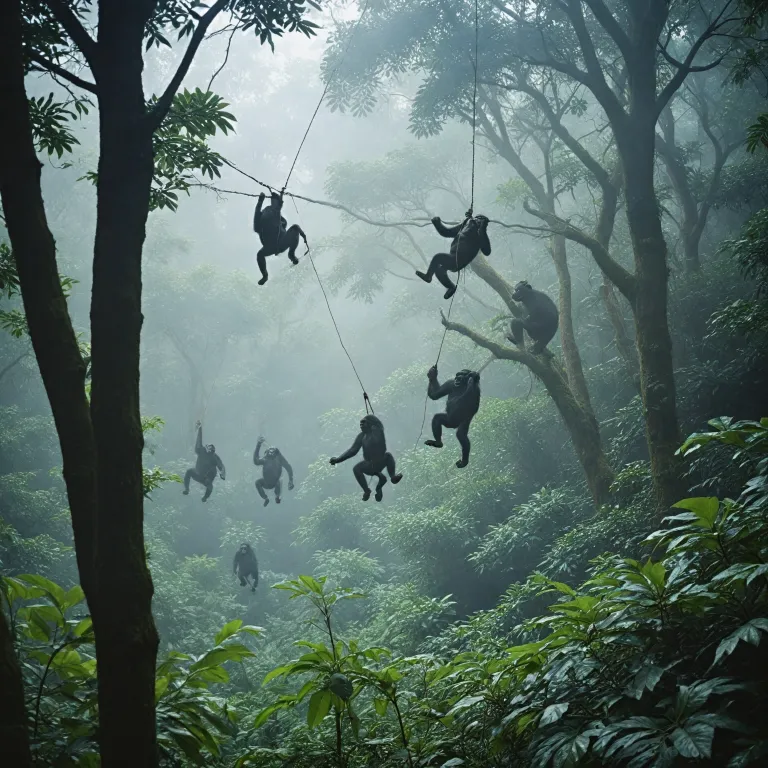
Understanding the essentials of chimpanzee trekking in Uganda
Uganda stands as a premier destination for wildlife enthusiasts eager to experience chimpanzee trekking. The country’s national parks, including Kibale National Park, Kyambura Gorge, and Queen Elizabeth National Park, offer exceptional opportunities to observe chimps in their natural habitat. Trekking through these lush forests, visitors are immersed in the sights and sounds of Uganda’s rich biodiversity, encountering not only chimpanzees but also a variety of other wildlife species. The Uganda Wildlife Authority (UWA) oversees conservation efforts and manages the issuance of permits, ensuring that trekking activities support both ecological preservation and local communities.
Preparation is crucial for a successful chimpanzee trekking experience. Permits must be secured well in advance, especially during the dry seasons when demand peaks. Each trek is led by experienced park rangers and guides who provide valuable insights into chimpanzee behavior and the forest ecosystem. The trek itself can be moderately strenuous, requiring a reasonable level of fitness as you navigate uneven terrain and dense vegetation. Wearing long-sleeved shirts, long trousers, and sturdy hiking boots is recommended to protect against insects and the elements.
Beyond the physical preparation, understanding the importance of conservation is vital. Trekking in Uganda not only offers a unique wildlife experience but also contributes to the protection of chimpanzees and their habitats. By participating in responsible tourism, visitors help generate funds for conservation initiatives and support local livelihoods.
Choosing the right park and season for chimpanzee trekking
Uganda boasts several renowned locations for chimpanzee trekking, each offering distinct experiences. Kibale National Park is often considered the best site, with a high success rate of chimpanzee sightings and a large population of habituated chimps. Kyambura Gorge, located within Queen Elizabeth National Park, provides a dramatic landscape for tracking chimpanzees, while Budongo Forest offers a quieter, less crowded alternative. Each park presents unique opportunities to observe wildlife, including gorillas, birds, and other primates, enriching your safari adventure.
The timing of your trek plays a significant role in your overall experience. Dry seasons, typically from June to September and December to February, are ideal for trekking as trails are less muddy and sightings are more frequent. However, chimpanzee trekking is available year-round, and the rainy season can offer lush scenery and fewer crowds. Permits for chimpanzee trekking and gorilla trekking should be booked several months in advance, particularly for peak periods. The Uganda Wildlife Authority provides up-to-date information on permit availability and park regulations.
When planning your trek, consider the physical demands and the type of experience you seek. Some parks, like Kibale National Park, offer the Chimpanzee Habituation Experience (CHEX), allowing visitors to spend extended time observing chimps as they go about their daily routines. For those interested in combining chimpanzee and gorilla trekking, Bwindi Impenetrable National Park is a must-visit destination. For more insights on the best times and locations for trekking, consult this Uganda national parks overview.
Preparing for your trek: permits, gear, and health precautions
Securing a permit is the first step in planning your Uganda chimpanzee trekking adventure. Permits are limited to minimize the impact on wildlife and must be obtained through the Uganda Wildlife Authority or authorized tour operators. The cost of a chimpanzee trekking permit in Kibale National Park is approximately 200 USD, and prices may vary by location. Early booking is essential, especially during the high season, to ensure availability for your preferred dates.
Proper gear enhances your comfort and safety during the trek. Essential items include long-sleeved shirts, long trousers, waterproof hiking boots, a lightweight rain jacket, insect repellent, sunscreen, and sufficient drinking water. Binoculars and cameras (without flash) are recommended for observing and photographing chimpanzees and other wildlife. Hiring a local porter can be invaluable, as they assist with carrying gear and navigating challenging terrain, while also supporting local communities.
Health precautions are important when trekking in Uganda’s forests. Vaccinations against yellow fever and malaria prophylaxis are advised; consult a travel health specialist before your trip. The minimum age for chimpanzee trekking is typically 12 years old, and a moderate level of fitness is required due to the sometimes steep and uneven trails. For more information on health and safety, visit this Uganda travel health resource.
What to expect during the chimpanzee trekking experience
The day of your trek begins early, with a briefing from park rangers on safety protocols and chimpanzee behavior. Groups are kept small to minimize disturbance to the chimps and to enhance the quality of the experience. Guided by knowledgeable rangers, you will trek through the forest, listening for the calls of chimpanzees and observing signs of their presence, such as nests and feeding sites. The anticipation builds as you approach the chimpanzee group, often after one to two hours of trekking.
Once the chimps are located, visitors are allowed to spend up to one hour observing them from a safe distance. This time offers a rare glimpse into the social dynamics, grooming rituals, and playful interactions of chimpanzees in their natural environment. The experience is both exhilarating and humbling, deepening your appreciation for Uganda’s wildlife and the importance of conservation. Flash photography is strictly prohibited to avoid disturbing the animals.
In addition to chimpanzees, the forests of Uganda are home to a diverse array of wildlife, including monkeys, birds, and butterflies. The trek itself is an adventure, with the sights and sounds of the forest creating a truly immersive safari experience. For those seeking a deeper connection, the Chimpanzee Habituation Experience allows for extended observation and learning alongside researchers and guides.
Conservation impact and community involvement in chimpanzee trekking
Chimpanzee trekking in Uganda plays a vital role in wildlife conservation and community development. Revenue generated from trekking permits supports the protection of chimpanzees and their habitats, funding anti-poaching efforts and research initiatives. The Uganda Wildlife Authority collaborates with local communities and conservation organizations to promote sustainable tourism practices and ensure that benefits are shared equitably.
Community-based tourism initiatives have become increasingly important, providing employment opportunities and fostering a sense of stewardship among local residents. Hiring local porters, purchasing crafts, and participating in cultural experiences contribute directly to the well-being of communities surrounding the national parks. This partnership between conservation and community development is essential for the long-term survival of Uganda’s chimpanzees and other wildlife.
Education and awareness are central to the trekking experience. Park rangers and guides share their expertise on primate behavior, forest ecology, and the challenges facing wildlife conservation. By engaging visitors in these discussions, Uganda’s national parks inspire a deeper commitment to protecting the country’s natural heritage for future generations.
Maximizing your safari: combining chimpanzee, gorilla, and wildlife experiences
Uganda offers a wealth of opportunities for travelers seeking a comprehensive safari adventure. In addition to chimpanzee trekking, the country is renowned for gorilla trekking in Bwindi Impenetrable National Park and Mgahinga Gorilla National Park. Combining these experiences allows visitors to observe both gorillas and chimpanzees, two of the world’s most fascinating primates, in their natural habitats. Trekking in Uganda’s national parks also provides the chance to encounter elephants, lions, and a variety of bird species, making each day unique and memorable.
Planning a multi-park itinerary requires careful coordination of permits, accommodations, and transportation. Many tour operators offer customized packages that include chimpanzee trekking, gorilla trekking, and traditional wildlife safaris. This approach maximizes your time in Uganda and ensures a diverse and enriching experience. The Uganda Wildlife Authority and local guides are invaluable resources for organizing logistics and providing expert advice on the best routes and activities.
For those with a passion for photography or wildlife observation, Uganda’s forests and savannahs offer endless opportunities. The combination of chimpanzee tracking, gorilla trekking, and classic safari drives creates a well-rounded adventure that highlights the country’s extraordinary biodiversity. Whether you are a seasoned traveler or embarking on your first safari, Uganda’s national parks promise unforgettable moments and lasting memories.
Expert guidance: tips from rangers and real trekkers
Experienced park rangers and guides are the cornerstone of a safe and rewarding chimpanzee trekking experience. Their knowledge of the forest, wildlife behavior, and tracking techniques ensures that each trek is both educational and enjoyable. As one expert notes, "The minimum age for chimpanzee trekking in Uganda is typically 12 years old." This guideline helps protect both visitors and the chimpanzees, maintaining a respectful and safe environment for all.
Another important consideration is the physical challenge of trekking. "Trekking can be moderately strenuous, involving hikes through uneven and sometimes steep terrain. A reasonable level of fitness is recommended." Preparing physically and mentally for the trek enhances your enjoyment and reduces the risk of injury. Health precautions are also essential: "It's advisable to be vaccinated against yellow fever and take precautions against malaria. Consult with a travel health specialist before your trip." These expert tips ensure that you are well-prepared for the adventure ahead.
Finally, respecting the rules of the park is crucial for the safety of both visitors and wildlife. "No, flash photography is prohibited as it can disturb the chimpanzees." By following these guidelines and listening to your guides, you contribute to the conservation of Uganda’s precious wildlife and help preserve the magic of chimpanzee trekking for future generations.
Key statistics on chimpanzee trekking in Uganda
- Success rate of chimpanzee sightings in Kibale National Park: 90%.
- Cost of chimpanzee trekking permit in Kibale National Park: 200 USD.
- Number of habituated chimpanzees in Kibale National Park: 1,500 individuals.
Frequently asked questions about chimpanzee trekking in Uganda
What is the minimum age requirement for chimpanzee trekking in Uganda?
The minimum age for chimpanzee trekking in Uganda is typically 12 years old.
How physically demanding is chimpanzee trekking?
Trekking can be moderately strenuous, involving hikes through uneven and sometimes steep terrain. A reasonable level of fitness is recommended.
Are there any health precautions to consider before trekking?
It's advisable to be vaccinated against yellow fever and take precautions against malaria. Consult with a travel health specialist before your trip.
Trusted sources: Uganda Wildlife Authority, Illumelation, Uganda Gorilla Trekking