Understanding the African savannah: ecosystem and wildlife diversity
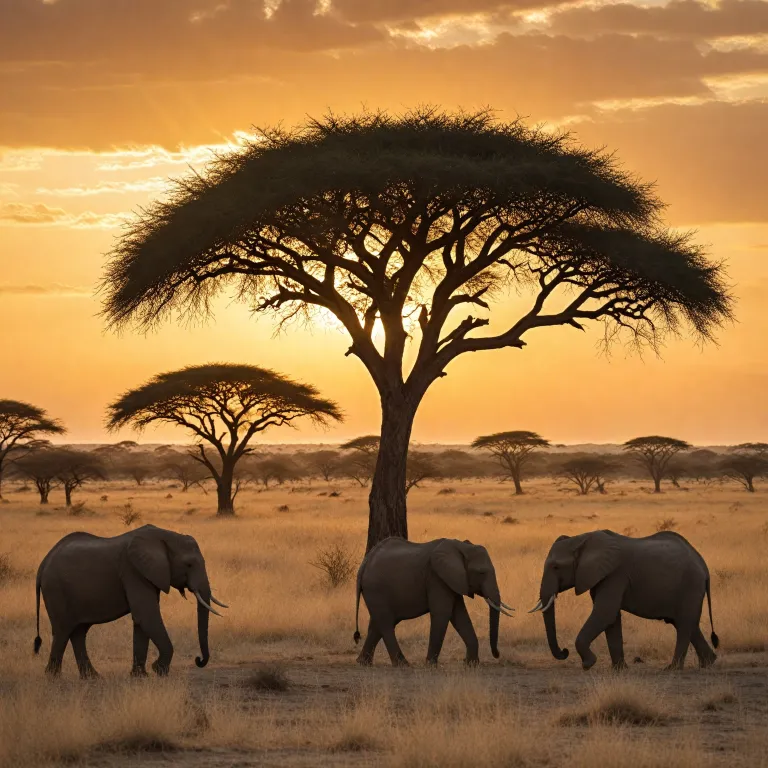
The African savannah stands as one of the world’s most iconic landscapes, stretching across vast regions and supporting an extraordinary range of wildlife. This ecosystem is defined by its open grasslands, scattered acacia trees, and seasonal water sources, creating a unique environment for both predators and prey. Safari and wildlife adventures in the savannah offer unparalleled opportunities to observe animals such as lions, elephants, giraffes, and zebras in their natural habitats. The diversity of species found here is a testament to the delicate balance maintained by the ecosystem. Conservation efforts are crucial, as the savannah faces threats from climate change and human encroachment. Travelers seeking safari and wildlife adventures will find the African savannah both captivating and educational, with each visit revealing new insights into animal behavior and ecological relationships. Understanding the rhythms of the savannah, from the migration of wildebeest to the territorial displays of big cats, enriches every safari experience.
Planning your safari: choosing the right destination and season
Selecting the ideal location for safari and wildlife adventures requires careful consideration of the region’s climate, wildlife concentrations, and accessibility. The African savannah spans countries such as Kenya, Tanzania, Botswana, and South Africa, each offering distinct safari experiences. For example, the Serengeti and Maasai Mara are renowned for the Great Migration, while the Okavango Delta provides exceptional opportunities for observing aquatic species. Timing is equally important; the dry season often yields the best wildlife viewing as animals gather around limited water sources. When planning safari and wildlife adventures, travelers should also consider ethical travel practices. For those interested in responsible tourism, ethical wildlife tourism safaris offer guidance on minimizing environmental impact and supporting local communities. By aligning travel plans with conservation principles, visitors contribute to the long-term preservation of the savannah’s remarkable biodiversity.
Wildlife encounters: observing the big five and beyond
Safari and wildlife adventures in the African savannah are synonymous with sightings of the Big Five: lion, leopard, elephant, buffalo, and rhinoceros. These iconic animals captivate travelers with their power and grace, yet the savannah is home to countless other fascinating species. Birdwatchers will delight in the presence of vibrant bee-eaters, secretary birds, and ostriches, while reptile enthusiasts may spot Nile crocodiles basking along riverbanks. The thrill of encountering rare or elusive animals adds a layer of excitement to every safari. For those seeking extraordinary sightings, unveiling Africa’s rare animal sightings provides insights into where and when to witness unique wildlife moments. Guides play a pivotal role in interpreting animal behavior and ensuring safe, respectful encounters. Every safari and wildlife adventure is shaped by the unpredictability of nature, making each journey distinct and memorable.
Conservation and community: the role of responsible safari tourism
Responsible safari and wildlife adventures extend beyond personal enjoyment, encompassing a commitment to conservation and community empowerment. Many safari operators collaborate with local communities to protect wildlife habitats and promote sustainable livelihoods. These partnerships foster a sense of stewardship and ensure that tourism benefits both people and nature. Conservation initiatives often focus on anti-poaching efforts, habitat restoration, and environmental education. Travelers can support these goals by choosing operators with transparent conservation policies and by participating in community-based tourism projects. The African savannah’s future depends on the collective efforts of governments, NGOs, and visitors. By prioritizing ethical practices, safari and wildlife adventures become a force for positive change, preserving the region’s natural and cultural heritage for generations to come.
Practical tips for an enriching safari experience
Preparation is key to maximizing the enjoyment and safety of safari and wildlife adventures. Packing lightweight, neutral-colored clothing helps travelers blend into the environment and stay comfortable in varying temperatures. Binoculars and cameras are essential for capturing distant wildlife moments, while a field guide enhances understanding of animal tracks and behaviors. Health precautions, such as vaccinations and malaria prophylaxis, should be addressed well in advance. Respect for wildlife is paramount; maintaining a safe distance and minimizing noise ensures animals remain undisturbed. Travelers should also familiarize themselves with local customs and regulations to foster positive interactions with guides and community members. For those interested in expanding their horizons, an immersive journey with elephant safari experiences in Sri Lanka’s national parks offers a unique perspective on wildlife tourism. Thoughtful preparation transforms safari and wildlife adventures into meaningful, life-enriching journeys.
Photography and storytelling: capturing the essence of the savannah
Photography is an integral part of safari and wildlife adventures, allowing travelers to document the beauty and drama of the African savannah. The interplay of light and landscape creates striking compositions, from golden sunrises to dramatic thunderstorms. Capturing animal behavior requires patience, quick reflexes, and an understanding of wildlife movements. Storytelling through images and words enables travelers to share their experiences and raise awareness about conservation challenges. Ethical photography practices, such as avoiding disturbance to animals and respecting local communities, are essential. Many safari operators offer specialized photography tours, providing guidance on technique and composition. By honing their skills, travelers can create compelling visual narratives that inspire others to appreciate and protect the savannah’s wonders. Every photograph becomes a testament to the enduring allure of safari and wildlife adventures.
Key statistics on safari and wildlife adventures in the African savannah
- No dataset provided for statistics.
Frequently asked questions about safari and wildlife adventures
No dataset provided for FAQs.