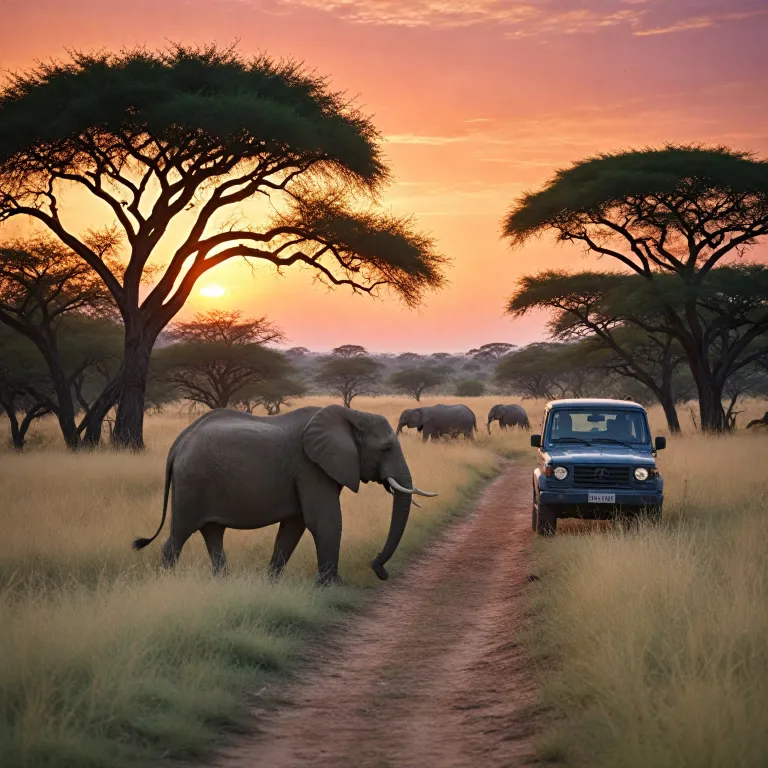
Understanding safari booking: navigating the essentials for a memorable wildlife journey
Embarking on an African safari is a dream for many, yet the process of safari booking can be complex. The first step in safari planning is to define your priorities: do you want to witness the great migration in the Serengeti, explore the vast landscapes of Kruger National Park, or seek the elusive gorilla trekking experience in the forests of Africa? Each destination offers unique wildlife encounters, from the iconic Maasai Mara to the tranquil waters of Lake Manyara. The best time for your safari depends on the animals you wish to see and the national park you choose. Dry seasons often provide optimal game drive opportunities, while the green season reveals lush scenery and fewer crowds. Engaging a travel specialist or consulting a comprehensive guide can help you find the best safari options tailored to your interests and budget. Safari cost varies widely, with budget safaris offering group experiences and private game drives providing exclusivity. Early booking, ideally 12-18 months in advance, ensures access to preferred dates and accommodations, especially during peak periods in South Africa and Tanzania. Remember, African safaris are not just about wildlife; cultural interactions with local communities, such as the Maasai, enrich your journey. Thorough research and careful planning will maximize your experience and ensure your safari adventure becomes a cherished addition to your bucket list.
Choosing the right destination: from Serengeti to Kruger national park
Selecting the ideal location is a cornerstone of safari booking tips and tricks. Africa offers a tapestry of national parks and reserves, each with distinct ecosystems and wildlife. The Serengeti is renowned for its great migration, where millions of animals traverse the plains in search of fresh grazing. Kruger National Park in South Africa provides diverse habitats and is celebrated for its accessibility and range of safari options. Lake Manyara and the Ngorongoro Crater are exceptional for birdlife and concentrated animal sightings. When planning your safari, consider the best time to visit each park. For instance, the dry season in the Maasai Mara aligns with the migration, while the green season in southern Africa brings vibrant landscapes and newborn animals. Consulting a travel specialist can help you navigate these choices, ensuring your safari aligns with your wildlife interests and travel preferences. For those seeking more exclusive experiences, private game reserves offer tailored game drives and intimate wildlife encounters. Budget safaris, on the other hand, provide group adventures without compromising the thrill of seeing Africa’s iconic animals. For more in-depth guidance on planning your African adventure, explore our comprehensive safari planning guide for expert travel tips and insights.
Timing your adventure: how to find the best time for African safaris
Timing is a critical factor in safari booking, directly influencing wildlife sightings and overall experience. The best time for African safaris typically coincides with the dry season, when animals congregate around water sources, making game drives especially rewarding. However, the green season offers its own allure, with lush vegetation, dramatic skies, and fewer tourists. This period is ideal for photographers and those seeking tranquility. Safari planning should account for regional variations; for example, the great migration in the Serengeti peaks at different months compared to the Maasai Mara. National parks such as Kruger and Lake Manyara also have unique wildlife cycles. Consulting a travel specialist or using a reliable guide can help you pinpoint the optimal period for your chosen destination. Flexibility with travel dates can unlock discounts and last-minute deals, making your safari cost-effective. For those interested in gorilla trekking, permits are limited and should be secured well in advance. For a detailed breakdown of seasonal highlights and travel tips, visit our best time to visit Africa resource to ensure your safari booking aligns with your expectations.
Budgeting and value: understanding safari cost and maximizing your investment
Safari cost is influenced by several factors, including destination, duration, level of comfort, and time of year. On average, a mid-range safari in Africa costs around 350 USD per person per day, with luxury and private game experiences commanding higher rates. Budget safaris offer group travel and shared accommodations, making wildlife adventures accessible without sacrificing quality. When planning your safari, consider the inclusions: some packages cover park fees, meals, and game drives, while others require additional expenses. Engaging a travel specialist can help you compare options and find the best value. Travel insurance is essential, protecting your investment against unforeseen events. Flexible travel dates can yield significant savings, especially during shoulder seasons. Don’t overlook the value of local guides, whose expertise enhances your understanding of the animals and ecosystems. For those seeking unique experiences, gorilla trekking and visits to the Ngorongoro Crater may require additional permits and planning.
Expert safari booking tips and tricks: planning, packing, and safety essentials
Effective safari planning goes beyond booking flights and accommodations. Start by researching destinations and operators online, reading reviews, and consulting with travel agents or safari specialists. Packing is crucial: bring light, neutral-colored clothing, binoculars, a camera, and sun protection. Weather conditions in Africa can vary, so prepare for both warm days and cool nights. Vaccinations and travel insurance are non-negotiable; consult a healthcare provider for recommendations based on your chosen national park. Engage with local guides for deeper wildlife insights and cultural understanding. Respect local customs and follow wildlife guidelines to ensure a safe and responsible safari. As one expert notes, “Pack light, neutral-colored clothing, binoculars, a camera, sun protection, and any necessary medications. Check with your safari operator for specific recommendations.” This advice underscores the importance of preparation for a seamless experience. Don’t forget to include essentials for gorilla trekking or extended game drives. By following these safari booking tips and tricks, you’ll be well-equipped for a memorable African adventure.
Enhancing your experience: private game drives, cultural encounters, and conservation impact
Beyond wildlife viewing, African safaris offer opportunities for cultural immersion and conservation support. Private game drives provide personalized experiences, allowing you to focus on specific animals or landscapes. Interactions with local communities, such as the Maasai, add depth to your journey and foster mutual understanding. Many national parks and reserves in Africa are at the forefront of conservation, with eco-tourism directly benefiting wildlife protection and local economies. When booking your safari, consider operators committed to sustainable practices. Engaging with local guides not only enriches your experience but also supports community livelihoods. Gorilla trekking in Uganda or Rwanda, for example, contributes to the preservation of endangered species. Adding these elements to your safari planning ensures your adventure leaves a positive legacy. Don’t underestimate the value of travel tips from seasoned travelers and experts; their insights can help you avoid common pitfalls and make the most of your time in Africa. Whether your goal is to tick off a bucket list experience or deepen your connection with nature, thoughtful safari booking and planning will yield lasting rewards.
Key safari booking statistics
- Average cost of a mid-range safari per person per day: 350 USD
- Percentage of safari bookings made during the dry season: 70%
- Average lead time for booking a safari in advance: 12 months
Frequently asked questions about safari booking tips and tricks
What is the best time of year to go on a safari?
The best time depends on your preferences: the dry season (May to October) offers better wildlife viewing, while the green season (November to April) provides lush landscapes and fewer tourists.
How far in advance should I book a safari?
It's recommended to book 12-18 months in advance, especially for peak seasons, to secure preferred accommodations and dates.
What should I pack for a safari?
Pack light, neutral-colored clothing, binoculars, a camera, sun protection, and any necessary medications. Check with your safari operator for specific recommendations.